
Reviewed · PRAGUE COMMUNISM HISTORY TOURS
Prague: 3–Hour Communism and World War 2 E-Bike Tour
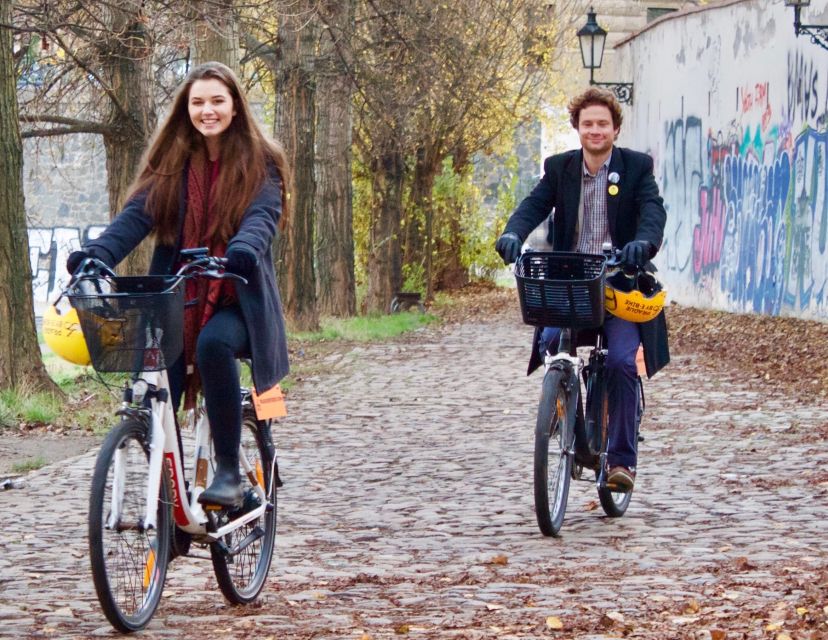
Prague’s modern history comes sharply into focus on this 3.5-hour e-bike tour, which links Nazi occupation, Communist rule, Jewish Prague, and the 1989 Velvet Revolution. I like the sheer range: you cover more than 30 sites, then get time at the Museum of Communism. I also like the small groups, limited to 10 people, and the help of guides such as Michal, Marek, Niam, and Tatiana, who explain the past in clear, engaging English.
The main drawback is the riding itself. Much of Prague is paved with cobblestones, and crowded areas may require you to walk the bike. The bikes have worked well for most people, but some are older, and this is not a smooth, dedicated cycle path tour.
Key points before you book
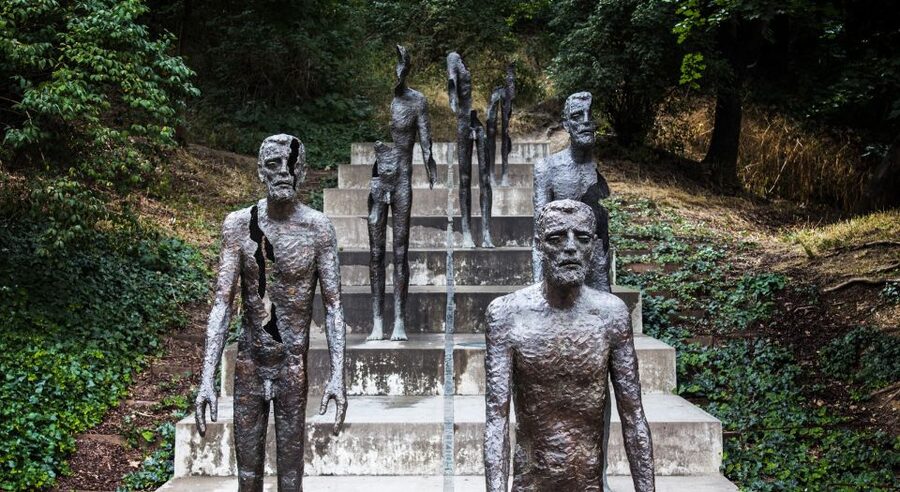
- Thirty-plus history stops: See the Victims of Communism memorial, John Lennon Wall, Kafka Museum, Jewish Old Town, former SS Headquarters, resistance sites, and bombing locations.
- The Velvet Revolution comes alive: Follow the route tied to the student march that helped spark the 1989 uprising against Communist rule.
- A useful Museum of Communism stop: Admission is included, giving you displays, photographs, artwork, and period rooms to study at your own pace.
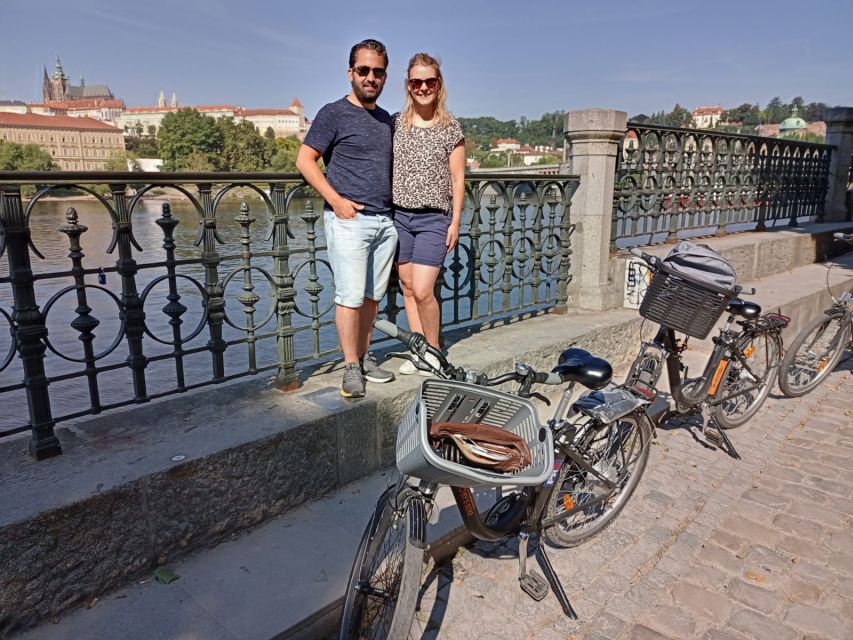
- Electric assistance matters: You can cover a wide part of central Prague without working hard, especially on a warm day or when riding between distant sites.
- Small English-speaking groups: The maximum of 10 makes it easier to ask questions and hear the guide.
- A simple finish: Return to the starting point for a cold beer, with water provided during the ride.
Why this tour gives Prague a sharper edge
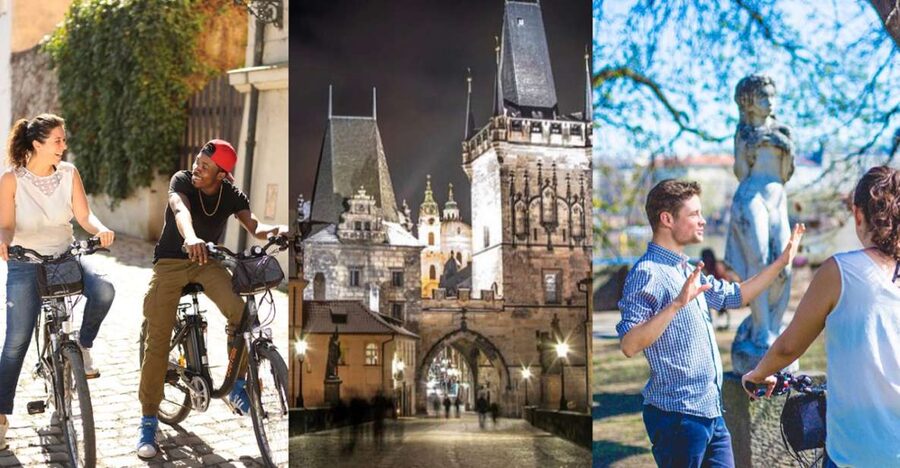
Many first visits to Prague focus on medieval streets, Baroque churches, and the castle. Those sights matter, but they do not explain the city you see today. This tour shifts your attention to the last century, when Prague lived through Nazi occupation, the Second World War, Soviet influence, censorship, public protest, and the fall of Communist rule.
I like the way the electric bike connects these subjects. You do not spend the whole morning in one lecture room. Instead, you move from a memorial to a former government site, from the Jewish Old Town to a church tied to wartime resistance. Each stop gives the next one more meaning.
The pace also lets you see parts of central Prague that would take longer on foot. The tradeoff is that a bike is not always elegant on old streets. You may ride over uneven cobbles, stop often, or walk the bike through crowded parts of town. Think of the e-bike as a practical tool for covering ground, not as a quiet countryside cycling trip.
More communism history tours in Prague:
- Prague: Communism History and Nuclear Bunker Guided Tour
★ 4.7 · 2,417 reviews - Prague Communism History and Nuclear Bunker Tour
★ 5.0 · 1,742 reviews - Communism & Nuclear Bunker Tour + 70s Canteen Lunch (own expense)
★ 5.0 · 1,036 reviews
Meeting at Újezd in Malá Strana
The tour begins at Prague by E-Bike, Besední 440/2, in Prague 1, close to the Újezd tram station. Arrive 15 minutes early. You need a passport or ID card, so do not leave it at your hotel.
The meeting point is useful for a central Prague itinerary. Malá Strana puts you near the river, the castle side of town, and several important sites. The activity ends back at the same place, which makes it easy to plan lunch or another visit afterward.
The group limit is 10. That is small enough for a guide to manage on city streets and for you to ask questions without having to call across a large crowd. It also matters when the group has to stop and walk the bikes.
Helmets are provided, and a poncho is available if requested. You also receive a bottle of water. Wear clothes you can move in and shoes that are comfortable for both riding and walking.
Old Town, Jewish Prague, and the marks of war
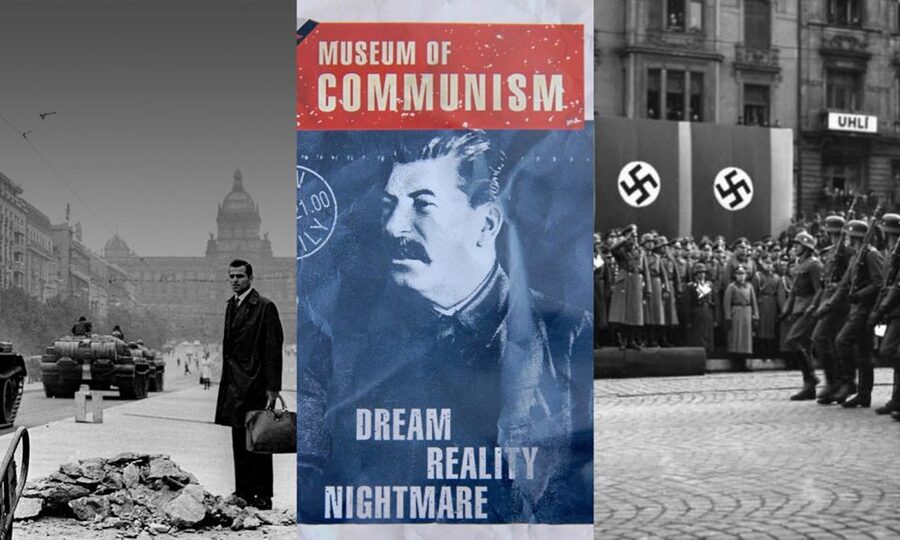
The route includes Prague’s Old Town and the Jewish Old Town, two areas where the city’s older beauty can easily distract you from its darker past. Here, the guide places the Second World War and Nazi occupation into the streets around you.
The Jewish Old Town is an especially important part of the route. Its presence helps connect the city’s architecture with the destruction and persecution carried out under Nazi rule. The tour does not treat Prague as a collection of pretty views. It asks you to notice how political power shaped the people who lived here.
You also visit locations connected with Nazi administration, including the former SS Headquarters. That kind of stop is valuable because it moves the subject beyond battles and dates. You are looking at places where occupation was organized and enforced.
The route also includes Second World War bombing locations. These stops may appeal to you if you want to see how the war affected Prague itself, rather than hearing only about events elsewhere in Europe.
Cyril and Methodius Church and the resistance story
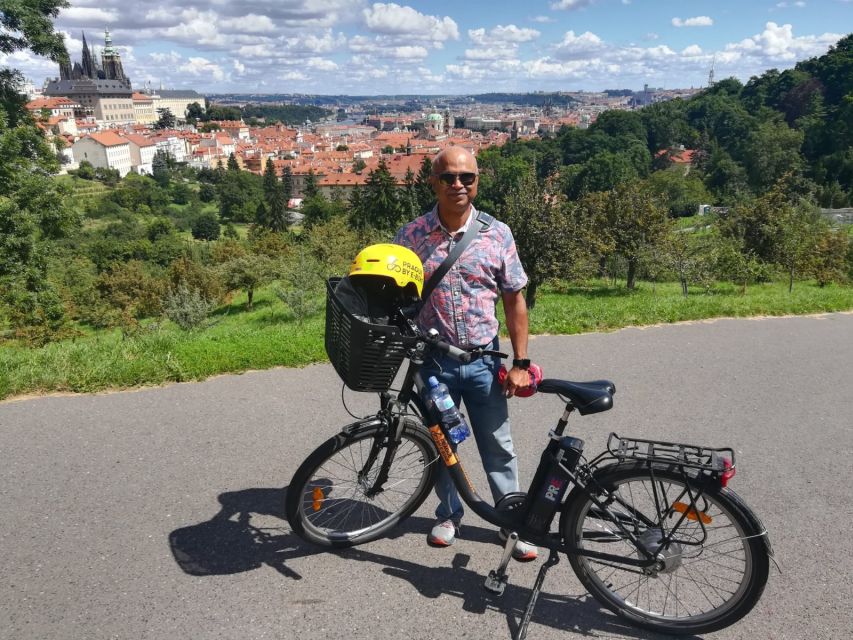
One of the tour’s strongest wartime stops is the Cyril and Methodius Church. It was used as a filming location for the 2016 war film Anthropoid, and the site is tied to anti-Nazi resistance.
The church gives the wartime section a human scale. Instead of only discussing occupation as government policy, the guide can point to a place linked with resistance and personal risk. This is one of the moments when the tour’s subject becomes easier to picture.
The experience does not promise an interior visit to every site, so you should think of this as a guided city route rather than a series of long museum visits. Its value comes from seeing the locations in relation to one another and hearing the story while standing in the city where it happened.
More World War II tours in Prague:
- Prague: WWII Guided Tour & The Crypt of Operation Anthropoid
★ 4.7 · 1,030 reviews - WWII in Prague Tour & The Crypt of Operation Anthropoid
★ 5.0 · 817 reviews - Small-Group World War 2 & Operation Anthropoid Tour in Prague
★ 5.0 · 231 reviews - Prague: World War 2 and Operation Anthropoid Walking Tour
★ 4.8 · 193 reviews
The Communist Memorial and life behind the slogans
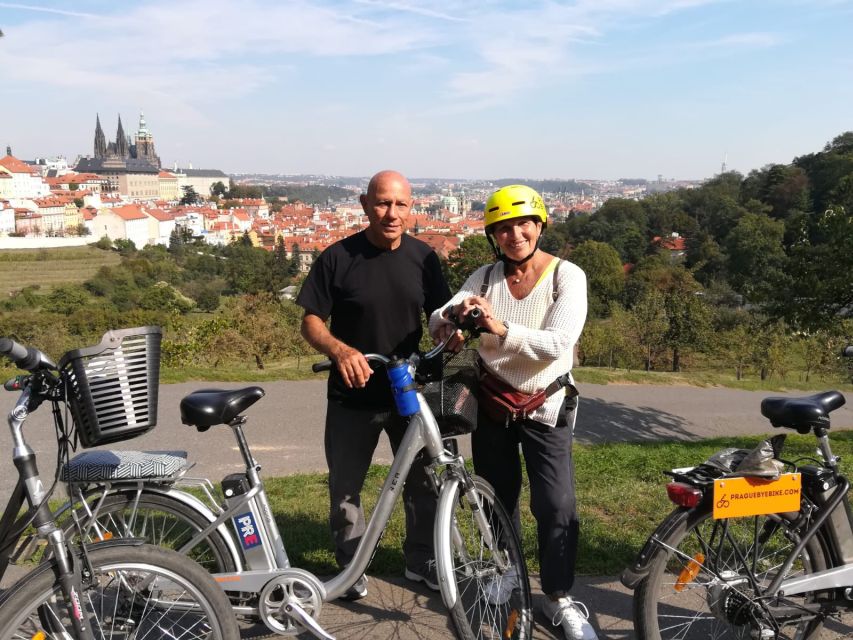
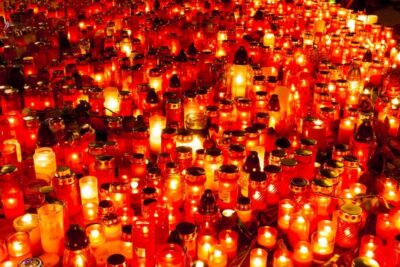
The Victims of Communism memorial is one of the clearest visual reminders of the period after the war. It gives the tour a public, physical place to discuss repression, fear, and the human cost of the Communist regime.
The wider story includes how Soviet influence took hold after the Nazis were defeated and how everyday life changed under Communist rule. The guides have covered subjects such as the way Communists and Soviets gained control of the country, as well as the effect on ordinary residents.
This is where the quality of the guide matters most. Niam, Marek, Michal, Nayeem, Tatiana, Tatyana, and Michelle have each been praised for clear English, strong subject knowledge, friendliness, or an engaging way of telling the story. Your guide will determine how much attention goes to political events, daily life, or Prague’s wider history.
One important caution: the tour’s Communist section may focus more on the Velvet Revolution and the fall of the regime than on a broad survey of Communist-era architecture or domestic life. If you want a long, detailed study of housing, shops, schools, and ordinary routines under Communism, you may need an additional museum visit or walking tour.
The student march and the Velvet Revolution
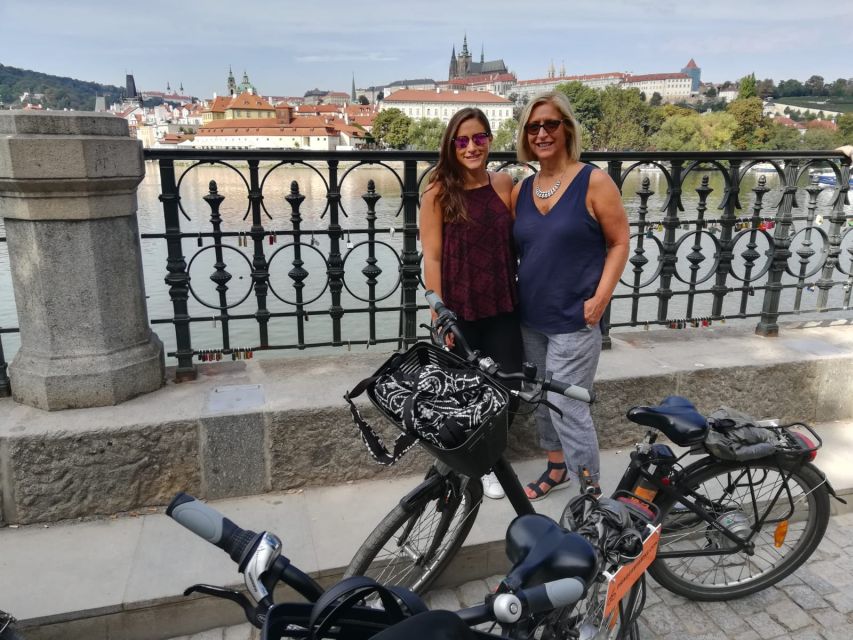
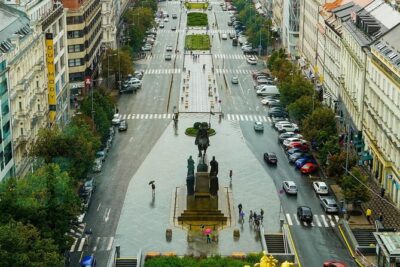
The route follows the footprints of the student march that helped spark the Velvet Revolution. This is one of the most useful parts of the tour because it turns a major political change into a route through the city.
The Velvet Revolution led to the collapse of Communist rule in Czechoslovakia. Standing along the route gives you a better sense of how public protest can spread through familiar streets, universities, squares, and civic spaces.
The bike helps here because the story is not confined to one monument. You travel between related locations in a short time, then stop for explanations. The guide may also add general stories about Prague and its residents if you ask, which is useful if you want the tour to go beyond a strict list of political events.
John Lennon Wall and Kafka Museum
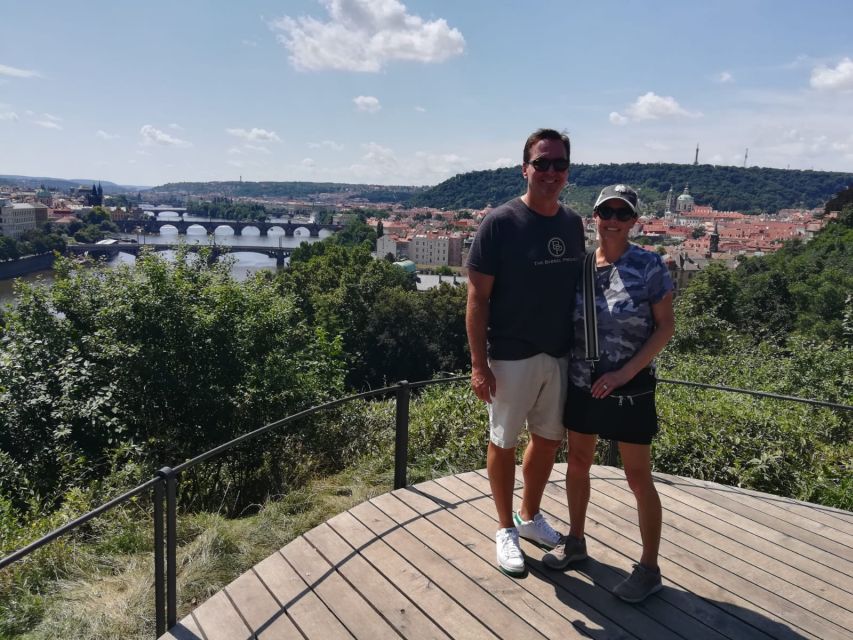
The John Lennon Wall adds a different tone. Its painted messages and changing artwork represent a form of public expression that contrasts sharply with the restrictions discussed elsewhere on the tour.
The stop works best as part of the larger story, not as a separate art visit. After hearing about censorship and political control, a wall covered with words and images becomes more than a colorful photo stop. It shows how public spaces can become places for dissent and memory.
The Kafka Museum is also included among the featured sites. Its place in the route adds a cultural angle to the political history. You may not spend a long time inside, but seeing it helps broaden the tour beyond government buildings, memorials, and protest routes.
The tour covers many sites in a limited time, so expect brief stops at several locations rather than an in-depth visit at each one. That is a fair trade for seeing a large section of central Prague in one outing.
The Museum of Communism as a built-in pause
Admission to the Museum of Communism is included, and this is one of the tour’s best practical features. The museum offers photographs, information, artwork, objects, and rooms arranged to suggest life during the Communist period.
This stop gives you time to absorb the material at your own pace. A guide can explain events in a lively way, but a museum lets you slow down and look closely at images and objects. For many people, that balance makes the tour more useful than a ride made up only of quick outdoor explanations.
The museum can also act as a break from the bike. The precise way the stop is handled may vary, but the ticket allows you to visit it during the experience or use the admission at another time. Check with your guide so you know how much time is planned and whether the guide will remain with the group.
Do not expect a huge collection of rare objects. The museum is described as having a strong reading and visual component, with relatively few exhibits. If you enjoy photographs, political explanation, and period displays, you should find plenty to consider. If you want a large interactive museum, keep your expectations modest.
What riding through Prague is really like
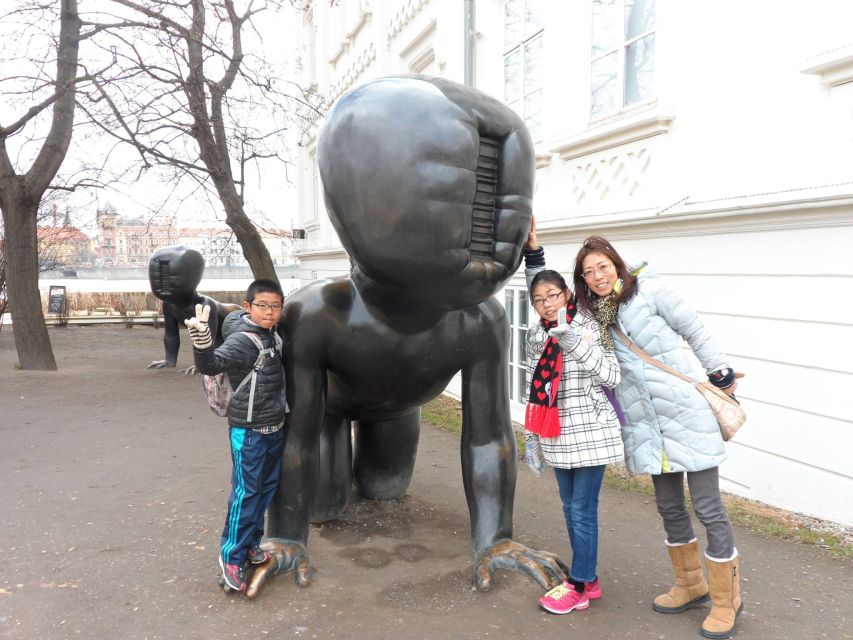
The electric motor is a real advantage. You can cover more ground than on foot and avoid arriving at every stop overheated. One person used the e-bike on a hot day and found it especially helpful, while another described the ride as comfortable and not exhausting.
Still, the bike does not erase Prague’s old streets. Cobblestones can make the ride bumpy, and crowded areas may force you to walk. The bicycles have been described as older but functional, with one minor bike problem solved by offering a replacement.
You should be comfortable balancing and steering a bicycle before booking. The tour is not presented as a technical cycling challenge, but you will share space with the city and deal with ordinary urban interruptions.
The small group helps. Ten people or fewer is easier to keep together than a large cycle convoy, and it gives the guide room to respond to questions. Ask for clarification if the history moves quickly. Guides have been willing to explain Prague’s general past as well as the central themes of war and Communism.
Price, timing, and what you receive
At $74 per person, this is not the cheapest way to see Prague, but the price covers more than bike rental. You receive a 3.5-hour guided route, an English-speaking local guide, an e-bike, helmet, water, admission to the Museum of Communism, and a cold beer at the end.
The value depends on how you use the tour. If you want a fast orientation to modern Prague and would otherwise pay separately for a museum visit and bike rental, the package makes sense. If you mainly want to ride through scenic streets with little commentary, it may not be the best use of your money.
The free beer is a pleasant finish, but it should not be the reason you book. The real value is the combination of transportation and context. You see more than you could comfortably walk to in the same period, while the guide ties the sites together.
Free cancellation up to 24 hours before the start and the option to reserve now and pay later add flexibility. Starting times vary, so check availability when choosing a date.
Who should book this Prague e-bike tour
I would choose this tour if you have three or four days in Prague and want to understand the city beyond its medieval center. It suits first-time visitors who want an orientation, history-minded visitors who prefer outdoor sites, and anyone who finds a full walking tour too tiring.
It also works well for people who want the broad story first, then plan to return to one or two sites in greater detail. The museum ticket gives you that option.
You may want another experience if you dislike cobblestones, feel uneasy on city bikes, or want a slow museum-focused study of Communist life. Families and older visitors should consider their comfort with riding and walking, though the electric assistance reduces the physical strain.
Should you book it?
Book this tour if you want a lively introduction to Prague’s Nazi occupation, anti-Nazi resistance, Communist period, and Velvet Revolution in one outing. The small group, wide route, museum admission, and electric assistance make $74 a reasonable price for a history-focused half day.
Skip it if your main goal is architecture, shopping, or a smooth scenic ride. The route can be bumpy, and some stops are brief. For the right visitor, though, this is a smart way to see how Prague’s recent past still shapes the city.
FAQ
How long does the Prague Communism and World War 2 e-bike tour last?
The tour lasts 3.5 hours. Starting times vary, so check availability for the date you want.
Where does the tour start and finish?
It starts and finishes at Prague by E-Bike, Besední 440/2, Prague 1, close to the Újezd tram station in Malá Strana.
What language is the tour conducted in?
The live guided tour is conducted in English.
How many people can join the tour?
The group is limited to 10 participants.
Is Museum of Communism admission included?
Yes. The tour includes free entrance to the Museum of Communism.
What should I bring?
Bring your passport or ID card. You should also arrive 15 minutes before the scheduled start.
Are helmets and water provided?
Yes. A helmet and one bottle of water are provided. A poncho is available if requested.
Is anything provided at the end of the tour?
Yes. The tour includes one cold beer at the end, and the activity returns to the original meeting point.
More E-Bike Tours of Prague
- Prague E-Bike City Tour with A Local Guide
★ 5.0 · 924 reviews - 7 BEST VIEWS – PRAGUE eBIKE TOUR
★ 5.0 · 793 reviews - Prague: Bike or E-Bike City Tour with A Local Guide
★ 4.9 · 416 reviews - Historical Prague Guided E-Bike Tour
★ 5.0 · 255 reviews
More Bike Tours of Prague
- 3-hour Complete Prague Bike Tour
★ 5.0 · 3,674 reviews - Prague: Complete Bike Tour
★ 4.8 · 769 reviews - Hidden Prague Bike Tour
★ 5.0 · 673 reviews - E-BIKE TOUR: 10 Must-See Landmarks & Viewpoints in Prague 1-8per.
★ 5.0 · 270 reviews
Just added around Prague
- World War II 4WD Tour from Prague with Lunch★ 4.4 · 3 reviews
- Prague: Historical Walking Tour with Focus on World War 2★ 4.3 · 12 reviews
- WWII and Communism History in Prague’s Old Town Private Tour★ 5.0 · 4 reviews
- Unique salt cave in Prague★ 4.9 · 10 reviews
- Walking tour of Prague in French : Nové Město★ 4.9 · 16 reviews
- Walking tour of Prague in french: Old Town & Charles Bridge★ 4.9 · 62 reviews
- Prague: Market Tour and Traditional Czech Cooking Class★ 4.7 · 19 reviews
- Ultimate Unlimited Beer Pong with Czech Beer★ 4.6 · 5 reviews
Prague Communism History Tours, compared.
Communism History and Nuclear Bunker Guided Tour
Read our review →
Prague Communism History and Nuclear Bunker Tour
Read our review →
Communism & Nuclear Bunker Tour + 70s Canteen Lunch (own expense)
Read our review →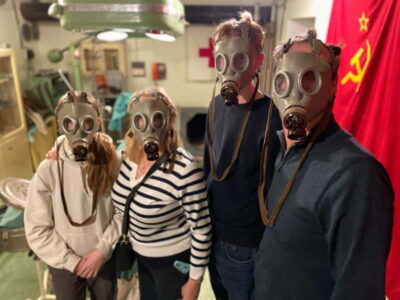
Communism and Bunker Tour with 70s Canteen Lunch
Read our review →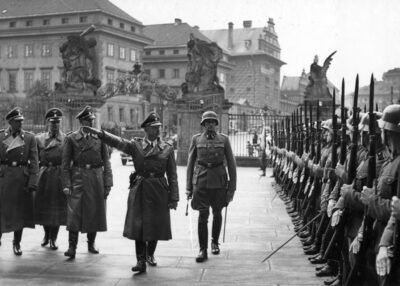
Second World War & Communism (Tip-based 3 hour tour)
Read our review →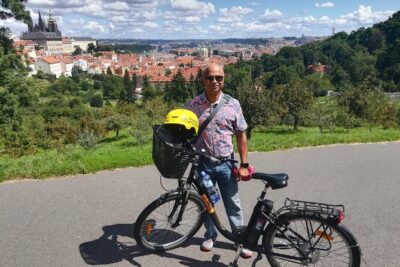
Browse the lists this tour appears in