
Reviewed · PRAGUE WORLD WAR II TOURS
Prague: Historical Walking Tour with Focus on World War 2
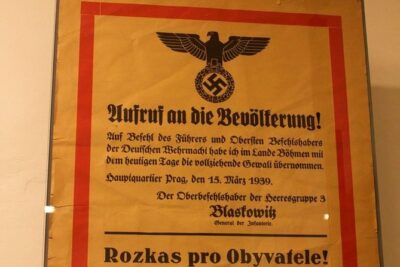
Prague’s World War II story comes into focus through places you can actually reach on foot: the former Gestapo headquarters, the squares where the Prague Uprising raged in May 1945, and the church crypt where members of the resistance made their final stand. This is less a stroll through pretty streets than a moving history lesson with pavement under your feet.
I like the way the tour links Czech history to the wider war, rather than treating the country as a footnote. I also like the guide’s use of photographs and personal commentary, including the local perspective offered by Petr on one private tour. The main drawback is its serious, lecture-heavy style, and one three-star rating noted a personal pickup while another low rating found explanations thin at some key sites.
Key points to know before booking
- Reinhard Heydrich’s assassination takes center stage: Follow the story from the Nazi occupation to the resistance members’ final hours in the church crypt.
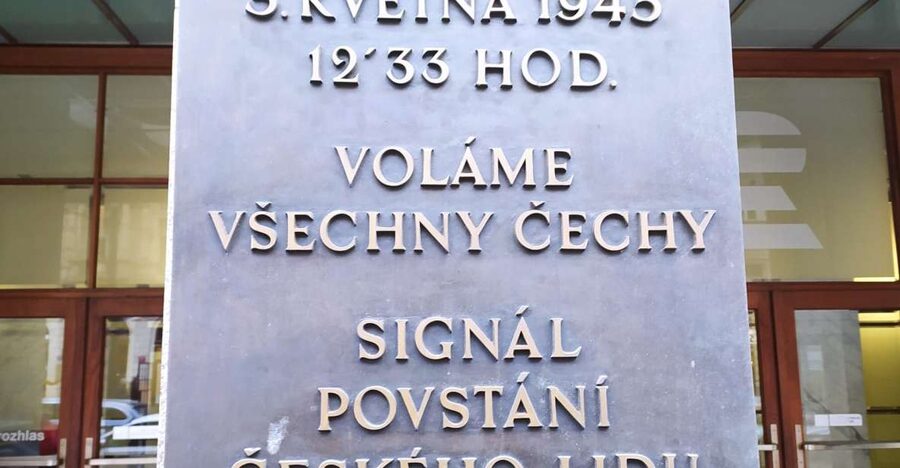
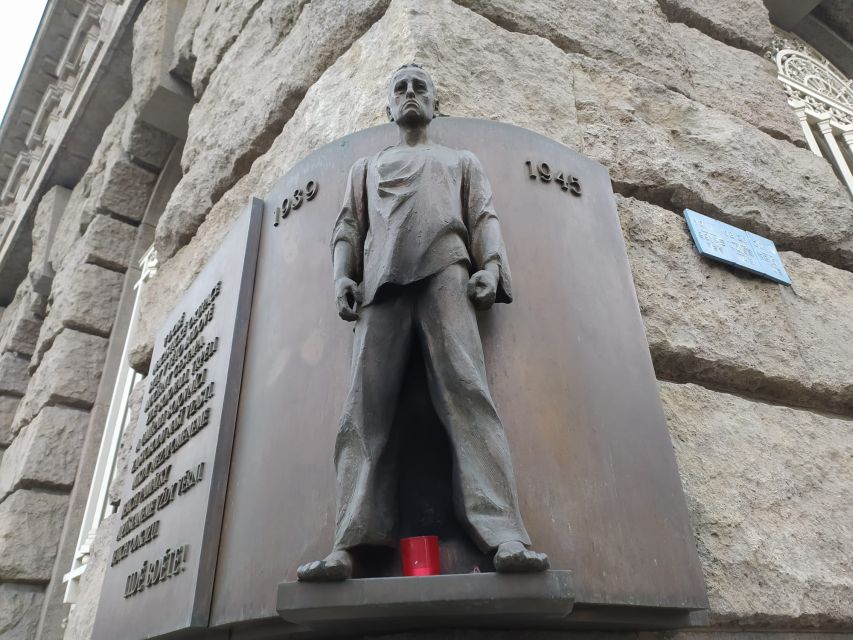
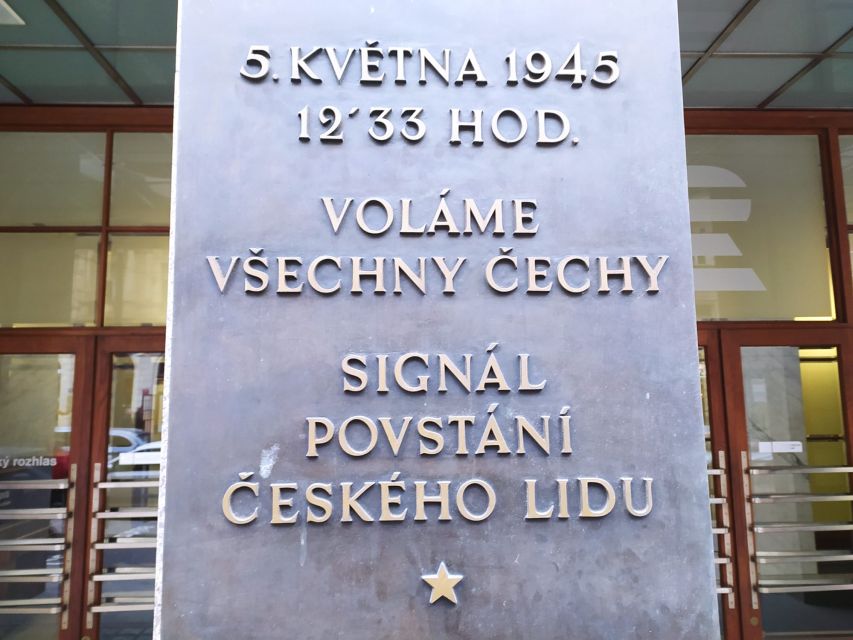
- You visit real Prague Uprising locations: Old Town Square, Wenceslas Square, and the Czech Radio headquarters all help explain the fighting in May 1945.
- The former Gestapo headquarters includes a moment of silence: This is a memorial stop, not just a photo opportunity.
- Photographs add useful context: The guide uses historic images and professional commentary to show how places looked during the war.
- Expect a brisk, serious three-hour walk: Comfortable shoes matter, and the tour is aimed at people age 10 and older.
- The price is $58 per person: That is reasonable if you value a specialist guide and private-group option, but less compelling if you want a light sightseeing walk.
A wartime Prague tour with real places, not just dates
This experience focuses on the Czech side of World War II. You begin with a substantial introduction to the conflict and to the history of Czechoslovakia, then move through central Prague to connect those ideas with specific buildings, streets, squares, and memorials.
That opening matters. Without it, the former Gestapo headquarters or the church crypt could feel like isolated stops. With the background, you can better follow the pressure of Nazi occupation, the work of the Czech resistance, the assassination of Reinhard Heydrich, and the desperate fighting that broke out in Prague during the final days of the war.
I would not book this expecting a casual orientation walk. The format includes a full theoretical explanation, and one Danish participant described the guide as passionate, professional, and particularly strong on the Czech side of the war. That same account noted that the pace could be quick, so you should be ready to listen closely and keep moving.
The experience is conducted in English, German, or Czech. A licensed local guide leads the walk, and a private group can be arranged. One named guide, Petr, was praised for his grasp of history and present-day politics, as well as for sharing personal memories of growing up in Prague. Your guide may be different, but that gives you a useful idea of the local angle this tour can offer.
More World War II tours in Prague:
- Prague: WWII Guided Tour & The Crypt of Operation Anthropoid
★ 4.7 · 1,030 reviews - WWII in Prague Tour & The Crypt of Operation Anthropoid
★ 5.0 · 817 reviews - Small-Group World War 2 & Operation Anthropoid Tour in Prague
★ 5.0 · 231 reviews
Meeting at Skautský Institut
The usual meeting point is outside the entrance to Skautský Institut, in an archway. Look for a guide holding a paper marked Spectrum Tours. Some booking options use a different pickup point, so check your selected option carefully before setting out.
This is a practical detail worth taking seriously. Central Prague has many busy lanes, courtyards, and entrances that can look alike, and the tour does not begin with a large coach or a prominent sign. Arrive with enough time to locate the archway without rushing.
The exact starting point can depend on the option you choose. The listed finish is at Resslova 9a in Prague 2, Nové Město. That final address is important because it is the location of the church and crypt connected with the Heydrich assassination story.
The opening history lesson
The tour begins with an explanation of World War II and Czech history. This is the part that sets the tone. You can expect a spoken presentation rather than a quick set of facts before the walking starts.
For some people, this is the best feature. Prague’s wartime story involves occupation, resistance, collaboration, repression, and the complicated end of the war. A guide who explains those links can help you understand why certain memorials matter and why a square that looks peaceful today was once a place of armed conflict.
For others, the introduction may feel long. The tour is only three hours, and a substantial lecture leaves less time for lingering at each stop. If you prefer to learn through short stories and photographs as you walk, ask yourself how much formal explanation you want.
The guide uses many photographs and adds professional comments to them. This can make a major difference at locations where the wartime appearance is hard to imagine. You are not simply told that an event happened at a certain address. You are given visual material to compare with the modern city around you.
The former Gestapo headquarters and a quiet memorial
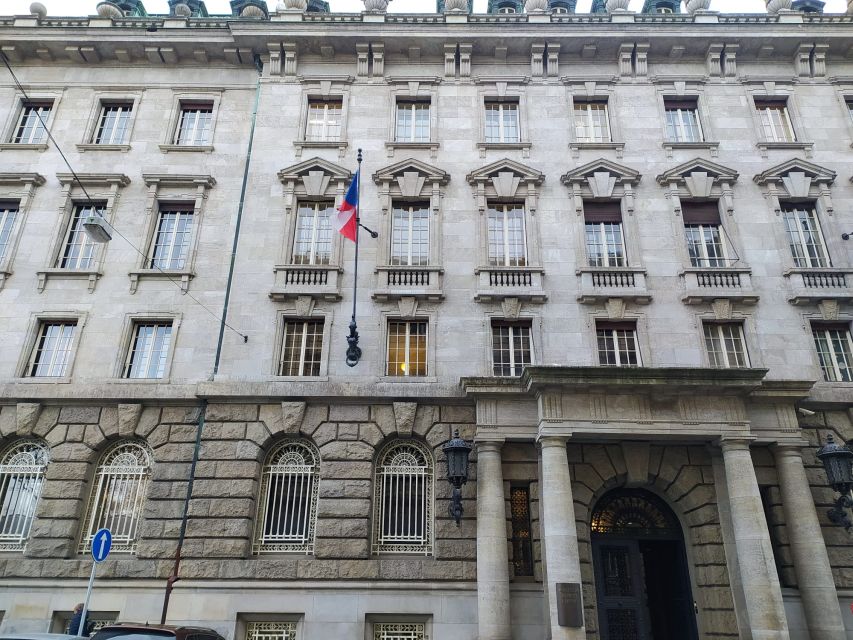
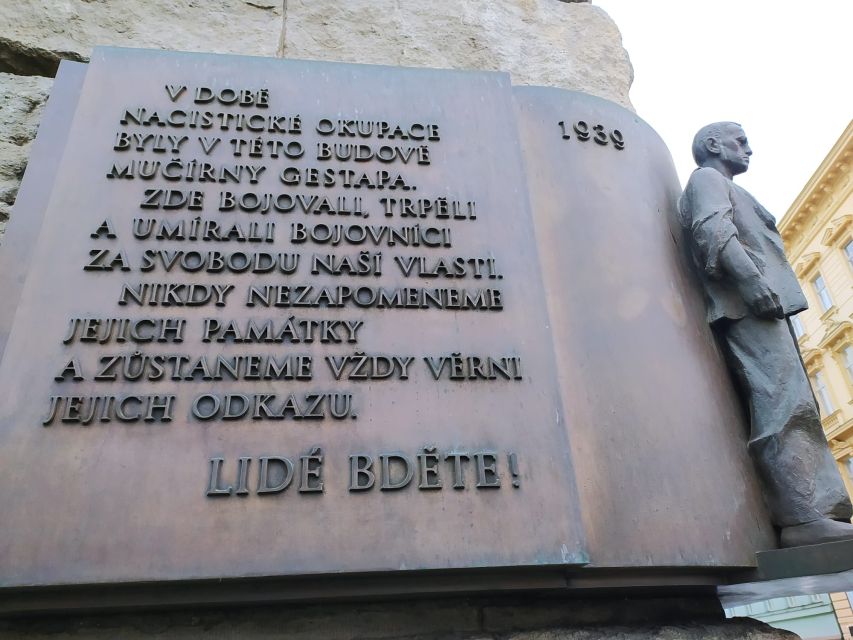
One of the most solemn stops is the former Gestapo headquarters. The tour includes a minute of silence there in memory of people who suffered under Nazism.
That pause gives the site a different weight. It is easy to move quickly through central Prague, taking in façades and streets without thinking about what happened behind them. A formal moment of silence asks you to stop and consider the human cost of occupation.
The information provided does not promise an interior museum visit, so you should think of this as an outdoor historical stop and memorial moment. The guide’s photographs and explanation are especially useful here, since the present-day building may not reveal its wartime function.
This is also a place where the guide’s tone matters. The experience is built around remembrance, not spectacle. You should expect a serious explanation and a respectful pause rather than dramatic storytelling.
More history tours in Prague:
- Prague: Oldtown, Medieval Underground & Dungeon History Tour
★ 4.2 · 8,244 reviews - Prague Old Town, Medieval Underground and Dungeon Historical Tour
★ 4.5 · 3,227 reviews - Prague: Communism History and Nuclear Bunker Guided Tour
★ 4.7 · 2,417 reviews - Prague: Historic City Center Bus Tour with Top Sights
★ 4.4 · 2,360 reviews
Old Town Square and the Prague Uprising
The walk continues to locations tied to the heaviest fighting of the Prague Uprising in May 1945. Old Town Square is one of the city’s most famous public spaces, but on this tour you see it through the final days of the war.
The square’s modern appearance can make the fighting difficult to picture. Historic photographs help bridge that gap, showing you how the streets and buildings fit into the events. The value here is not simply checking another famous Prague location off your list. It is learning how a familiar civic space became part of an armed revolt.
The tour’s focus on the uprising also gives you a different ending to the European war. Prague was not just waiting for liberation. The city experienced its own conflict in May 1945, and the guide explains the local struggle through the places where it unfolded.
You should keep your attention on the guide during this section. A busy city square can make it easy to lose the thread, especially if you are taking photos or trying to keep up with a private group moving at a brisk pace.
Wenceslas Square and Czech Radio headquarters
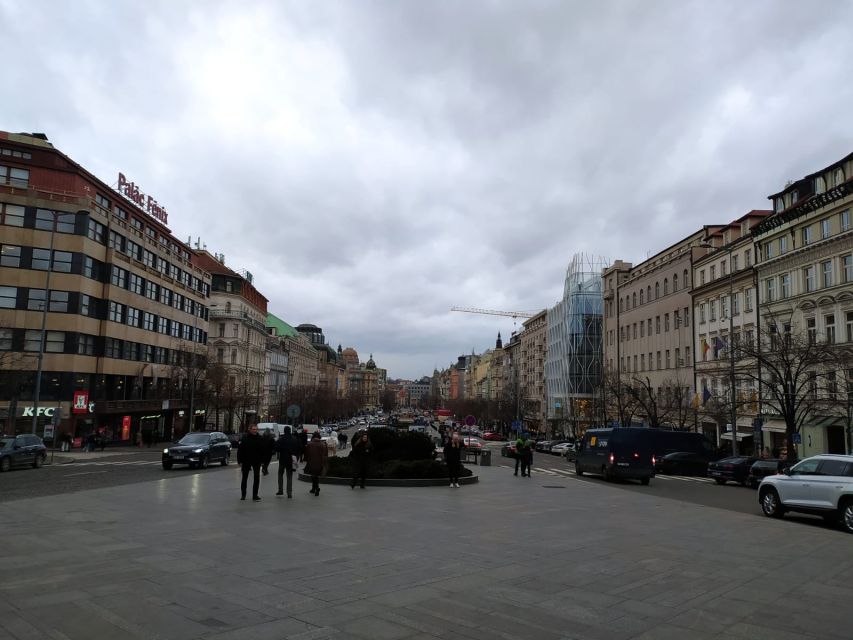
Wenceslas Square is another major stop connected with the Prague Uprising. Today it is a broad central avenue lined with shops, hotels, and public buildings. The tour shifts your attention from its modern commercial role to its place in the fighting.
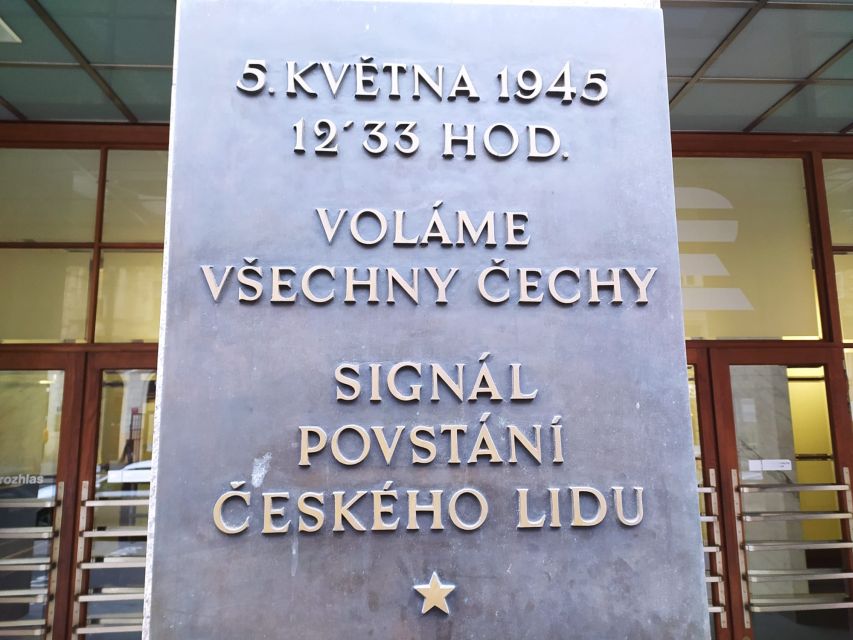
The Czech Radio headquarters provides another important connection. Radio was central to the uprising, and the building became one of the locations associated with the conflict. The guide uses photographs and commentary to explain why this site mattered.
These stops work well together because they show how the uprising moved through the city’s civic heart. Old Town Square, Wenceslas Square, and Czech Radio are not remote battlefield sites. They are places you can encounter during an ordinary day in Prague, which makes the history feel close and immediate.
The tradeoff is that you are viewing sites in the middle of an active city. You may find traffic, pedestrians, and ordinary city noise around you. The guide has to explain the past within that present-day setting, rather than offering a quiet museum environment.
The assassination of Reinhard Heydrich
The most detailed part of the tour covers Reinhard Heydrich’s assassination. Heydrich was one of the highest-ranking Nazis until his death in 1942, and his role in the occupation makes the story central to any serious account of wartime Prague.
The tour does more than mention the assassination as a famous event. It explains the wider problem surrounding the operation, the resistance members involved, and the consequences that followed. This section is likely to be the strongest reason for booking if you already have an interest in the Czech resistance.
The guide’s photographs are useful here because the story involves several people and stages. It can be hard to track the sequence from a short plaque or a quick internet summary. A live explanation lets you ask questions and connect the political setting with the physical places you are seeing.
The tone is serious, and the subject includes death, repression, and the destruction caused by the Nazi response. This is not a polished war story with a simple heroic ending. The tour presents the human cost and the final fate of those involved.
The church crypt at Resslova 9a
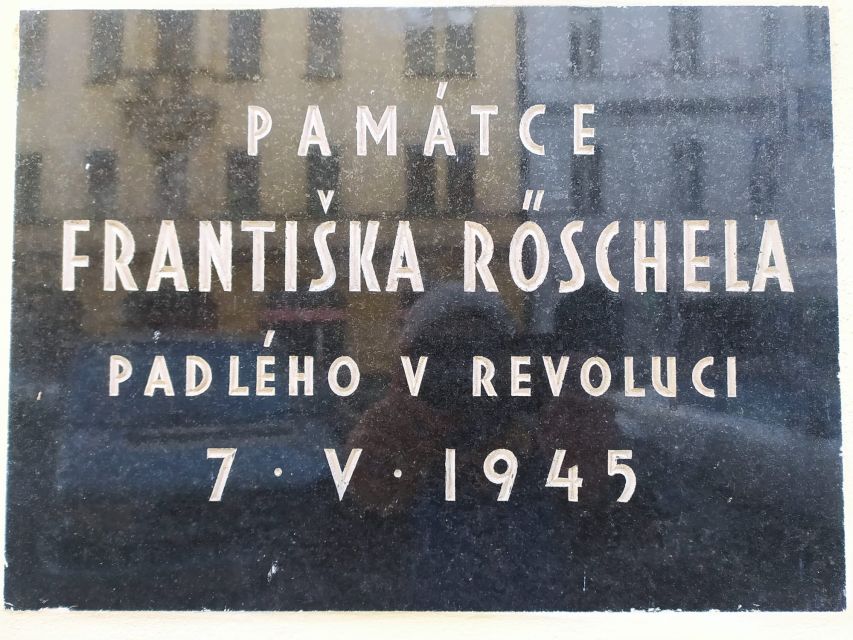
The tour finishes at Resslova 9a, at a church with a crypt where the resistance members connected with Heydrich’s assassination made their last stand and died. The crypt is described as an especially powerful part of the experience.
This final stop gives the three-hour walk a clear emotional center. You have heard the political background, seen the places connected with the uprising, and followed the assassination story. In the crypt, the account reaches its final chapter in a confined, personal setting.
The site is not just another memorial marker. It is the place of the last resistance of the men and women involved in the operation, which gives the visit a direct physical connection to the story. You should allow yourself time to take in the atmosphere, even though the overall tour has a set duration.
Because the visit concerns violent death and wartime persecution, it may not suit younger children or anyone seeking a light activity. Children under 10 are not permitted. Older children and teenagers with a serious interest in history may find it meaningful, but the content is not softened into a family entertainment format.
What the photographs add
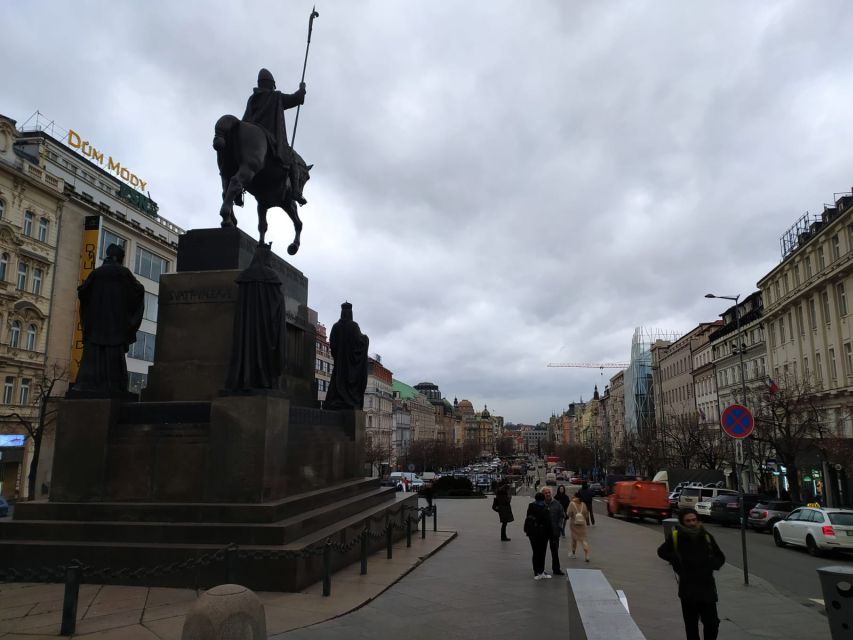
The guide’s collection of photographs is one of the tour’s most useful tools. Prague has changed, and many modern streets do not immediately reveal their wartime role. Historic images let you compare the city you see with the city described in the story.
The photographs also help organize a large amount of information. World War II in Prague involves occupations, resistance networks, political figures, public fighting, and memorial sites. Visual references can make those details easier to remember than a string of dates.
I would still keep your expectations measured. Photographs and professional comments cannot guarantee that every stop receives the same depth of explanation. One low rating found that some key tourist sites received limited insight. That is a fair caution for anyone booking specifically to hear a detailed explanation at every location.
The best approach is to treat the guide as the main source of interpretation and the photographs as support. Listen first, then take your own pictures if time allows. The tour’s strength is the connection between image, place, and story.
Price, pace, and who gets the most value
At $58 per person, this is not the cheapest way to walk around Prague. The price makes more sense if you want a licensed local guide, a specialist focus on World War II, historic photographs, and the option of a private group.
For a general introduction to Prague, I would choose a broader city walk instead. This experience spends much of its time on occupation, resistance, the Prague Uprising, and Heydrich’s assassination. You are paying for a focused subject, not a tour of Prague’s main architectural sights.
The three-hour length is useful. It gives the subject room to breathe without taking an entire day. Still, the mix of lecture and walking means you need comfortable shoes and enough energy to pay attention for the full period.
The tour is listed as wheelchair accessible. Since it includes a walking route through central Prague and a crypt visit, you should confirm the practical details for your selected option before booking if you have specific mobility needs. The supplied information does not explain the exact route or access arrangements at every stop.
Free cancellation is available up to 24 hours before the start, and you can reserve without paying at once. Those terms help if your Prague schedule is still changing, but the main decision is still the subject matter. Book this because you want wartime history, not simply because you have three hours free.
Who should book this experience?
I would recommend it most strongly to adults and older teenagers who want to understand Prague’s role in World War II. It suits you if you enjoy a guide who explains political background, points out memorials, and uses photographs to build a larger story.
It is also a good choice for repeat visitors who have already seen Prague Castle, the Old Town, and the standard viewpoints. The route gives familiar central locations a new meaning.
You may want to choose something else if you prefer relaxed sightseeing, short explanations, or a tour built around architecture and food. The lecture-heavy opening and serious subject can feel demanding, especially if you are hoping for a lighter afternoon.
The private option is worth considering for families with older children or small groups with specific questions. One private tour was praised for the guide’s personal connection to Prague and his ability to discuss both history and present politics. A private format may also make it easier to control the pace, though the supplied details do not specify the extra cost.
Should you book the Prague World War II walking tour?
Book it if you want the Czech story of World War II presented through actual locations. The former Gestapo headquarters, the Prague Uprising sites, and the church crypt at Resslova 9a give the tour a strong sense of place. The Heydrich assassination section is the main draw, and the historic photographs help you see more than the modern streets alone reveal.
Skip it if you want a broad, easygoing introduction to Prague or if you dislike long explanations. The experience asks for concentration, steady walking, and respect for painful subjects.
At $58, I see solid value for history-focused visitors, especially with a private group and a strong guide such as Petr. Just keep the possible variation in guide depth in mind. This is a specialist walk, and its success depends heavily on how clearly your guide connects the photographs, politics, and places.
FAQ
How long does the tour last?
The walking tour lasts three hours.
What languages are available?
The tour is available in English, German, and Czech.
Where does the tour meet?
The meeting point is outside the entrance door to Skautský Institut, in an archway. The guide holds a paper marked Spectrum Tours. The exact pickup point can depend on the option selected.
Where does the tour finish?
The listed finish is Resslova 9a, 120 00 Praha 2-Nové Město, Czechia.
Does the tour visit the former Gestapo headquarters?
Yes. The experience includes a visit to the former Gestapo headquarters and a minute of silence honoring victims of Nazism.
Does the tour cover Reinhard Heydrich’s assassination?
Yes. The tour explains the assassination and visits the church crypt where the resistance members connected with it made their last stand and died.
Is the tour suitable for children?
Children under 10 are not permitted. The subject includes wartime violence, death, and resistance, so the content is most suitable for older children and adults with an interest in history.
What should I bring?
Bring a passport or ID card and wear comfortable shoes.
More Walking Tours in Prague
- Prague: 3-Hour Walking Tour of Old Town & Prague Castle
★ 4.7 · 5,696 reviews - Prague: Ghost Walking Tour Where Legends Come To Life
★ 4.4 · 5,253 reviews - Prague: Jewish Quarter Walking Tour with Admission Tickets
★ 4.7 · 3,729 reviews - Prague Guided Walking Tour and Cruise with Authentic Czech Lunch
★ 5.0 · 3,627 reviews
Just added around Prague
- WWII and Communism History in Prague’s Old Town Private Tour★ 5.0 · 4 reviews
- World War II 4WD Tour from Prague with Lunch★ 4.4 · 3 reviews
- Unique salt cave in Prague★ 4.9 · 10 reviews
- Walking tour of Prague in French : Nové Město★ 4.9 · 16 reviews
- Walking tour of Prague in french: Old Town & Charles Bridge★ 4.9 · 62 reviews
- Prague: Market Tour and Traditional Czech Cooking Class★ 4.7 · 19 reviews
- Ultimate Unlimited Beer Pong with Czech Beer★ 4.6 · 5 reviews
- Prague: Modern Private Spa with Jacuzzi and Sauna★ 4.8 · 62 reviews
Prague World War II Tours, compared.
WWII Guided Tour & The Crypt of Operation Anthropoid
Read our review →
WWII in Prague Tour & The Crypt of Operation Anthropoid
Read our review →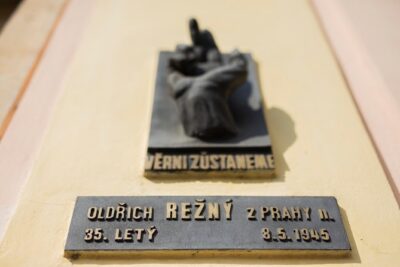
Small-Group World War 2 & Operation Anthropoid Tour in Prague
Read our review →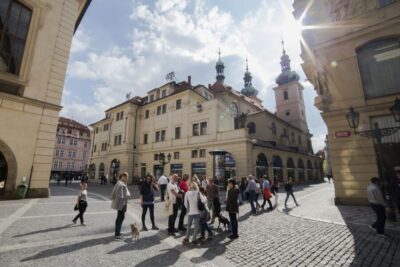
World War 2 and Operation Anthropoid Walking Tour
Read our review →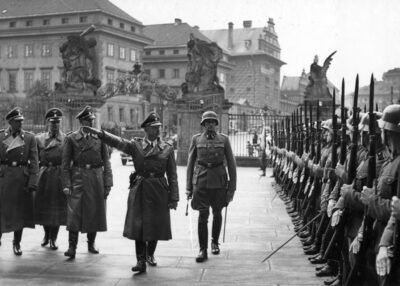
Browse the lists this tour appears in