
Reviewed · PRAGUE COMMUNISM HISTORY TOURS
Prague: Communism History and Nuclear Bunker Guided Tour
Prague’s largest nuclear bunker is the heart of this tour. Fifty feet below the city, the 1950s shelter was designed for up to 5,000 people. You’ll see Cold War equipment, photographs, and a gasmask workshop while guides such as Stan, Pavel, or Ladislav explain what fear and political control felt like in everyday Czechoslovakia.
I like the personal storytelling, especially when a guide such as Ladislav or Stan connects major events with memories of growing up under communism. I also like the tram ride to the bunker, which takes you beyond Prague’s postcard center and gives the subject a more local setting.
The main drawback is physical: this is a walking tour with public transport, stairs, and an underground visit. Dust, narrow areas, and the bunker’s serious subject matter may be difficult if you have claustrophobia, respiratory sensitivity, heart problems, or limited mobility.
Key points to know before booking
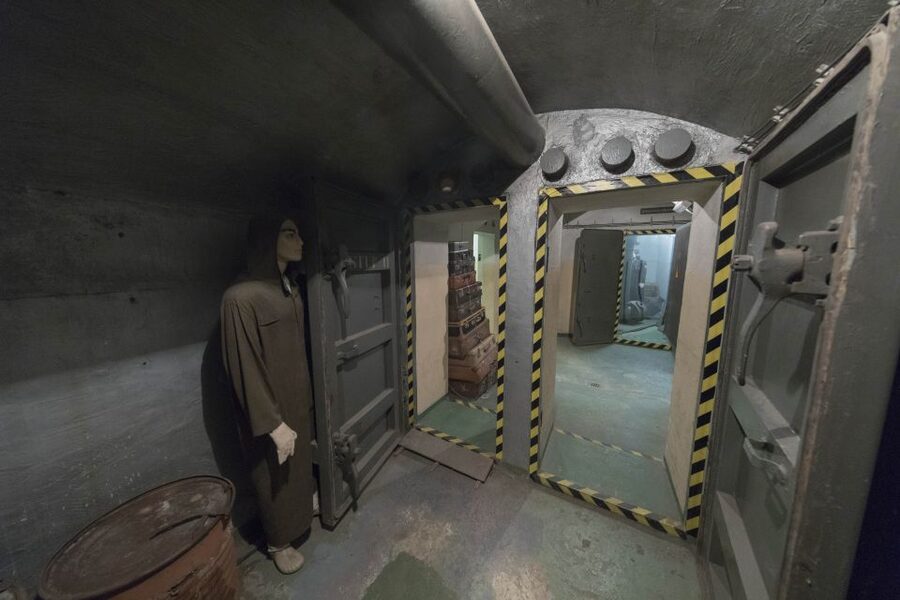
- The bunker sits 50 feet underground: Expect a substantial visit to a real 1950s shelter built for as many as 5,000 people.
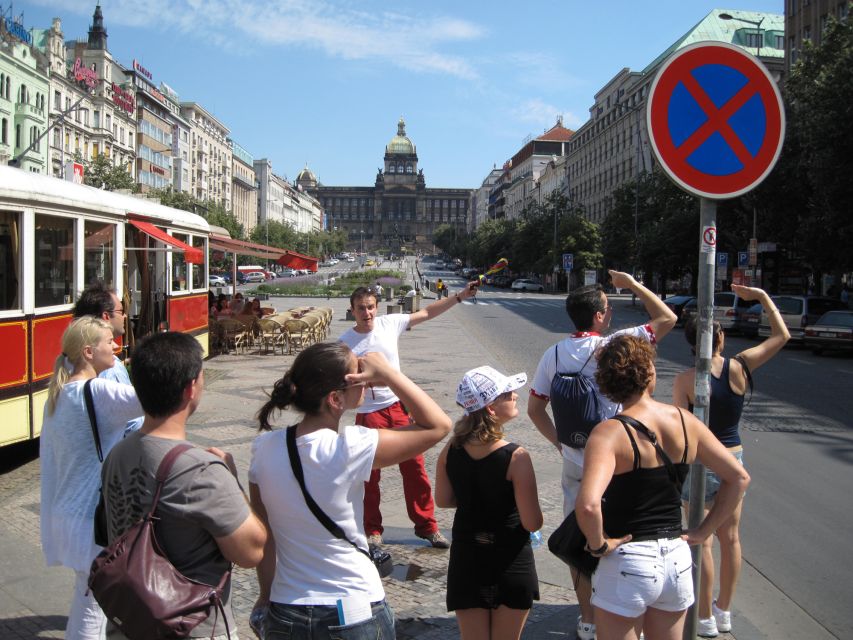
- The tour begins above ground: You’ll see the Velvet Revolution Memorial, Národní Street, Wenceslas Square, and sites linked to communist Prague.
- Guides add the human story: Stan, Pavel, Ladislav, Katerina, Maki, and other guides are praised for clear explanations, humor, and firsthand memories.
- Public transport is part of the experience: The group travels by tram to the bunker, with transportation included in the price.
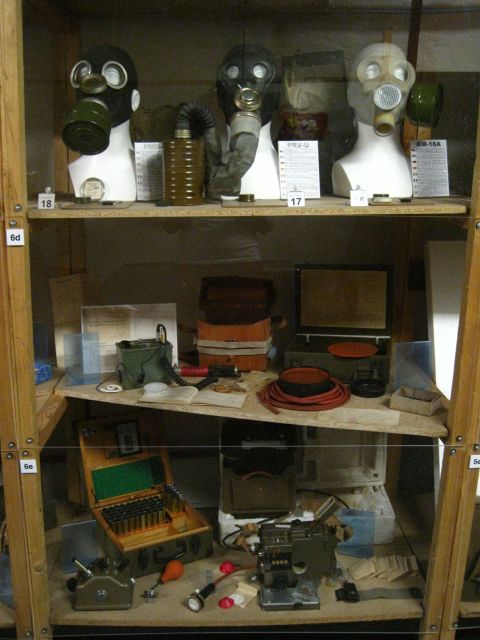
- The museum is hands-on in places: Expect genuine equipment, Cold War photographs, a gasmask workshop, and possible military-themed photo opportunities.
- Plan for a serious, active tour: It lasts about 150 minutes and is not suitable for wheelchairs, strollers, infants, or people with walking difficulties.
Why the bunker gives this history weight
Prague has several museums covering communism, but this experience puts you inside the physical world of the Cold War. Reading about nuclear drills is one thing. Walking through a shelter built to hold thousands of civilians gives the subject a colder, more practical feel.
The bunker was constructed in the 1950s, when nuclear war was treated as a frightening possibility rather than a distant idea. Its size matters. This was not a small private shelter for officials. It was planned as a refuge for a large civilian population, which helps explain how seriously authorities prepared for catastrophe.
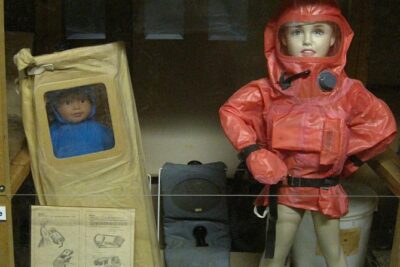
You’ll see Cold War-era objects and equipment, along with photographs and displays that show how the period looked and felt. The exhibits are not polished like a major national museum. One recent assessment found some displays looking tired, and you should expect dust that comes with an old underground site. That roughness is part of the setting, but it can also make the visit less comfortable for anyone with dust allergies.
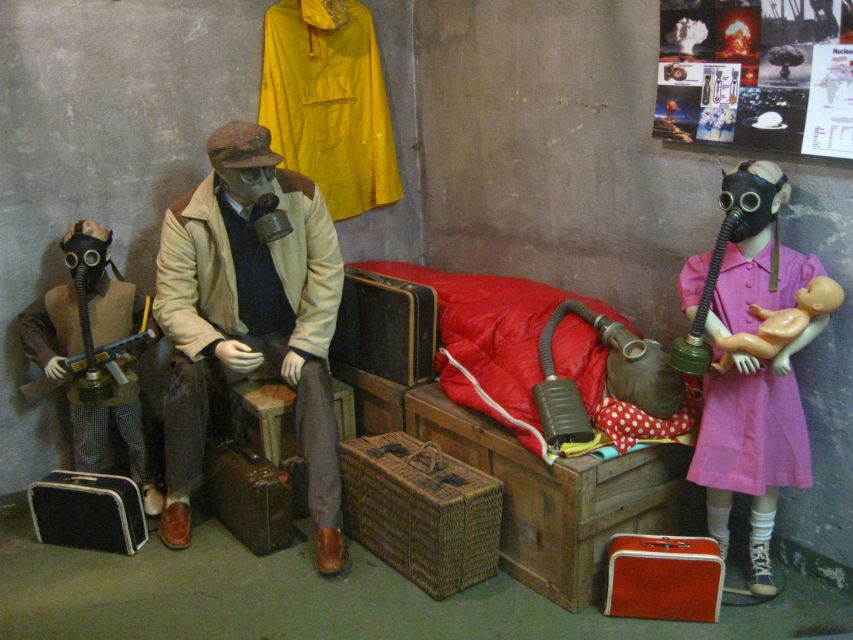
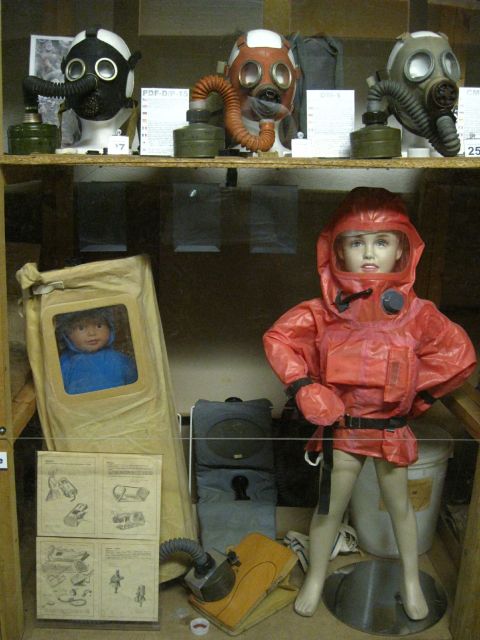
The gasmask workshop adds a more physical element. Instead of only listening to political history, you get a sense of the protective gear people associated with chemical and nuclear danger. A photo opportunity involving guns may also be offered, though the exact activity can depend on the guide and conditions.
More communism history tours in Prague:
- Prague Communism History and Nuclear Bunker Tour
★ 5.0 · 1,742 reviews - Communism & Nuclear Bunker Tour + 70s Canteen Lunch (own expense)
★ 5.0 · 1,036 reviews - Prague: Communism and Bunker Tour with 70s Canteen Lunch
★ 4.8 · 250 reviews
The opening walk through communist Prague
The tour starts in central Prague, with the exact meeting point depending on the option you book. Arrive early and confirm the location carefully. Once the group leaves, joining late is not guaranteed.
The first part is a short guided walk of roughly 10 minutes at each main stop. It is not designed to cover every corner of Prague. Instead, it establishes the political setting before you go underground.
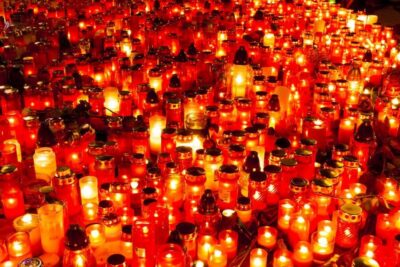
At the Velvet Revolution Memorial, you’ll connect the tour with the peaceful movement that helped end communist rule in Czechoslovakia. The memorial gives the later part of the story a clear destination: the bunker represents state fear and preparation, while the revolution represents the public pressure that finally changed the system.
Národní Street adds another important point. The area is tied to the events of November 1989, and the guide explains how public protest, police force, and political change came together. You’ll get more from this stop if you already know that the Velvet Revolution was not an overnight switch from one system to another. The guide’s job is to connect the street in front of you with the larger story.
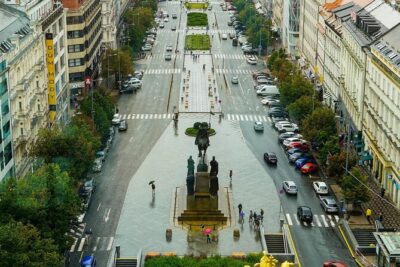
At Wenceslas Square, the scale changes. This broad city space has long been a place for public gatherings, speeches, protests, and political announcements. The tour uses it to explain how ordinary people experienced the communist decades and how public life changed around the end of the regime.
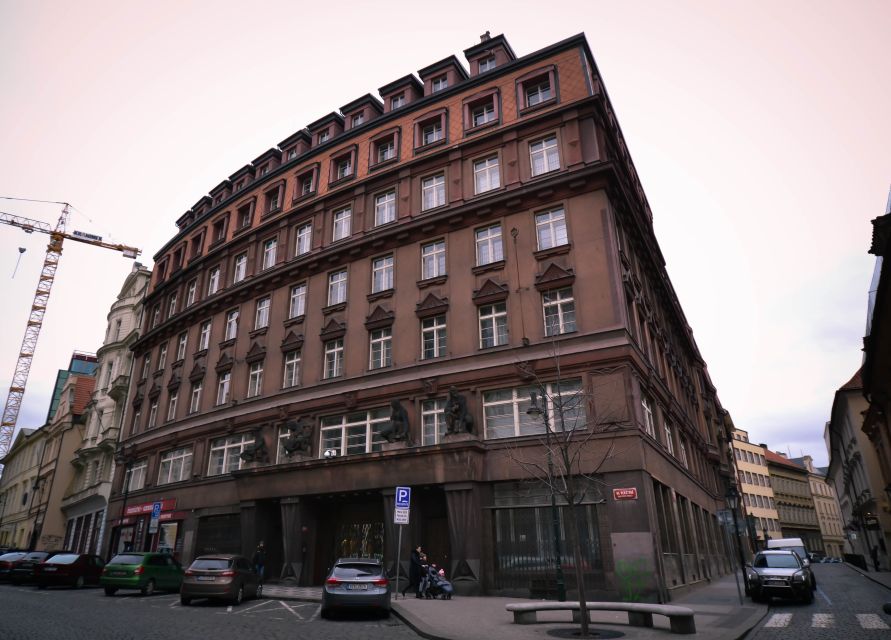
The walk also touches on the former headquarters of the communist secret police and the site connected with Prague’s enormous Stalin statue. These details help explain the visual and political force of the old regime. The point is not simply that a statue once existed. It is that public space was used to project power, loyalty, and fear.
Guides who make the politics personal
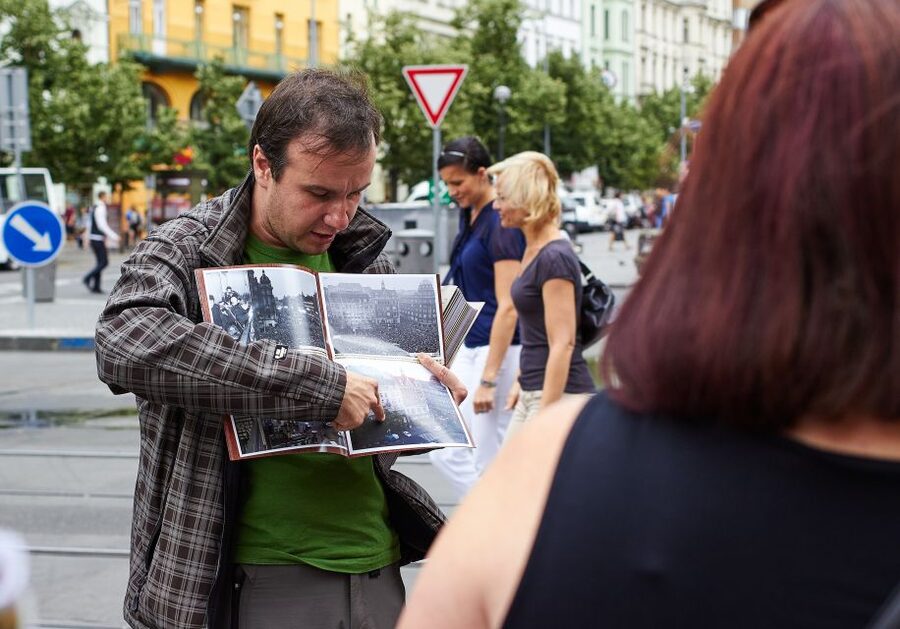
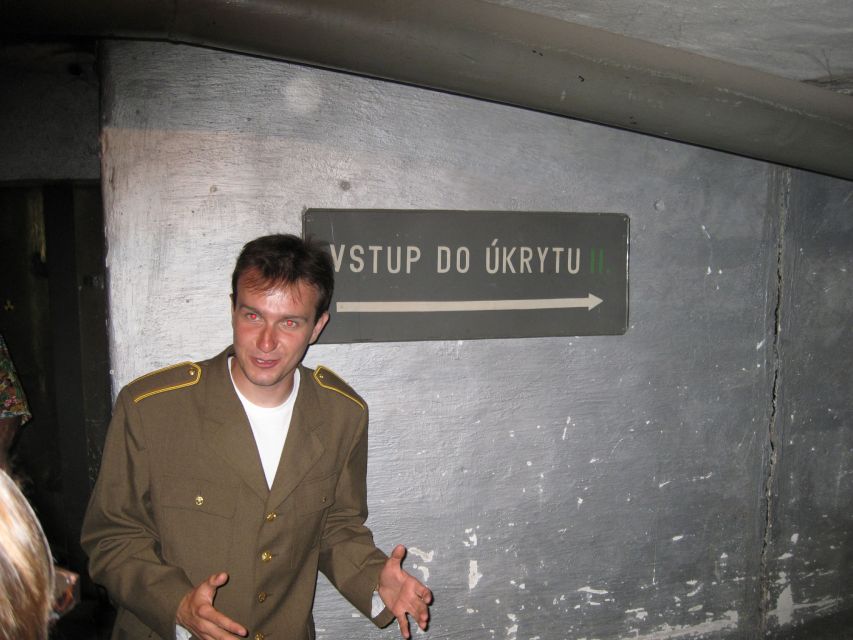
The quality of this tour depends heavily on the guide, and the strongest part is usually the spoken commentary. Guides including Pavel, Stan, Ladislav, Katerina, Maki, and the guide identified as L have been praised for combining facts with personal stories and a light touch of humor.
Ladislav is particularly well suited to the subject because he lived through the communist period himself. Stan also brings memories of growing up in Prague during communism and its collapse. Pavel is noted for careful group management, clear English, and an ability to answer questions while keeping everyone together during the tram journey.
That personal angle matters. Political systems can sound abstract when reduced to dates, party names, and official speeches. Stories about spies, political prisoners, dissidents, refugees, and ordinary families make the subject easier to understand. You hear how surveillance and fear affected daily choices, not just how governments described themselves.
The best guides do not turn the tour into a lecture. They explain the facts, then show how those facts affected people. Several guides also use humor, which helps with a heavy subject without making light of the violence or repression involved.
The tour is offered in English or German. You need to speak the selected language well enough to follow the commentary, and you cannot translate continuously for another person during the tour. That rule may sound strict, but it keeps the group moving and allows the guide to maintain the planned timing.
Taking the tram to the bunker
The ride to the bunker takes about 10 minutes and is included in the tour. This is more than a simple transfer. You leave the main tourist center and see how the experience shifts from famous landmarks to a less polished, more ordinary part of Prague.
The guide leads the group through the transport process, which is useful because keeping track of a group on a tram can be awkward. Pavel, in particular, is praised for helping people get on and off safely and making sure no one is left behind.
Allow some flexibility in the schedule. The stated duration is 150 minutes, but the tour can run about 10 to 15 minutes longer or shorter depending on group size. Tram delays, crowd movement, and the pace of questions can all affect the timing.
You should wear comfortable walking shoes. The route includes city streets, public transport, and stairs. This is not a sit-down museum visit with a short transfer by vehicle.
More history tours in Prague:
- Prague: Oldtown, Medieval Underground & Dungeon History Tour
★ 4.2 · 8,244 reviews - Prague Old Town, Medieval Underground and Dungeon Historical Tour
★ 4.5 · 3,227 reviews - Prague: Historic City Center Bus Tour with Top Sights
★ 4.4 · 2,360 reviews - Prague Historic Pub Tour with Drinks Included
★ 5.0 · 2,084 reviews
Entering a 1950s shelter built for 5,000 people
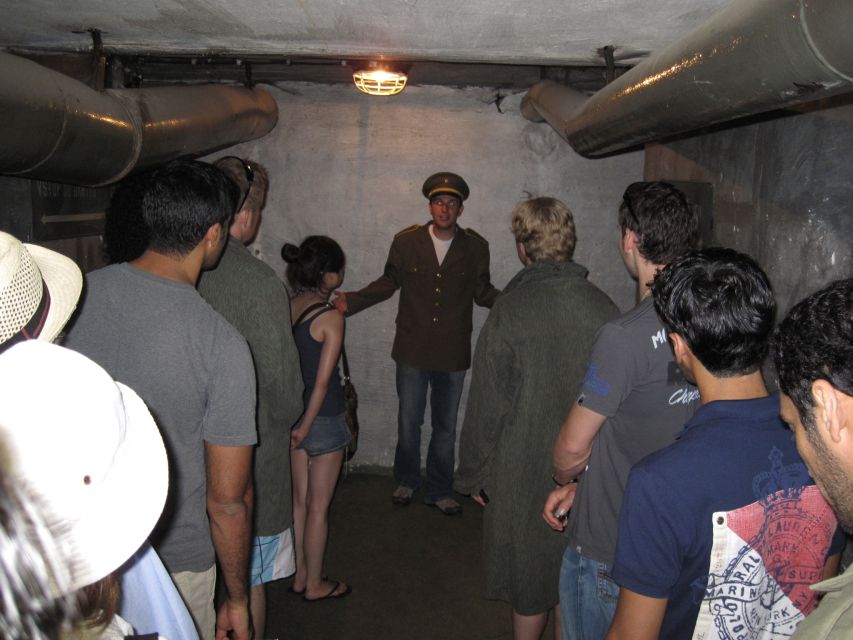
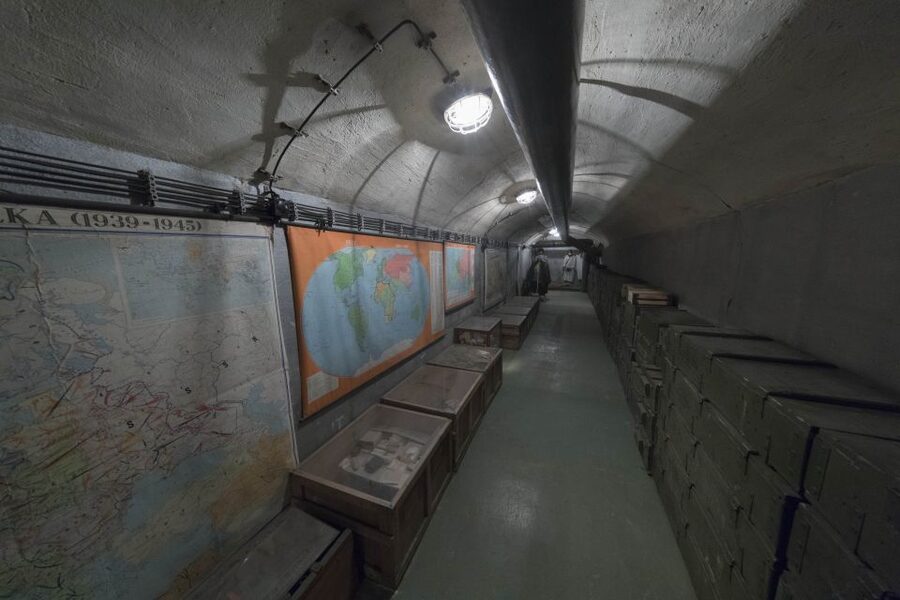
The bunker visit lasts about 70 minutes, making it the longest part of the tour. You’ll enter a large underground complex built in the 1950s and designed to accommodate up to 5,000 people during a nuclear emergency.
That figure is one of the tour’s most useful details. It gives you a sense of the scale before you see the rooms and equipment. A shelter for several thousand people requires systems, storage, communication, medical planning, and strict organization. Even if you are not a Cold War enthusiast, the engineering and social planning are interesting.
The museum includes Cold War displays, genuine equipment, photographs, and other objects from the period. You may find the exhibits less polished than those in a modern museum, but they fit the bunker better than a sleek presentation would. The old surfaces, underground atmosphere, and worn displays make the place feel like a preserved working site rather than a theatrical set.
The bunker can also be unsettling. The subject includes nuclear attack, state violence, political imprisonment, spying, and fear. The underground setting reinforces that mood. I would not choose this outing for a very young child or anyone who dislikes confined spaces.
Photos are allowed, but video recording requires extra permission. Take photographs respectfully and listen for the guide’s instructions, especially in areas with stairs or limited space.
The gasmask workshop and hands-on details
The gasmask workshop is one of the more unusual parts of the visit. It gives you a direct look at the equipment associated with civil defense and makes the bunker feel less like a collection of photographs.
Some people will enjoy the practical angle. You can compare the equipment with the images and stories presented during the tour, which helps turn a distant political period into something concrete. The reported gun-related photo activity can also appeal to visitors interested in military history, although it should not be the reason you book the tour.
The exhibits focus on the Cold War rather than on entertainment. The workshop and possible photo activity add variety, but the main purpose remains historical explanation. The guide’s stories are more important than the props.
If you have respiratory allergies, consider wearing a face mask inside the bunker. The site is not described as dirty, but dust is a reasonable expectation in an old underground structure. Anyone with claustrophobia should think carefully before booking, since the bunker setting is central to the experience rather than a brief side visit.
How much value do you get for $44?
At $44 per person, the tour sits above the price of a basic city walk but includes several elements that would cost money and time to arrange separately. You receive a live guide, the bunker entrance, the museum exhibits, and public transportation to and from the site.
The value is strongest if you want context rather than a quick photo stop. A standard Prague sightseeing walk may show you Wenceslas Square and Národní Street, but it usually will not connect those places with personal accounts of communist life or take you 50 feet underground to a civilian nuclear shelter.
The price is less attractive if you only want to see the bunker and do not care about the city walk. The tour spends time on political history before and after the bunker, so you should be interested in the whole story.
Reserve now and pay later is available, and you can cancel up to 24 hours before the start for a full refund. There is no hotel pickup, and food and drinks are not included. There are also no toilets at the starting point, so plan ahead.
Who will get the most from this tour?
I would choose this tour if you enjoy modern European history, Cold War politics, social history, or unusual places that explain how a city lived through a difficult period. It also suits anyone who wants more than Prague’s castles, churches, and scenic squares.
You do not need to be a history specialist. The guides explain the background in a way that works for first-time visitors, and the personal stories make complicated events easier to follow.
It is a particularly good choice if you have already seen Prague’s main sights and want a different side of the city. The tram ride and suburban setting help break up the usual center-only sightseeing pattern.
I would skip it if you have significant mobility limits, use a wheelchair, need a stroller, or struggle with stairs. It is also unsuitable for babies under one year and the smallest preschool children. The operator advises against the tour for people with claustrophobia, heart issues, or attention disorders.
You should also avoid booking if you expect a light entertainment outing. The guides use humor, but the subject includes oppression, violence, fear, and political imprisonment. The tone is serious even when the guide is warm and funny.
Is the Prague bunker tour worth booking?
Yes, if you want a clear, human explanation of Prague under communism and are comfortable with an active underground visit. The strongest reasons to book are the personal accounts from guides such as Stan, Pavel, and Ladislav, the tram ride beyond central Prague, and the rare chance to enter a real shelter built for 5,000 people.
Give it a pass if you need a fully accessible activity, dislike confined spaces, or want a polished museum with modern displays. For everyone else, $44 buys a focused 150-minute lesson in Prague’s recent past, with enough physical detail to make the Cold War feel close rather than distant.
FAQ
How long does the Prague communism and bunker tour last?
The tour lasts about 150 minutes. The actual time may vary by roughly 10 to 15 minutes depending on group size and the pace of the visit.
What languages are available?
The tour is available in English and German. You must be able to speak and follow the language selected for your booking, and continuous translation into another language is not permitted.
Is transportation to the bunker included?
Yes. Public transportation to and from the bunker is included, and the route includes a tram journey from central Prague.
Is the tour suitable for wheelchair users or people with mobility problems?
No. The tour includes walking and stairs and is not suitable for wheelchair users, strollers, or people with walking or mobility difficulties.
Can children and babies join the tour?
The experience is not suitable for infants under one year or the smallest children under school age. The underground setting and walking demands are better suited to older children and adults.
Can I cancel the booking?
You can cancel up to 24 hours before the tour for a full refund. A reserve-now, pay-later option is also available.
Just added around Prague
- Prague: Historical Walking Tour with Focus on World War 2★ 4.3 · 12 reviews
- WWII and Communism History in Prague’s Old Town Private Tour★ 5.0 · 4 reviews
- World War II 4WD Tour from Prague with Lunch★ 4.4 · 3 reviews
- Unique salt cave in Prague★ 4.9 · 10 reviews
- Walking tour of Prague in French : Nové Město★ 4.9 · 16 reviews
- Walking tour of Prague in french: Old Town & Charles Bridge★ 4.9 · 62 reviews
- Prague: Market Tour and Traditional Czech Cooking Class★ 4.7 · 19 reviews
- Ultimate Unlimited Beer Pong with Czech Beer★ 4.6 · 5 reviews
Prague Communism History Tours, compared.
Prague Communism History and Nuclear Bunker Tour
Read our review →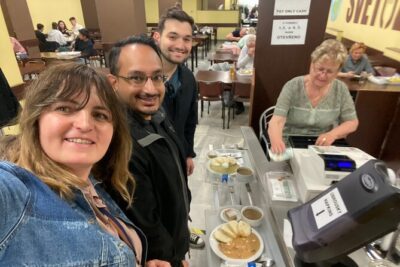
Communism & Nuclear Bunker Tour + 70s Canteen Lunch (own expense)
Read our review →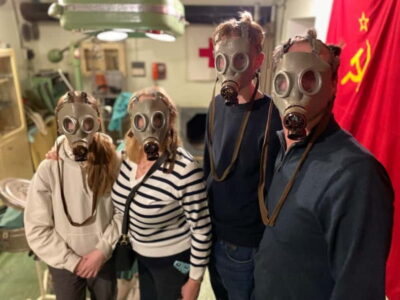
Communism and Bunker Tour with 70s Canteen Lunch
Read our review →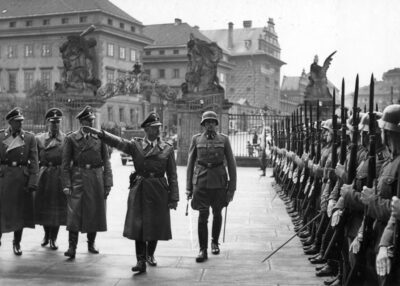
Second World War & Communism (Tip-based 3 hour tour)
Read our review →
Browse the lists this tour appears in