
Reviewed · PRAGUE WORLD WAR II TOURS
Prague: WWII Tour with Local Historian SMALL GROUP
Prague’s WWII story comes into focus on this walk, especially at the church where Czech paratroopers made their last stand after the assassination of Reinhard Heydrich. You hear about Operation Anthropoid, the attack that killed one of the Nazi regime’s highest-ranking officials, then connect that event to the occupation, resistance, and final uprising.
I like two things here. First, the group is limited to seven people, so historian Gerry or Jiri can keep the walk personal and answer questions. Second, the tour adds human stories, including Nicholas Winton’s rescue of 669 Jewish children through the Kindertransports. The main drawback is that two and a half hours gives you a brisk look at a large subject, not a full study of Prague during the war.
Key points to know before booking
- Operation Anthropoid takes center stage: Follow the story of Heydrich’s assassination and visit the church where the paratroopers were cornered.
- The group stays very small: With no more than seven participants, you get a closer conversation with the historian.
- The stories reach beyond combat: The tour includes Nicholas Winton, Jewish children rescued by Kindertransports, the 1945 uprising, and the bombing of Prague.
- The Parachutists Church is included: You do not need to arrange a separate entrance for this part of the experience.
- The walk starts at Saint Wenceslas: Meet in front of the National Museum on Wenceslas Square, near McDonald’s.
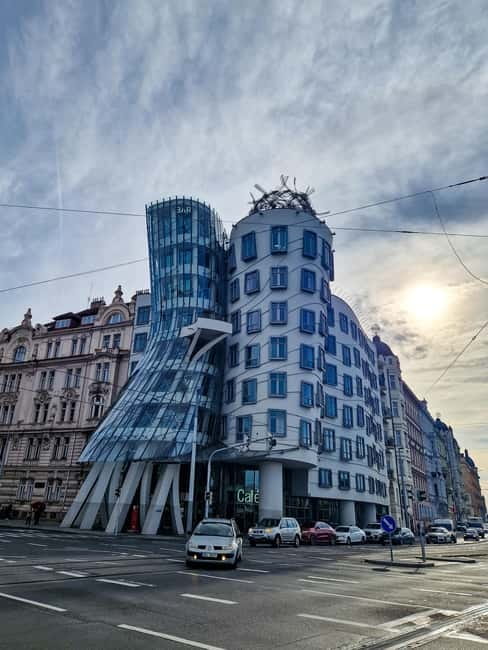
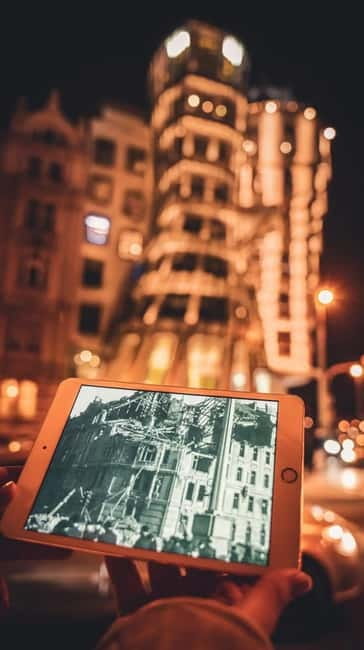
- Check the end point and access details: The route lists Dancing House as the finish, while the meeting information says the activity ends back at the meeting point.
Why Prague’s WWII story works best on foot
Prague can look almost untouched at first glance. That is part of what makes this subject so powerful. A street, square, or church can appear ordinary until a guide explains what happened there during Nazi occupation, resistance activity, and the final days of the war.
This tour uses the city itself as the setting. Rather than sitting in a museum for two hours, you move through central Prague while the historian builds a timeline around you. The format suits me because the stories stay tied to real places. You are not simply memorizing dates. You are standing where decisions, attacks, arrests, and acts of courage unfolded.
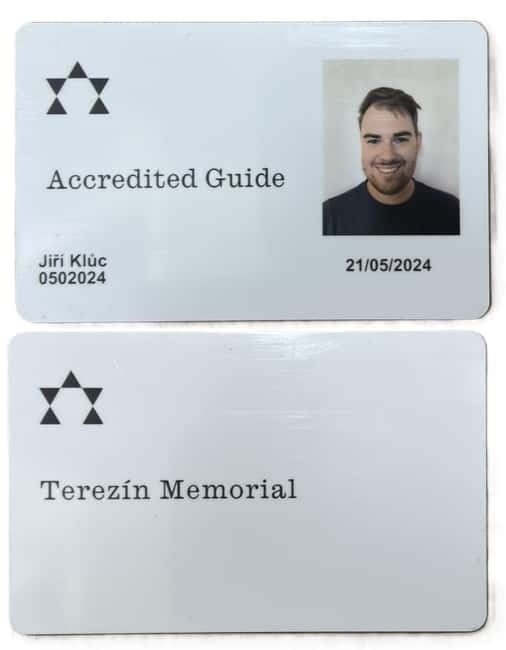
The tour is led in English by a local historian. Gerry and Jiri are the guides named for this experience, and both are described as strong storytellers with a personal approach. Gerry has also worked to gather accounts from people who survived the war. That matters because local history is often strongest when it includes ordinary people, not only commanders and political leaders.
You should expect a serious tour. The subject includes Nazi terror, the Holocaust, assassination, repression, and death. It is not designed as a light sightseeing walk with a few wartime facts added in. If you want to understand why Prague’s streets carry such emotional weight, this is the right tone.
More World War II tours in Prague:
- Prague: WWII Guided Tour & The Crypt of Operation Anthropoid
★ 4.7 · 1,030 reviews - WWII in Prague Tour & The Crypt of Operation Anthropoid
★ 5.0 · 817 reviews - Small-Group World War 2 & Operation Anthropoid Tour in Prague
★ 5.0 · 231 reviews
Starting at Saint Wenceslas on Wenceslas Square
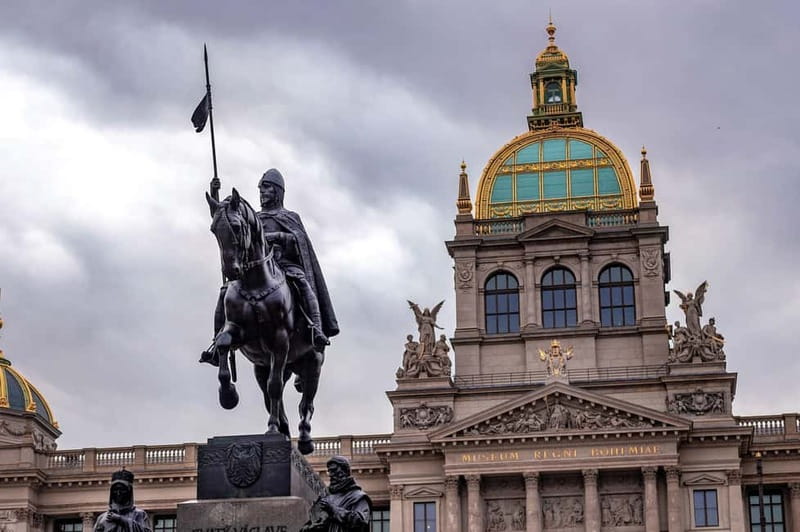
The meeting point is the Statue of Saint Wenceslas, in front of the National Museum on Wenceslas Square. A nearby McDonald’s gives you an easy landmark, which is useful in this broad and busy part of central Prague.
Wenceslas Square is a practical starting point because it places you in the center of modern Czech public life. The tour begins here and then leads you into the wartime story. You will want to arrive a little early, since the group is small and the guide needs to identify the right participants before setting off.
The square is also a reminder that Prague’s history did not stop in 1939 or end in 1945. Political power, public protest, occupation, and national identity all meet in this part of the city. The guide uses that setting to give the tour a wider frame before moving toward the specific story of resistance.
You receive a Prague public transport ticket as part of the experience. The information does not specify exactly when or how it is used, so ask the guide at the start if you want to understand the transport portion of the route. The ticket is a useful inclusion, especially if the itinerary combines walking with a short ride.
Reinhard Heydrich and the danger of Operation Anthropoid
The central chapter is the killing of Reinhard Heydrich, often called the Butcher of Prague. He was one of the Nazi regime’s most powerful figures and a major planner of its mass murder. The tour presents his role in the occupation and explains why his death mattered far beyond Prague.
You follow the story of Operation Anthropoid, the resistance mission aimed at Heydrich. Its importance lies not only in the successful attack, but also in the danger faced by the people who planned, carried out, and supported it. This was an act of resistance against a system that used terror and collective punishment.
The guide’s job here is especially important. A quick account can reduce the event to an assassination and a date. A good historian explains the choices, risks, and consequences. Gerry and Jiri are praised for making the city and its sights come alive through personal, passionate storytelling, which is exactly the approach this part needs.
The tour also makes clear why Heydrich’s death is described as such a major event in WWII resistance. He was among the highest-ranking Nazi officials killed during the war. That fact gives the Prague story international importance, but the walk keeps the focus on the local people and places involved.
The Parachutists Church and its bullet holes
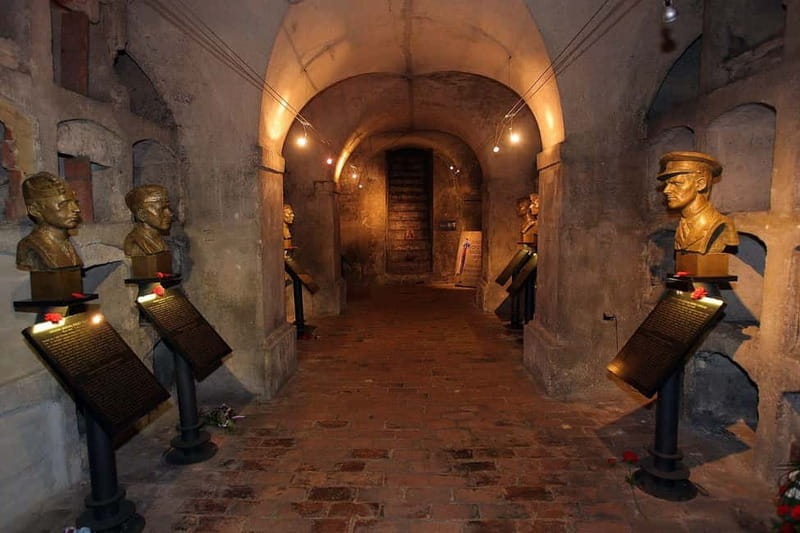
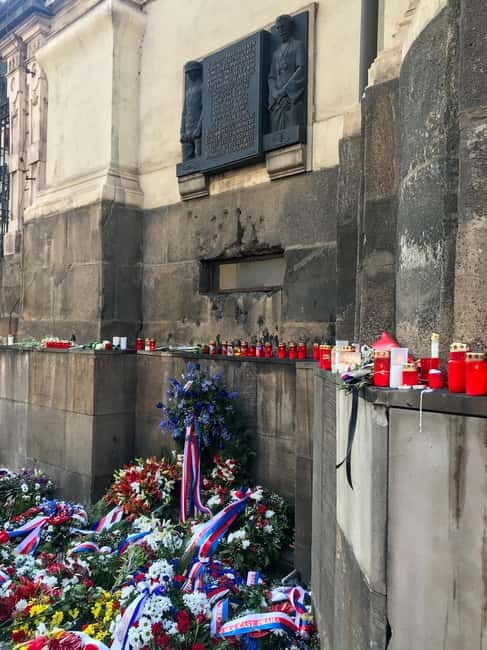
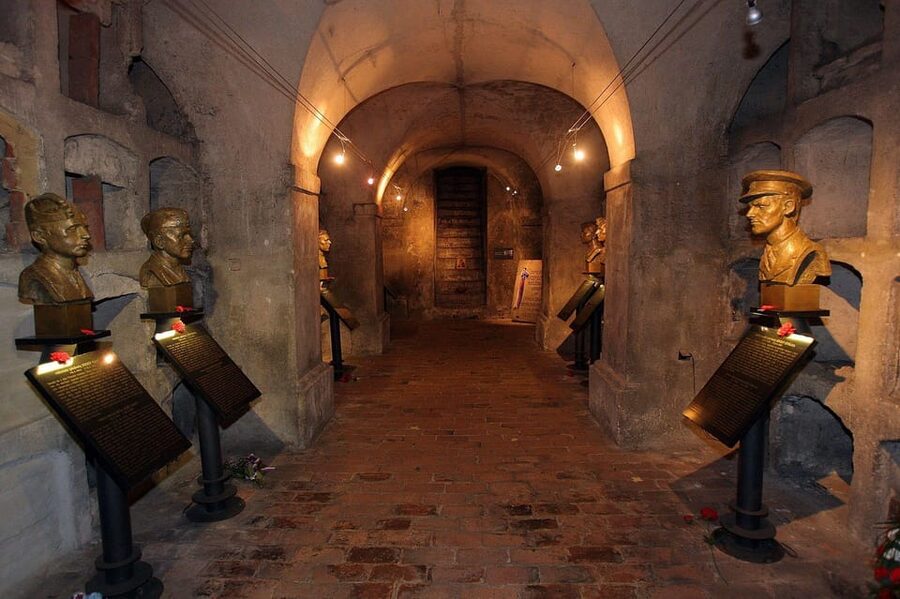
The church connected with the paratroopers is the emotional center of the tour. You enter the church as part of the experience, rather than simply viewing it from outside. The visit includes unusual bullet holes, physical marks that help you grasp the final confrontation in a way a photograph cannot.
This stop is valuable because it narrows the scale of the story. Political history can feel distant. Inside the church, the fate of the people involved becomes immediate. You are looking at a real place that carries evidence of the final stand.
The church visit is also where the tour’s walking format pays off. You have heard about the operation, followed its outcome, and now stand at one of the key locations. The guide can connect the physical details to the wider story of resistance, betrayal, courage, and Nazi retaliation.
Allow time for the stop to feel heavy. This is not a quick photo opportunity. The information provided does not give an exact amount of time inside the church, but the church is a named part of the two-and-a-half-hour route. If you prefer a fast sightseeing pace, the subject may feel intense. If you want a meaningful historical visit, it is likely to be the part you remember most.
Same city, a completely different afternoon:
- Prague: 50-Minute Sightseeing Evening Cruise
★ 4.2 · 33,780 reviews - Prague: Medieval Dinner with Unlimited Drinks
★ 4.4 · 19,847 reviews - Prague: Skip-the-line Castle Ticket and Optional AudioGuide
★ 4.3 · 11,121 reviews - Prague: Castle Tour with Local Guide and Entry Ticket
★ 4.6 · 10,422 reviews
Nicholas Winton and the children saved by train
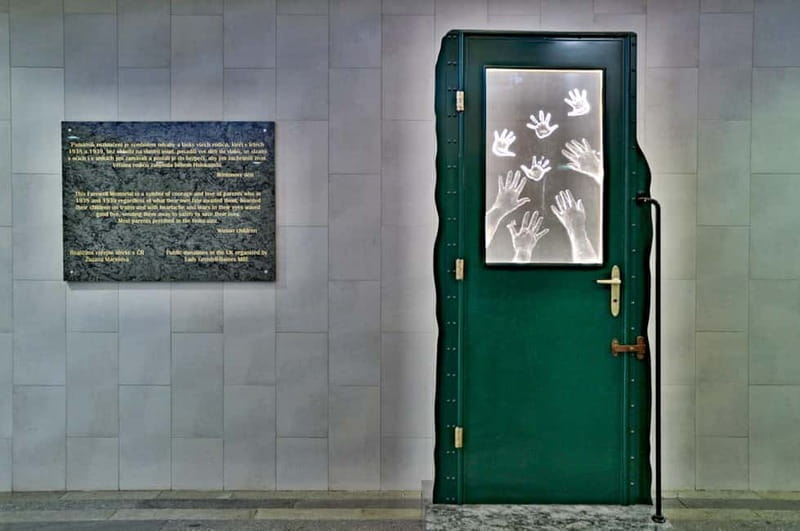
The tour does not limit WWII history to military resistance. It also tells the story of Nicholas Winton, who helped save 669 Jewish children through the Kindertransports.
This addition gives the walk a different emotional register. Operation Anthropoid is a story of armed resistance and sacrifice. Winton’s story is about organization, persistence, and rescuing children from a growing threat. Putting both stories in the same tour helps you see that resistance took many forms.
The connection to the film One Life may help you recognize the story, but you do not need to know the movie beforehand. The guide presents Winton as part of Prague’s wartime human story, not as a separate celebrity anecdote.
For me, this is one of the tour’s strongest choices. A WWII walk can become too focused on battles, leaders, and weapons. The Kindertransport story brings attention back to children and families. It also shows how one person’s work could affect hundreds of lives, even when the broader political situation was grim.
Prague under occupation and the 1945 uprising
The tour also covers the Czech national uprising in 1945. This was the final period of the occupation, when Prague became the scene of open revolt as the war neared its end.
The uprising helps complete the timeline. You begin with Nazi control and the resistance against it, then move toward the moment when Czech people openly challenged the occupying power. The subject is not presented as a clean, simple liberation story. A guide is needed to explain how the city reached that point and what the uprising meant to its residents.
The tour’s title may lead you to expect only famous figures and major operations. The uprising section widens the frame to include national action and the city’s response. It helps you understand Prague as a place where the war affected public life, not just secret resistance groups.
Because the entire tour lasts 2.5 hours, this section will necessarily be selective. You should not expect every phase of the uprising or a full military account. Instead, you get a guided explanation of why 1945 was a turning point for Prague.
The bombing of Prague and the former Gestapo headquarters
Another subject is the American bombing of Prague in 1945. This may surprise visitors who picture the city as having escaped the worst wartime destruction. The tour uses the bombing to challenge that assumption and show that Prague’s wartime experience included danger from the air as well as repression on the ground.
The former Gestapo headquarters adds another dark layer. This location represents the machinery of occupation, surveillance, interrogation, and fear. It is a useful counterpoint to the church and resistance sites. One place shows people fighting back. The other points to the system they were fighting.
The available information does not give a full description of the building interior or confirm that you enter it. Expect the guide to discuss the former headquarters as part of the route rather than assume an interior visit. That distinction matters if you are planning the tour around museum-style access.
These two subjects also show why a local historian can add value. Prague’s wartime story is not only a sequence of famous names. It includes places that can be easy to pass without realizing what they represent. The guide supplies the connections.
A small group changes the feel of the walk
A maximum of seven participants is a real advantage here. Small groups make it easier to hear in city streets, ask direct questions, and pause when a story needs more explanation. You are less likely to feel like one person in a crowd moving from stop to stop.
The individual approach is especially useful for a subject with complicated names and events. You may want to ask about Heydrich’s role, the paratroopers, Winton, or the uprising. With a large group, those questions often disappear into the schedule. With seven people, the historian can respond more naturally.
The small size does not guarantee a private tour. Other participants will still shape the conversation, and the experience depends on the guide assigned that day. Still, the format gives Gerry or Jiri room to tell stories rather than deliver a fixed speech at maximum volume.
The strongest praise for this experience centers on the guides’ subject knowledge and storytelling. Gerry’s work with war survivors adds a human source to the tour, while Jiri is described as a natural storyteller who makes the sights feel personal. Those details point to the main reason to book: not simply the route, but the way the historian connects each place to the people who lived through the period.
Price, pace, and practical value at $61
At $61 per person, the tour is priced above a basic city walking tour, but the comparison is not quite fair. The fee includes a local historian, a Prague public transport ticket, church entrance, water, and taxes. More important, you are paying for a specialist subject in a group limited to seven.
If you already plan to visit the church and know the main facts about Operation Anthropoid, you may find the price less compelling. You could see some locations on your own, but you would lose the connected story and the chance to ask a local historian questions.
For most people interested in WWII, the value comes from interpretation. The tour links Heydrich, the paratroopers, the church, Winton, the uprising, the bombing, and the Gestapo headquarters into one narrative. That is difficult to reproduce with scattered online research during a short city break.
The pace is brisk because the tour lasts only 2.5 hours and covers several subjects. Wear comfortable shoes and be ready to walk through central Prague. The supplied information does not state the exact distance or number of transport rides, so do not assume this is a fully stationary church visit.
The tour is offered in English. Water is included, which is a small but useful touch during a walking experience. Free cancellation is available up to 24 hours in advance, and you can reserve now while paying later. Those terms help if your Prague schedule is still changing.
Who should book this WWII tour?
I would recommend it to adults and older teenagers with a serious interest in WWII, Czech resistance, Jewish history, or the story of Prague under Nazi occupation. The minimum age is 10, but the themes are difficult, so parents should decide if the material suits their child.
It is also a good choice if you have already seen Prague’s main landmarks and want a subject-led walk. The guide gives you a reason to look at familiar streets differently. History students, teachers, and anyone who prefers people-centered stories will get the most from it.
I would not choose it for a relaxed family outing, a casual first introduction to Prague, or a tour built around architecture and food. The experience is focused and emotionally serious. It also may not suit you if you have mobility limitations. The information describes the activity as wheelchair accessible in one place, but separately says it is not suitable for wheelchair users or people with mobility impairments. Confirm directly before booking.
There is also a small logistical inconsistency about the finish. The route lists Dancing House as the endpoint, while the meeting information says the activity ends back at the meeting point. Ask for the confirmed finish location before you go, especially if you are booking another activity afterward.
Should you book it?
Book this tour if you want Prague’s WWII story told by a local historian rather than reduced to a few dates on a plaque. The church visit, Operation Anthropoid, Nicholas Winton, the 1945 uprising, and the bombing of Prague give you a broad subject in a manageable two-and-a-half-hour format.
The best reason to choose it is the small group and the personal guide style associated with Gerry and Jiri. The main caution is the pace and subject matter. You will cover a lot, and some parts are painful to hear.
At $61, it is good value for a specialist walk with transport and church admission included, especially if you would otherwise struggle to connect the sites on your own. Confirm the endpoint and accessibility details before paying, then book it if the history matters more to you than a gentle sightseeing stroll.
FAQ
How long does the WWII tour last?
The tour lasts 2.5 hours.
Where does the tour begin?
It begins at the Statue of Saint Wenceslas on Wenceslas Square, in front of the National Museum. McDonald’s nearby is given as an additional landmark.
Where does the tour finish?
The route lists Dancing House as the finish. The meeting information also says the activity ends back at the meeting point, so confirm the final location with the provider.
What language is the tour in?
The live tour is conducted in English.
How many people are in the group?
The group is limited to seven participants.
Is entrance to the Parachutists Church included?
Yes. Entrance to the church is included in the tour price.
Is public transportation included?
Yes. A Prague public transport ticket is included.
Can children join the tour?
Children under 10 are not permitted. The tour includes serious WWII subjects, so parents should also consider whether the material is suitable for older children.
Can I cancel the booking?
You can cancel up to 24 hours in advance for a full refund. You can also reserve now and pay later.
Just added around Prague
- World War II 4WD Tour from Prague with Lunch★ 4.4 · 3 reviews
- Prague: Historical Walking Tour with Focus on World War 2★ 4.3 · 12 reviews
- WWII and Communism History in Prague’s Old Town Private Tour★ 5.0 · 4 reviews
- Unique salt cave in Prague★ 4.9 · 10 reviews
- Walking tour of Prague in French : Nové Město★ 4.9 · 16 reviews
- Walking tour of Prague in french: Old Town & Charles Bridge★ 4.9 · 62 reviews
- Prague: Market Tour and Traditional Czech Cooking Class★ 4.7 · 19 reviews
- Ultimate Unlimited Beer Pong with Czech Beer★ 4.6 · 5 reviews
Prague World War II Tours, compared.
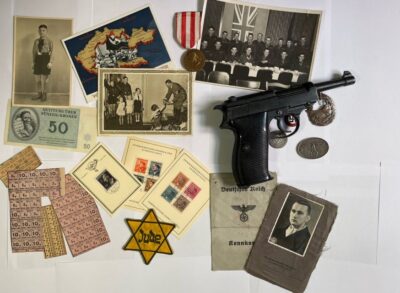
WWII Guided Tour & The Crypt of Operation Anthropoid
Read our review →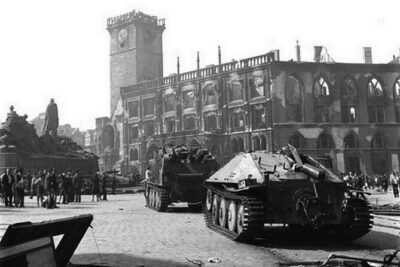
WWII in Prague Tour & The Crypt of Operation Anthropoid
Read our review →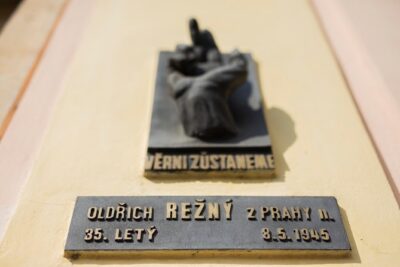
Small-Group World War 2 & Operation Anthropoid Tour in Prague
Read our review →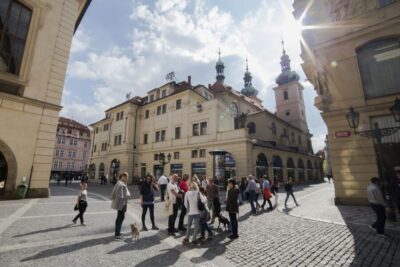
World War 2 and Operation Anthropoid Walking Tour
Read our review →
Browse the lists this tour appears in