
Reviewed · PRAGUE COMMUNISM HISTORY TOURS
Back to Communism Walking Tour
Prague’s communist past feels most real when you are standing where it happened. This two-hour walk links the former secret police headquarters with Wenceslas Square and Národní třída, using streets and memorials to explain life behind the Iron Curtain and the events that ended it.
I like the small maximum of 15 people, which gives you room to ask direct questions. I also like that the tour is led by Czech guides who have personal experience of the period, including Petr, Daniel, and Marek. The main drawback is simple: this is an outdoor history walk, so cold or wet weather can make the two hours feel long.
Key points to know before booking
- Former secret police headquarters: Begin at Bartolomějská, once the headquarters of the Czechoslovak secret police.
- Personal Czech perspective: Guides explain what daily life under communism felt like, not just what happened in books.
- Three meaningful central Prague stops: The route covers Bartolomějská, Wenceslas Square, and the memorial on Národní třída.
- Small-group format: The group is limited to 15 people, useful for questions and a more personal discussion.
- A walk through the Velvet Revolution: Národní třída marks one of the key moments in modern Czech history.
- Outdoor conditions matter: Wear comfortable shoes and check the forecast, since the entire activity takes place on foot.
Why Prague’s communist past works best on foot
This tour focuses on a period that can be hard to understand from a museum display alone. Communist rule shaped work, travel, public speech, policing, and everyday choices. A walk through the city helps connect those broad subjects to actual streets and buildings.
The route is also short enough to fit neatly into a day of sightseeing. At about two hours, it does not take over your schedule, yet it gives you time to ask questions and pause at three important places. You finish where you started, which makes the walk easy to fit before or after another central Prague activity.
I would not choose this tour simply to see famous architecture. Its value lies in the stories attached to ordinary streets. The setting helps you understand how public spaces could become places of protest, fear, and sudden political change.
The guides bring an added layer because some have lived through part of the communist period. Petr, Daniel, and Marek have led this experience, and each has been described as clear, engaged, and able to explain the subject in detail. The exact guide for your departure is not specified, so you should book for the subject itself rather than for one particular person.
More communism history tours in Prague:
- Prague: Communism History and Nuclear Bunker Guided Tour
★ 4.7 · 2,417 reviews - Prague Communism History and Nuclear Bunker Tour
★ 5.0 · 1,742 reviews - Communism & Nuclear Bunker Tour + 70s Canteen Lunch (own expense)
★ 5.0 · 1,036 reviews
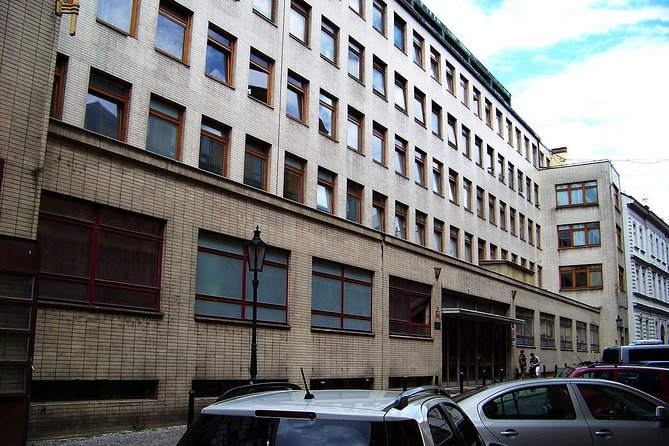
Bartolomějská and the former secret police headquarters
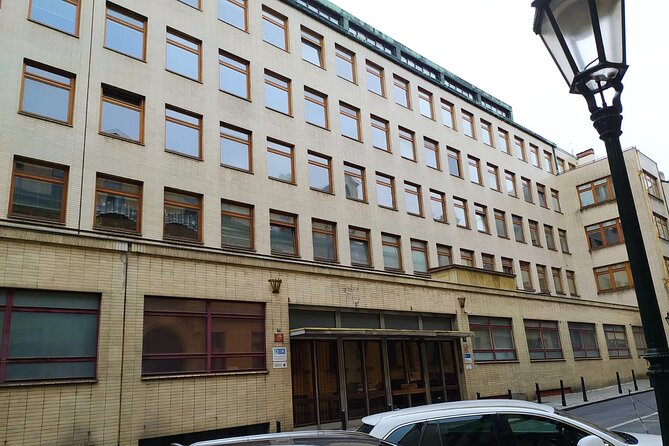
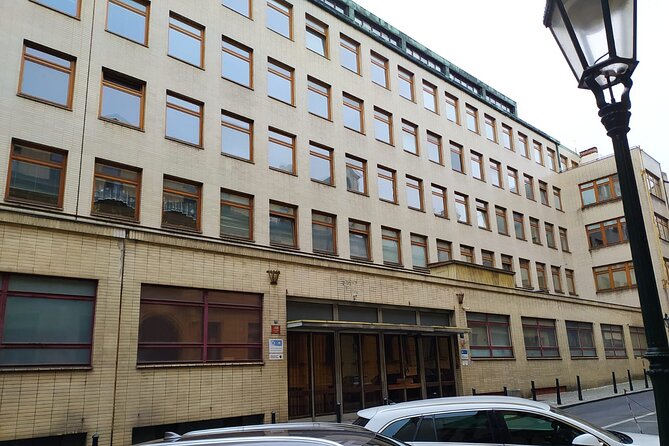
The first stop is Bartolomějská, home to the former headquarters of the Czechoslovak secret police. You spend about five minutes here, with no admission charge.
That may sound brief, but the location carries real weight. The secret police represented the state’s power to watch, question, intimidate, and control. Standing outside the former headquarters gives the guide a clear place to explain how political policing fit into communist rule.
Do not expect a long indoor visit or a museum-style display at this stop. The supplied details identify it as a five-minute outdoor stop, so its purpose is orientation and context. You are looking at a site connected to state surveillance, then hearing how that system affected people beyond the building itself.
This is a good example of why the walking format works. A building can look ordinary until you know what happened there. The guide’s explanation turns a passing Prague street into part of the country’s recent political story.
Because the visit is short, listen closely and use the question time well. If you want detailed information about secret police methods, arrests, or individual cases, ask directly. The small group makes that possible without holding up a large crowd.
Wenceslas Square, where public space became political
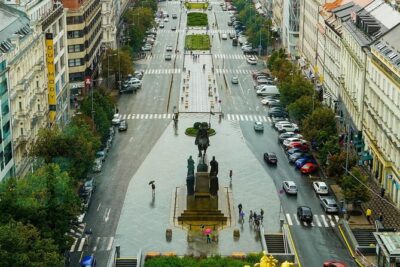
The next stop is Wenceslas Square, with about 15 minutes set aside for discussion. This is the longest stop on the route, and it is likely to carry much of the tour’s wider explanation of communist-era Prague.
Wenceslas Square has seen major events in Czech history. Here, the guide connects the square to the recent past and to experiences from the communist period. The strength of the stop is the setting itself: you are not hearing about political change in an abstract classroom. You are standing in a place where public gatherings and national events took place.
The guide’s personal perspective matters most here. Dates and slogans can be memorized, but daily life is harder to picture. A local guide who experienced part of that era can explain the human side of the system, including what it meant to live with official ideology and limits on freedom.
The information provided does not promise a fixed list of specific events or buildings around the square. That means the exact conversation may depend on the guide and on your questions. I see that as a benefit for curious visitors, but less so if you want a tightly scripted political timeline.
Give yourself space to look around while listening. Wenceslas Square is a large public place, and it can be easy to focus only on the guide. The point is to connect the square’s physical scale with its role as a place where public life could turn political.
Národní třída and the hands reaching from the wall
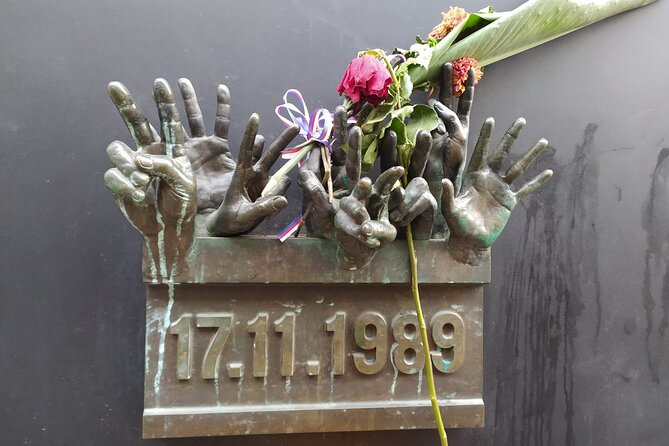
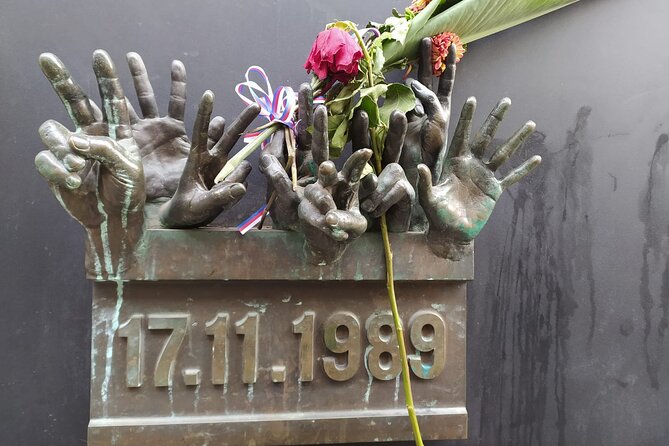
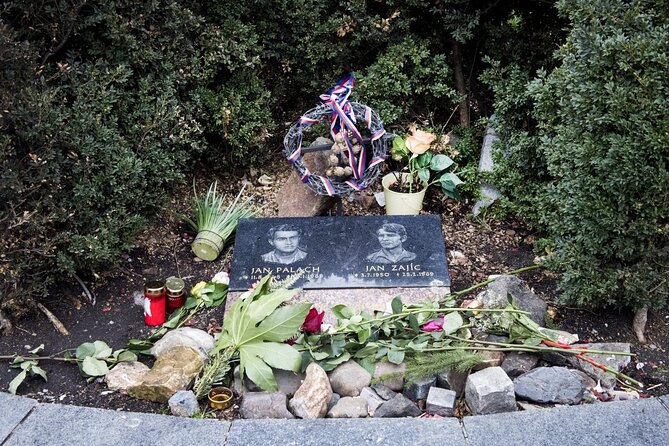
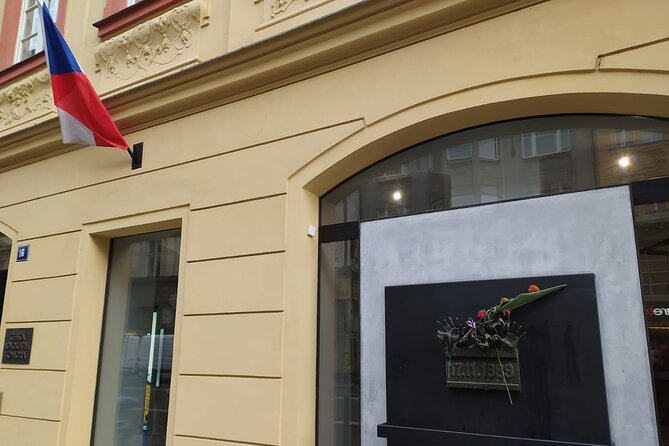
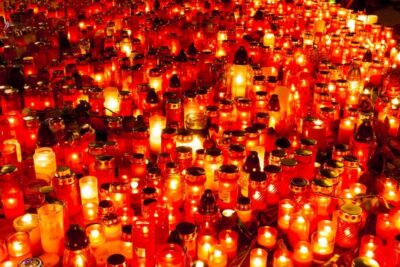
The final listed stop is on Národní třída, where hands reach from a wall in a memorial to people affected by the Velvet Revolution. You spend about 10 minutes here.
This stop deals with the moment when communist rule began to collapse in Czechoslovakia. The guide explains why the Velvet Revolution remains one of the strongest moments in modern Czech history. The memorial gives that explanation a visible focus, so you can connect the political story with a specific place of remembrance.
The reviews supplied for the experience also refer to scratches left by Soviet bullets. The tour materials do not give a full explanation of the exact location or story behind those marks, so ask the guide about them if they are discussed during your visit. That detail points to the kind of physical evidence that can make this subject feel immediate.
Národní třída is also where the tour’s tone may shift. The first stop introduces surveillance, the second explores life and public events under communist rule, and the final stop brings you to opposition and change. In only two hours, the route gives you a clear beginning, middle, and end.
Some of the commentary can feel emotionally heavy. The word freezing appears often in the supplied comments, and it refers to the grim nature of the stories rather than just the weather. This is not a light sightseeing walk, though the guide’s style may include warmth and humor between serious subjects.
More walking tours in Prague:
- Prague: 3-Hour Walking Tour of Old Town & Prague Castle
★ 4.7 · 5,696 reviews - Prague: Ghost Walking Tour Where Legends Come To Life
★ 4.4 · 5,253 reviews - Prague: Jewish Quarter Walking Tour with Admission Tickets
★ 4.7 · 3,729 reviews - Prague Guided Walking Tour and Cruise with Authentic Czech Lunch
★ 5.0 · 3,627 reviews
How much value do you get for $44.22?
At $44.22 per person, this is not the cheapest way to spend two hours in Prague. You are paying for a specialist local guide, a small group, and direct conversation rather than for entry to a major attraction.
That price can make sense if you want historical context that you could not easily gather by walking these streets alone. All three listed stops have free admission, so the fee is mainly for the guide’s time, interpretation, and personal connection to the subject.
The group limit of 15 improves the value. A very large group can make a serious history walk feel distant. Here, you have a better chance to hear clearly and ask about details that matter to you. The experience includes both a local guide and a professional guide, though the supplied information does not explain whether two people lead each departure or how those roles are divided.
I would book it if communist-era history is a major reason for your Prague visit. If you only want a general introduction to the city, a broader walking tour may give you more landmarks for the same amount of time.
Who will get the most from this walk?
This experience suits you if you enjoy political history, personal stories, and active sightseeing. It is also a good fit if you have visited Prague before and want to look at familiar central streets through a different lens.
It may be especially useful if you grew up during the Cold War or in a country that stood on the other side of the political divide. One account describes joining out of curiosity about how life was experienced in Czechoslovakia, and that is a sensible reason to choose this tour. The guide can help you compare broad Cold War ideas with local experience.
You should also consider it if you want to ask questions. The small-group format is more useful for discussion than a crowded coach tour. Guides such as Petr, Daniel, and Marek have been praised for clear explanations, strong subject knowledge, and personal experience of the era.
Families can join, but children must be accompanied by an adult. The subject includes political repression, conflict, and difficult memories, so parents should decide if the material suits their children.
Most people can take part, and service animals are allowed. The activity is near public transportation, but it is still a walking tour, so comfortable footwear is sensible. The tour details do not provide a distance or a list of steep sections, so anyone with specific mobility concerns should ask the provider before booking.
Timing, group size, and practical planning
The meeting point is Na Příkopě 864/28 in Nové Město, Prague 1. The walk ends back at the same point, which makes planning easier and avoids leaving you in an unfamiliar part of the city.
You receive a mobile ticket, and the activity is offered in English. Confirmation arrives when you book. The maximum group size is 15, a useful number for a subject that depends on conversation.
Plan on being outside for the full two hours. The stops are close enough to form a compact central Prague route, but the details provided do not give exact walking distances or a weather shelter. The cold conditions mentioned in the supplied comments are a real planning point, not a minor footnote. Wear layers, and bring protection from rain if the forecast calls for it.
Free cancellation is available up to 24 hours before the start time for a full refund. Cancellations or changes made less than 24 hours before the start are not accepted for a refund, and the cut-off follows local Prague time.
How this experience compares with a standard city walk
A standard Prague walk usually spreads its attention across architecture, major squares, churches, and older history. This experience narrows the subject to the communist period and the political changes that followed.
That narrow focus is its strength. You get more time for explanation and questions, and the guide can discuss what the period felt like in everyday life. The tradeoff is that you see fewer classic sights and spend less time on Prague’s medieval and imperial past.
I would not use this as your only walking tour if Prague is new to you. Pair it with a general city walk, then take this tour once you have a basic sense of the center. Familiarity with the streets will make the political stories easier to follow.
The tour also avoids the problem of history presented as a simple victory story. The route includes surveillance, public fear, protest, and political change. The supplied comments suggest that the guides connect the past to present concerns without turning the walk into a partisan speech. Still, the subject is political, and you should expect serious discussion rather than a neutral list of dates.
Should you book the Back to Communism Walking Tour?
Book it if you want a focused look at Prague’s communist era, prefer a small group, and value a guide who can speak from personal experience. The former secret police headquarters, Wenceslas Square, and the Národní třída memorial create a strong two-hour route with no admission fees to worry about.
Skip it if you want interiors, extensive sightseeing, or a light introduction to Prague. The walk is outdoors, the subject can be grim, and the $44.22 price is mainly paying for interpretation rather than attractions.
For the right audience, I think the format is effective. You leave with more than a few dates: you see how ordinary places can carry fear, protest, and memory. Bring warm clothes, arrive ready to ask questions, and allow the guide’s personal account to shape how you read modern Prague.
FAQ
How long does the Back to Communism Walking Tour last?
The tour lasts approximately two hours.
What language is the tour offered in?
The tour is offered in English.
How much does the tour cost?
The listed price is $44.22 per person.
Where does the tour begin?
The meeting point is Na Příkopě 864/28, Nové Město, 110 00 Praha, Prague 1, Czechia.
Where does the tour end?
The activity ends back at the meeting point.
How many people can join the tour?
The group has a maximum of 15 people.
Which places are visited?
The route includes Bartolomějská, the former headquarters of the Czechoslovak secret police, Wenceslas Square, and the hands-reaching memorial on Národní třída.
Are children allowed to join?
Yes. Children must be accompanied by an adult.
Can I cancel for a full refund?
Yes. You can cancel at least 24 hours before the start time for a full refund. Cancellations or changes made less than 24 hours before the start are not accepted for a refund.
Just added around Prague
- Prague: Historical Walking Tour with Focus on World War 2★ 4.3 · 12 reviews
- WWII and Communism History in Prague’s Old Town Private Tour★ 5.0 · 4 reviews
- World War II 4WD Tour from Prague with Lunch★ 4.4 · 3 reviews
- Unique salt cave in Prague★ 4.9 · 10 reviews
- Walking tour of Prague in French : Nové Město★ 4.9 · 16 reviews
- Walking tour of Prague in french: Old Town & Charles Bridge★ 4.9 · 62 reviews
- Ultimate Unlimited Beer Pong with Czech Beer★ 4.6 · 5 reviews
- Prague: Market Tour and Traditional Czech Cooking Class★ 4.7 · 19 reviews
Prague Communism History Tours, compared.
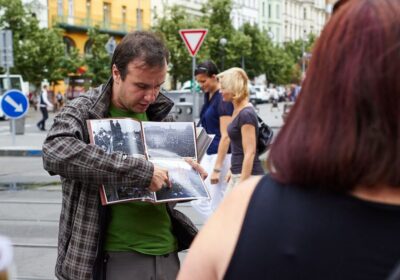
Communism History and Nuclear Bunker Guided Tour
Read our review →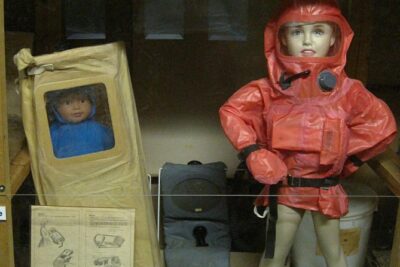
Prague Communism History and Nuclear Bunker Tour
Read our review →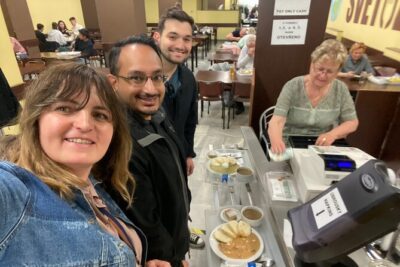
Communism & Nuclear Bunker Tour + 70s Canteen Lunch (own expense)
Read our review →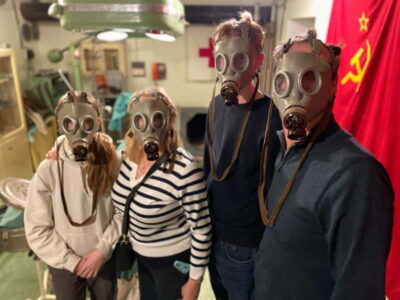
Communism and Bunker Tour with 70s Canteen Lunch
Read our review →
Second World War & Communism (Tip-based 3 hour tour)
Read our review →Browse the lists this tour appears in