
Reviewed · WALKING TOURS
Private Prague Renaissance & Baroque Gardens Walking Tour
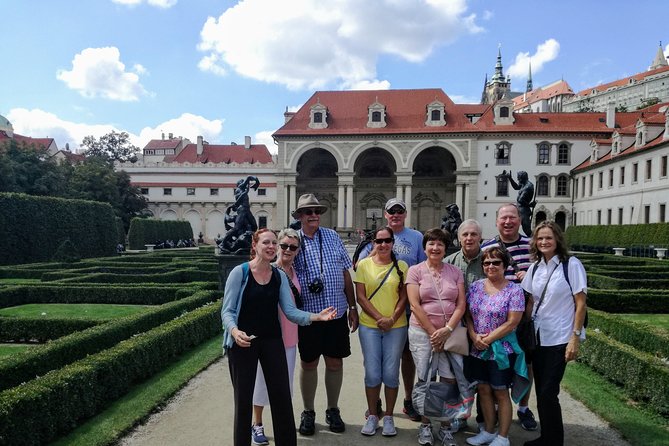
Prague’s grandest gardens tell a quieter story than its churches and bridges. On this private walk, you’ll follow royal gardeners, Renaissance architects, and Baroque princes from Queen Anne’s Summer Palace to the terraced Vrtba Garden, with fine city views along the way. The stories are unusually specific, from the first Central European orange trees to a Turkish gift of tulip bulbs.
I like two things right away: the private format, which gives you room to ask questions, and the scholar guide, who adds meaning to statues, fountains, and palace walls rather than simply naming them. Bonita receives special praise for her sharp eye and strong storytelling. The main drawback is practical: two gardens require paid admission, and Vrtba’s upper terrace involves steep stairs.
Key points to know
- A private three-hour route: Only your group takes part, with space for up to 10 people.
- Royal garden history: See Queen Anne’s Summer Palace, the Royal Garden, the Ball Game Hall, and the former Stag Moat area.
- A tulip story with a Prague connection: Learn how a gift from the Turkish Sultan helped start a European tulip craze.
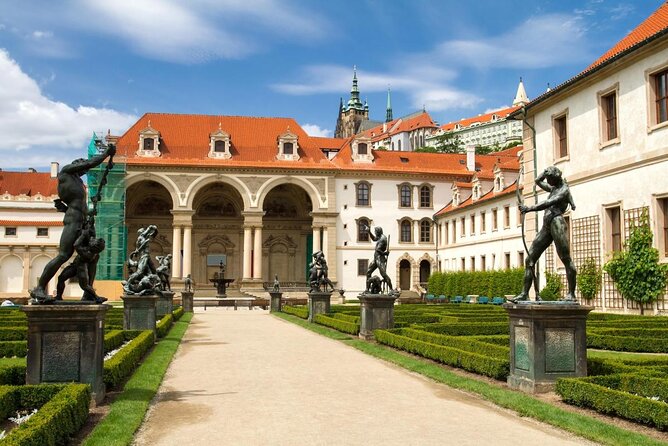
- Wallenstein’s theatrical garden: Look for albino peacocks, a grotto, mythological statues, and fountains.
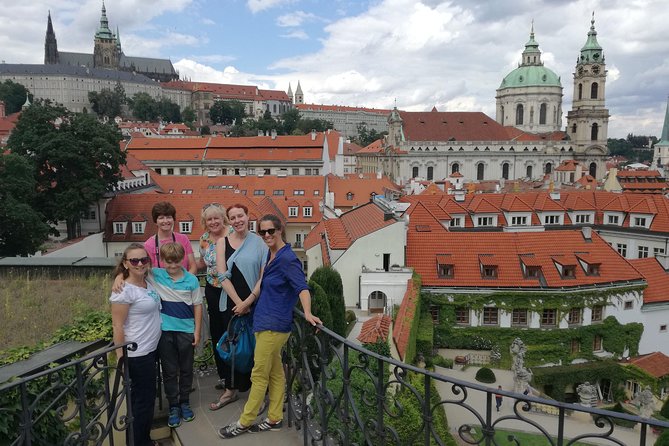
- Vrtba’s city view: Finish in one of Prague’s finest Baroque gardens, with a high terrace facing Prague Castle and the city.
- Seasonal limits matter: The gardens are closed from November through March.
Why Prague’s gardens deserve three hours
Many first-time visits to Prague focus on the Old Town Square, Charles Bridge, and Prague Castle’s interiors. Those places deserve attention, but the gardens offer a different view of the city. Here, you see how rulers used plants, sculpture, architecture, and water to display wealth and power.
This tour links several garden styles in a single route. You begin with Renaissance ideas inspired by Italy, move through the grander theatrical style of the Baroque, and finish with a compact walled garden that feels almost secretive despite its central location.
The route is also useful for understanding Prague Castle from the outside. Instead of spending the whole time in crowded courtyards, you look at the spaces where royal residents walked, gardeners worked, and court life unfolded. A good guide can make an ornamental frieze or a strange statue much easier to read, and that is where the scholar-led format earns its keep.
The price is $397.36 for a private group of up to 10. For one or two people, that is a serious expense. For a larger family or group of friends, the per-person cost becomes much more reasonable, especially if you value a guide focused only on your party. You are paying for a tailored outing, not a basic public walk.
More walking tours in Prague:
- Prague: 3-Hour Walking Tour of Old Town & Prague Castle
★ 4.7 · 5,696 reviews - Prague: Ghost Walking Tour Where Legends Come To Life
★ 4.4 · 5,253 reviews - Prague: Jewish Quarter Walking Tour with Admission Tickets
★ 4.7 · 3,729 reviews
Starting at Malá Strana and riding tram 22
The usual meeting point is in front of Bagel Lounge Malostranská on Letenská in Malá Strana. Pickup from a central hotel or flat is offered if you provide the address in advance. Otherwise, meet the guide at the stated meeting point.
After meeting, the group rides tram 22 together to reach the Castle Gardens. This is a useful part of the plan, not an awkward transfer. You get a short look at Prague’s everyday public transport system, and the guide can keep the route moving rather than spending the entire three hours on foot between distant starting points.
The tour ends back at the meeting point, in the heart of Malá Strana. That gives you an easy place to continue toward Charles Bridge, Prague Castle, or the neighborhood’s restaurants and lanes after the walk.
The pace requires moderate physical fitness. You will walk through several gardens and climb stairs, with the steepest section at Vrtba Garden. If stairs are difficult for you, tell the operator ahead of time. The private format allows the route to be adjusted, and you can wait below while others reach the upper terrace.
Queen Anne’s Summer Palace and the Royal Garden
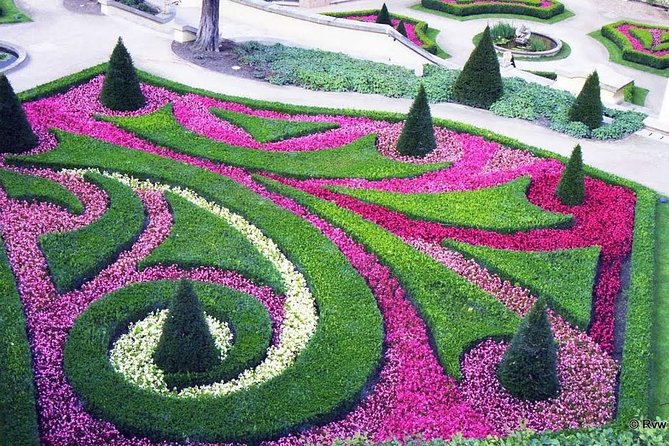
The Royal Garden was established in the 1500s on land that had once held medieval vineyards. It became a Renaissance showpiece filled with plants from distant places, including rare botanical specimens that would have seemed remarkable at the time.
The first stop takes about 15 minutes, so do not expect a long botanical tour. The point is the garden’s role in royal life and its early interest in unusual plants. Your guide can help you connect the formal setting with the ambitions of the Habsburg court.
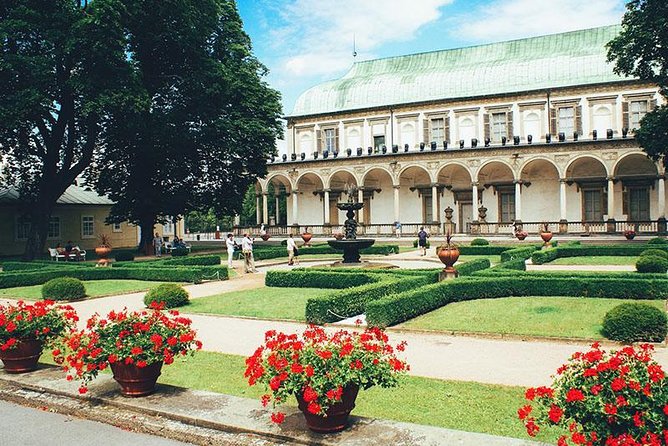
Nearby, Queen Anne’s Summer Palace offers one of the clearest Renaissance buildings outside Italy. It was completed in the middle of the 16th century for Ferdinand I and his wife, Queen Anna. The building’s arcades, Tuscan capitals, and decorative frieze reward a slower look than its five-minute visit suggests.
One detail is especially memorable. The reliefs show Ferdinand offering Queen Anna a fig tree blossom. That image connects the palace to the garden’s interest in exotic plants and to the larger theme of cultivated nature as a royal privilege.
The Fig House and Orangery add another layer. Gardeners worked here to coax exotic fruit trees into bloom for the first time in Central Europe. You are not simply looking at pretty buildings. You are seeing early attempts to control climate, cultivation, and imported plants long before modern garden technology.
The Ball Game Hall and the royal pleasure grounds
The Ball Game Hall sits on the south side of the Royal Garden, above the former Stag Moat. Built in the mid-1500s, it served first as a place for ball games and later as a riding school and stables.
This is a short stop, but it helps explain how a palace garden functioned. These grounds were not only for flowers and quiet walks. They included entertainment spaces, working areas, and buildings tied to court life.
The route also includes the bronze-cast Singing Fountain. Water and sound were important parts of Renaissance garden design, and the fountain gives you a sense of how these spaces were meant to engage more than one sense at a time.
The tulip story is another highlight. A Turkish Sultan sent tulip bulbs as a gift to the royal gardeners, helping spark a craze for the flowers. It is a small story with a wide reach, showing how diplomatic gifts could change European fashion and horticulture.
The tour may also touch on the castle courtyards, the South Gardens, and the Garden of Paradise before continuing toward the terraced gardens below the castle. The supplied route emphasizes the major garden spaces rather than every corner, so the exact time spent in each area can depend on access and the pace of your group.
A few more Prague outings worth weighing up
- Prague Old Town: Private Tour
★ 5.0 · 1,223 reviews - Prague Airport Private Arrival Transfer
★ 4.5 · 991 reviews - Prague Airport Private Departure Transfer
★ 4.5 · 780 reviews - Discover Prague Private Tour – 3 hours
★ 5.0 · 705 reviews
Wallenstein Garden’s statues, grotto, and peacocks
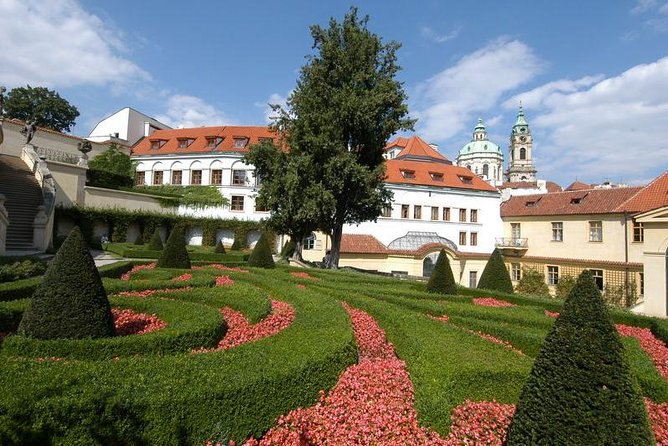
Wallenstein Garden, also called Waldstein Garden, brings you into a more theatrical world. Created in the 1600s for the Wallenstein Palace, it now serves as the gardens of the Czech Senate and is open to the public.
The garden uses an Italian-style plan, but its details are wonderfully strange. You may see albino peacocks, an aviary, an artificial grotto, mythological sculpture, and a fountain by Adrian de Vries. The sculptural gallery presents mythological heroes in a setting designed to impress and entertain.
The grotto is particularly different from the neat geometry of the Royal Garden. Its rough surfaces create a deliberate contrast with the ordered paths and formal planting. This combination of nature made theatrical is a clear sign that garden design was moving toward the more dramatic Baroque taste.
You have about 25 minutes here. That is enough for the major sights, but not enough for a leisurely independent wander through every path. If you enjoy sculpture, ask the guide to explain the figures and the work of Adrian de Vries. The private setting makes that sort of question easier than it would be in a large group.
The garden is free to enter, which helps balance the cost of the experience. Opening access can be seasonal or affected by official use, so the guide’s route may need to adapt. The tour takes place from morning or afternoon, and the private format offers some flexibility in how the time is used.
Vrtba Garden and Prague’s best final view
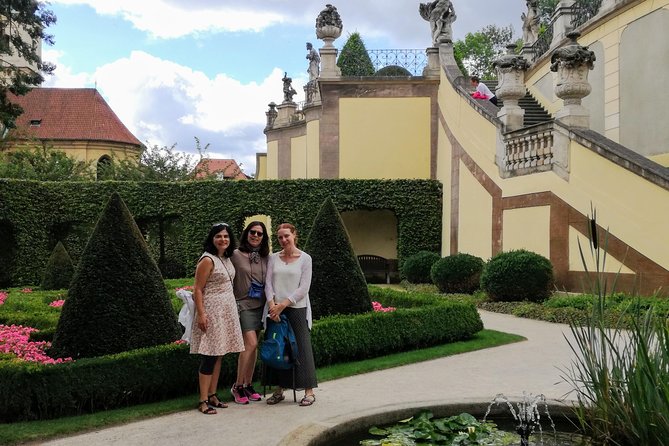
Vrtba Garden is the tour’s strongest finish. Created around 1720, it is a Baroque walled garden built on a slope below Prague Castle. Its terraces rise in a compact series, with sculpture and ornament arranged to make the climb part of the experience.
The lower sections introduce the garden’s formal design. As you climb, the city begins to open around you. From the upper courtyard, you get striking views toward Prague Castle and across the roofs of Prague.
The garden’s cultural importance comes from its original statuary, sculptural decoration, and carefully staged arrangement. Your guide can explain the symbols built into the garden rather than leaving you with a simple photo stop.
Plan on about 25 minutes here, including the climb. The stairs are steep in places, so comfortable shoes are sensible. If you have trouble climbing, you can wait below while the rest of your group reaches the top, or arrange a private route that fits your needs.
Vrtba admission is not included in the tour price. Admission to the gardens under Prague Castle is also not included. That is worth remembering when you compare the total cost with a standard sightseeing walk.
The garden is rarely included in a first-time Prague itinerary, which gives this tour a useful edge. You still get major sights, but the final stop is less predictable than another pass through the castle courtyards.
What the private guide adds
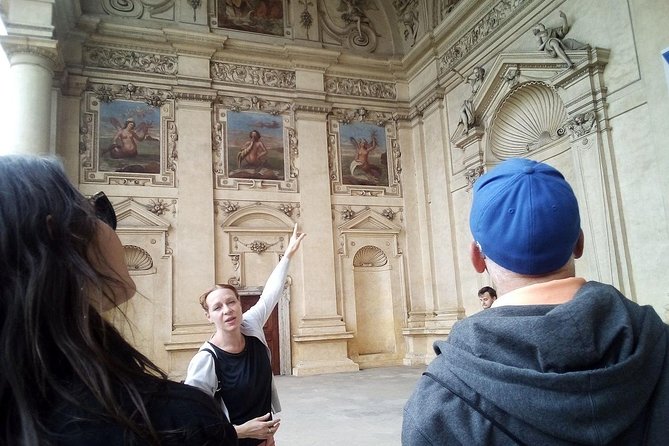
The strongest reason to book this experience is the guide, not simply the number of gardens. Plants, statues, and palace walls can look pleasant without making much sense. A scholar guide can show you why a fig blossom appears on a palace relief, why imported tulips mattered, and how Renaissance order gave way to Baroque drama.
Bonita receives especially strong praise for explaining details that are easy to miss. That kind of attention suits this route. The gardens are full of small visual clues, and a guide who notices them can turn a short walk into a more meaningful lesson in Prague’s court culture.
The private setup also helps if your group has different interests. You can ask for more architecture, more garden design, more political background, or more time with the sculpture. A group of 10 can stay together without the rigid feel of a large scheduled excursion.
Still, private does not mean entirely free-form. The tour lasts about three hours, and the gardens have fixed opening periods. You will need to keep moving between stops, especially if you want to see both castle gardens and Vrtba.
Price, timing, and practical tradeoffs
At $397.36 per group, the value depends heavily on your group size. One couple pays a premium for privacy and a scholar guide. A family or group of friends sharing the cost can find it more appealing, particularly if everyone wants a focused introduction to Prague’s gardens.
Morning and afternoon departures are available. Morning may suit you if you want cooler conditions and a full afternoon for the castle or Old Town. An afternoon start may fit better if you prefer a slower morning, though the garden schedule and season should guide your choice.
The gardens close during winter, from November through March. Do not book this as a cold-season alternative without checking the operating dates.
Free cancellation is available until 24 hours before the start time. Changes or cancellations inside that window are not refundable. The activity is offered in English, uses a mobile ticket, and confirmation arrives at booking.
Who should book this Prague garden walk
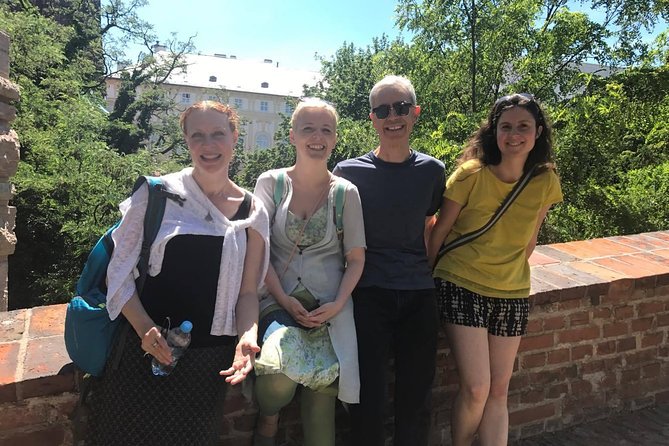
I would choose this tour if you have already seen Prague’s main landmarks, or if gardens, architecture, and court life interest you as much as famous churches. It is also a good fit for families or friends who want one guide for the entire group instead of splitting up.
You should be comfortable walking for three hours and climbing stairs. Vrtba’s upper terrace is the main physical challenge, while the tram ride helps reduce the amount of walking between the castle area and Malá Strana.
I would hesitate if you want a cheap overview, dislike structured sightseeing, or plan to visit during the winter closure. I would also compare the total cost carefully if you are traveling as only two people.
Should you book it?
Book this private garden walk if you want Prague beyond the standard postcard route. The combination of Queen Anne’s Renaissance palace, royal plant experiments, Wallenstein’s theatrical sculpture, and Vrtba’s high city view gives you a clear story from Renaissance order to Baroque display.
The best reason to go is the guide’s interpretation. If Bonita is available, her praised attention to overlooked details is a strong reason to request her. Just budget for the two admission fees, allow for steep stairs, and remember that the gardens close from November through March.
FAQ
How long does the private Prague garden tour last?
The tour lasts approximately three hours.
How many people can join the private tour?
The private activity is available for groups of up to 10 people.
Where does the tour begin?
The usual meeting point is in front of Bagel Lounge Malostranská at Letenská 118/1 in Malá Strana.
Is hotel pickup available?
Pickup from a central hotel or flat is offered if you provide the pickup address. Otherwise, meet the guide at the stated meeting point.
How does the group reach the Castle Gardens?
After meeting the guide, the group takes tram 22 together to reach the Castle Gardens.
Are admission fees included?
Admission to Vrtba Garden and the gardens under Prague Castle is not included. Wallenstein Garden and the listed Royal Garden stop are noted as free.
Is the tour suitable for someone who has trouble with stairs?
The tour requires moderate physical fitness, and Vrtba Garden includes steep stairs to the upper terrace. You may wait below, or arrange a private route that can be adapted to your group.
Does the tour operate in winter?
The gardens are closed during the winter season from November through March.
Just added around Prague
- Prague: Historical Walking Tour with Focus on World War 2★ 4.3 · 12 reviews
- WWII and Communism History in Prague’s Old Town Private Tour★ 5.0 · 4 reviews
- World War II 4WD Tour from Prague with Lunch★ 4.4 · 3 reviews
- Unique salt cave in Prague★ 4.9 · 10 reviews
- Walking tour of Prague in French : Nové Město★ 4.9 · 16 reviews
- Walking tour of Prague in french: Old Town & Charles Bridge★ 4.9 · 62 reviews
- Prague: Market Tour and Traditional Czech Cooking Class★ 4.7 · 19 reviews
- Ultimate Unlimited Beer Pong with Czech Beer★ 4.6 · 5 reviews
Walking Tours, compared.

3-Hour Walking Tour of Old Town & Prague Castle
Read our review →
Ghost Walking Tour Where Legends Come To Life
Read our review →
Jewish Quarter Walking Tour with Admission Tickets
Read our review →
Prague Guided Walking Tour and Cruise with Authentic Czech Lunch
Read our review →
Old Town and Jewish Quarter Guided Walking Tour
Read our review →
Prague Ghost and Legend of Old Town Walking Tour
Read our review →
Prague 3-hour Afternoon Walking Tour including Prague Castle
Read our review →
Ghosts and Legends Nighttime Guided Walking Tour
Read our review →Browse the lists this tour appears in