
Reviewed · PRAGUE
Prague: Psychiatric Hospital and Abandoned Cemetery Tour
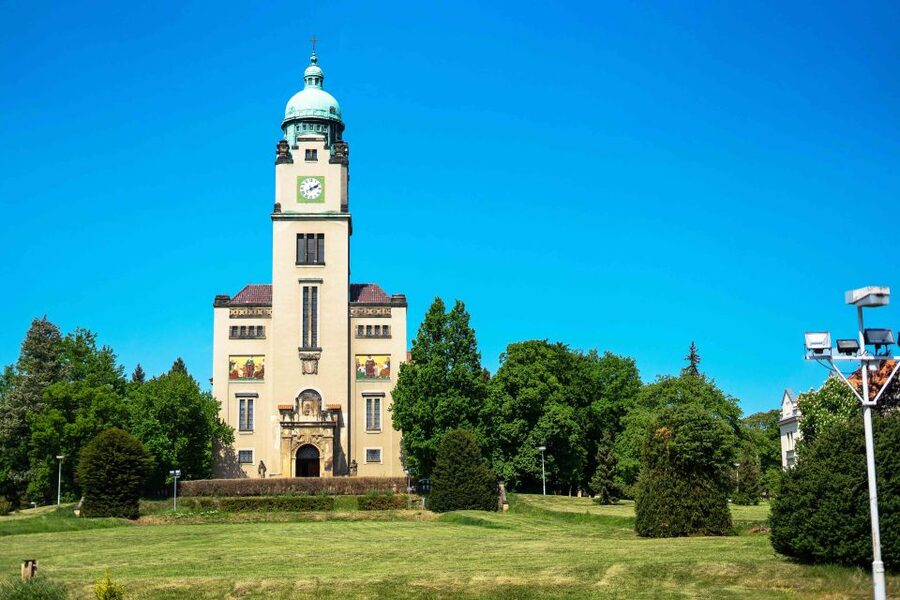
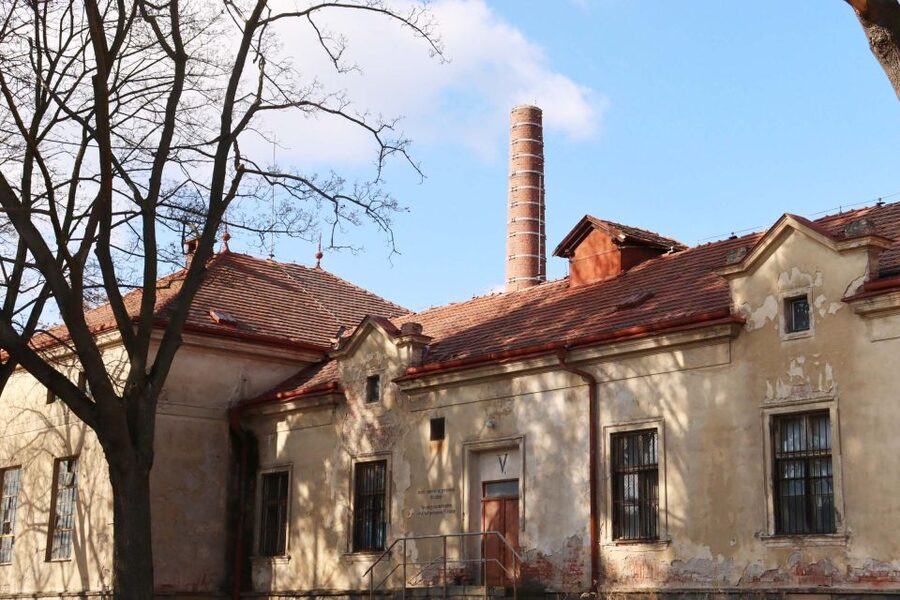
The most unusual part of this Prague outing is that it takes place around a still functioning psychiatric hospital, not a staged haunted attraction. You’ll hear how European ideas about mental illness changed from medieval rituals to lobotomies, then walk through the grounds toward a cemetery where patients, criminals, and other forgotten people were buried.
I like the serious history behind the spooky setting, especially the attention given to the Rosenhan experiment and changing treatments. I also like the practical length: two and a half hours inside the institution, followed by 30 minutes at the cemetery, enough time to feel substantial without taking up a whole day.
The main consideration is clear: this is not suitable for small children or anyone expecting a light ghost walk. Patients are still present at the hospital, and the subject matter includes institutional care, mental illness, and distressing medical practices.
Key points to know before you book
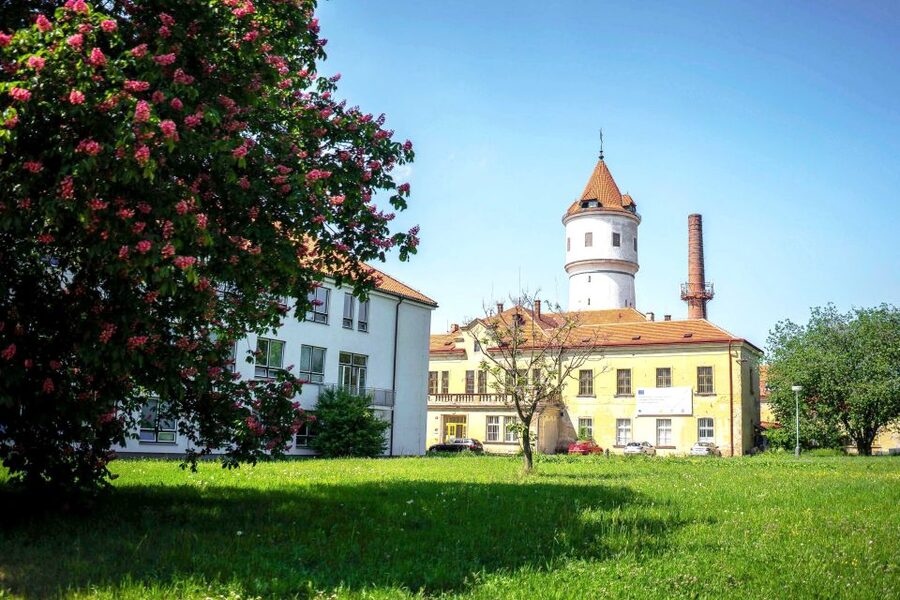
- A working psychiatric hospital: You are visiting an active clinic where patients may be present, not an abandoned building prepared for tourists.
- Psychiatry beyond ghost stories: The guide covers medieval rituals, historical treatments, lobotomies, and the Rosenhan experiment.
- A separate cemetery walk: The final 30 minutes take you to Bohnický ústavní hřbitov, an abandoned cemetery connected with the institution.
- English-speaking guidance: The tour is offered in English, with private groups available.
- Three hours on foot: Wear comfortable shoes and bring a reusable water bottle.
- Easy to reach, but allow time: From central Prague, public transport requires a metro ride and a bus connection. A taxi or ride-hailing car costs about 350 CZK, or 15 EUR, from the city center.
Why Bohnice is a different kind of Prague tour
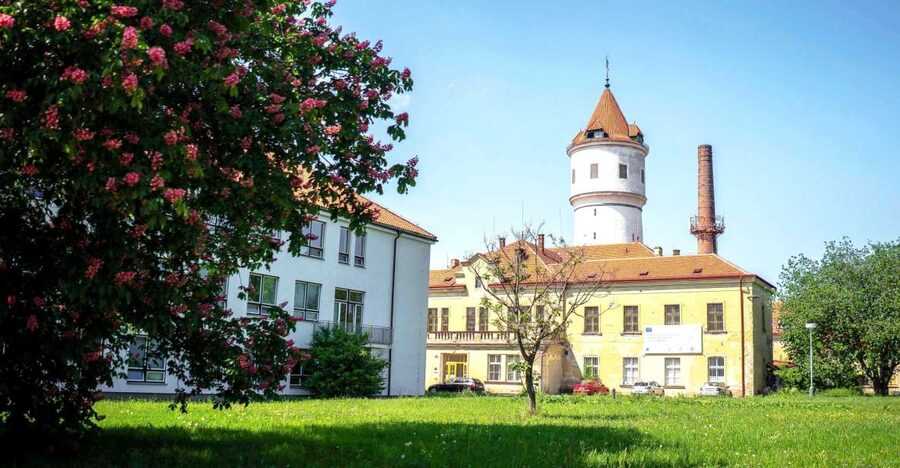
Prague has no shortage of ghost walks, old legends, and candlelit stories. This outing takes a harder route. Its setting is a functioning psychiatric hospital in Bohnice, on the northern edge of the city, and its central subject is the real history of psychiatry.
That distinction matters. You are not simply walking through a dark building while a guide recites spooky folklore. The experience asks how societies have understood mental illness, how doctors tried to treat it, and how patients were treated when medicine had few effective answers.
The tone can shift quickly. One moment, you may be hearing about mystic rituals in medieval Europe. The next, the discussion moves to procedures such as lobotomies, which are now viewed as shocking and difficult to understand. The cemetery adds an eerie physical setting, but the strongest material comes from the human stories connected with the institution.
I like this mix because it gives the tour more weight than a standard supernatural walk. You get atmosphere, but also questions about stigma, medical judgment, and the limits of psychiatric care. If you want a simple evening scare, this may feel too serious. If you want a thoughtful look at a neglected side of Prague, it offers something unusual.
Other Prague days people book alongside this one:
- Prague: 50-Minute Sightseeing Evening Cruise
★ 4.2 · 33,780 reviews - Prague: Medieval Dinner with Unlimited Drinks
★ 4.4 · 19,847 reviews - Prague: Skip-the-line Castle Ticket and Optional AudioGuide
★ 4.3 · 11,121 reviews
Meeting the guide at Ústavní 91
The tour begins in front of the gate to Psychiatric Hospital Bohnice at Ústavní 91, 181 00 Praha 8. You should arrive with enough time to find the entrance, especially if you are using public transport for the first time in Prague.
The listed language is English, and private groups are available. Guide Tina has led some departures in French, so French-speaking visitors may want to check the language for their chosen date rather than assume every departure is English-only. Her approach is described as clear and passionate, with attention to both hospital anecdotes and cemetery stories.
The setting itself creates an immediate boundary between an ordinary sightseeing tour and this experience. You are meeting at an active institution, so you should act with discretion. Do not treat patients or the hospital grounds as props for photographs. The point is to learn about a difficult subject, not to turn someone else’s medical environment into entertainment.
That is also why the tour is not recommended for small children. The subject matter is dark, and the presence of current patients makes this a place for respectful adults and older teenagers who can handle serious topics.
Two and a half hours inside the hospital grounds
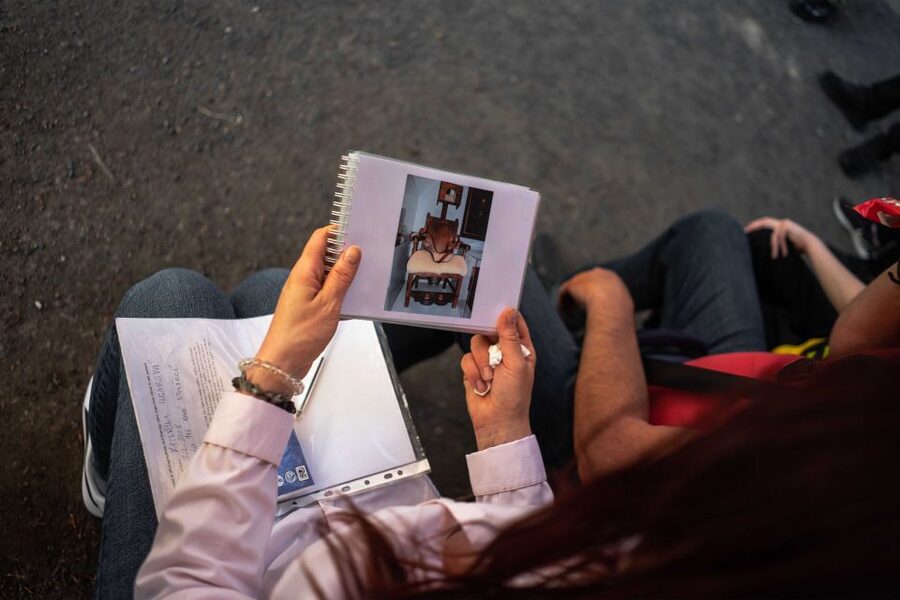
The main guided portion lasts about two and a half hours. The available information does not promise entry into every ward or describe a tour through patient rooms, so you should not book this expecting a conventional museum visit. Instead, expect a guided look at the institution, its grounds, its past, and the psychiatric methods associated with it.
The hospital’s continuing use is central to the experience. You may encounter signs of an active medical facility and people who are there for treatment. That gives the tour a sense of reality that a closed asylum cannot provide, but it also creates limits. Some areas may not be suitable for public access, and the guide must put patient privacy first.
I see that as a strength, provided you know what you are booking. The experience is less polished than a purpose-built attraction because it is taking place in a real setting. You get a closer look at how psychiatric care fits into a living institution, but you also need to remain quiet, observant, and considerate.
The guide’s role is important here. A good guide has to explain the past without reducing patients to horror-story characters. Tina is specifically praised for explaining the hospital and cemetery, and the tour’s strongest promise is its focus on context rather than cheap shock.
From medieval rituals to lobotomies
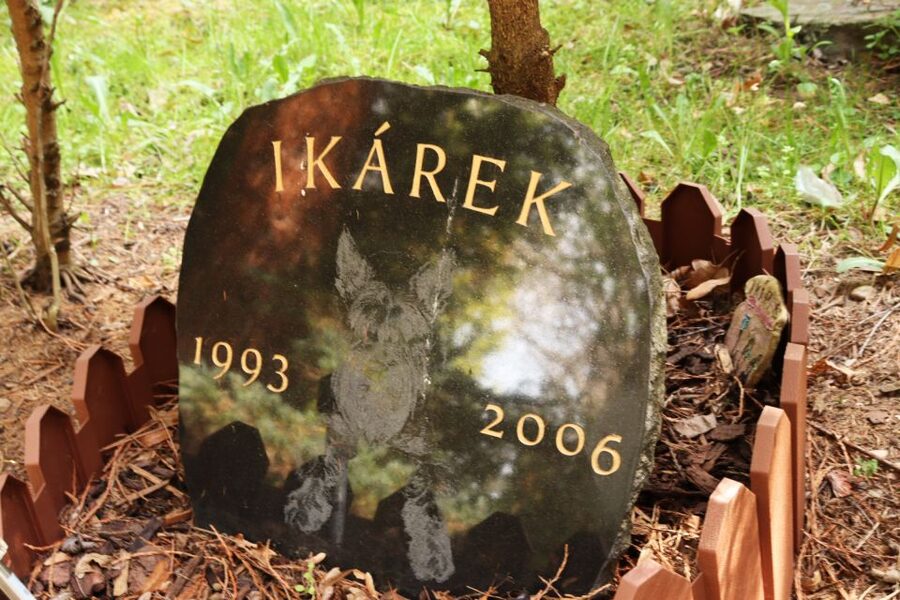
The historical section covers changing ideas about mental illness in Europe. You will hear about mystic rituals used in medieval times, then move toward later medical approaches. The broad lesson is uncomfortable but useful: treatments often reflect the beliefs and tools of their period, and practices once presented as reasonable can later appear cruel or incomprehensible.
Lobotomies are one of the clearest examples discussed. You should expect the subject to be handled as part of psychiatry’s past, not as a sensational stunt. The topic may be disturbing, particularly for anyone sensitive to medical history or stories of institutional treatment.
The tour also includes the Rosenhan experiment, a famous episode in the study of psychiatric diagnosis. Its inclusion gives the walk a modern edge. Rather than treating the hospital only as a place of old suffering, the guide connects it with larger questions about how mental illness is identified and how labels can affect a person’s care.
I appreciate that range. Medieval beliefs, invasive treatments, and modern questions about diagnosis create a fuller picture than a list of ghost tales. You are encouraged to think about the changing relationship between doctors, institutions, patients, and society.
The tour also refers to past and current infamous patients occupying the wards. Because this is an active hospital, the subject requires care. You should expect stories and historical context, not personal access to patients or a license to pry into private lives.
Same city, a completely different afternoon:
- Prague: Castle Tour with Local Guide and Entry Ticket
★ 4.6 · 10,422 reviews - Prague Castle 2.5-Hour Tour Including Admission Ticket
★ 4.7 · 8,927 reviews - Prague: Oldtown, Medieval Underground & Dungeon History Tour
★ 4.2 · 8,244 reviews - Prague: Vltava River Night Cruise with Buffet
★ 4.3 · 7,338 reviews
The final 30 minutes at the abandoned cemetery
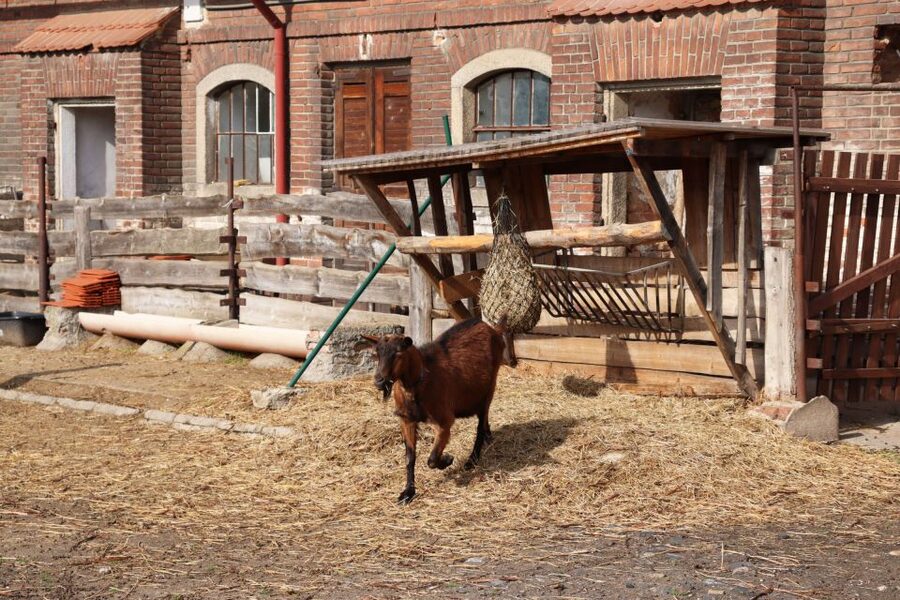
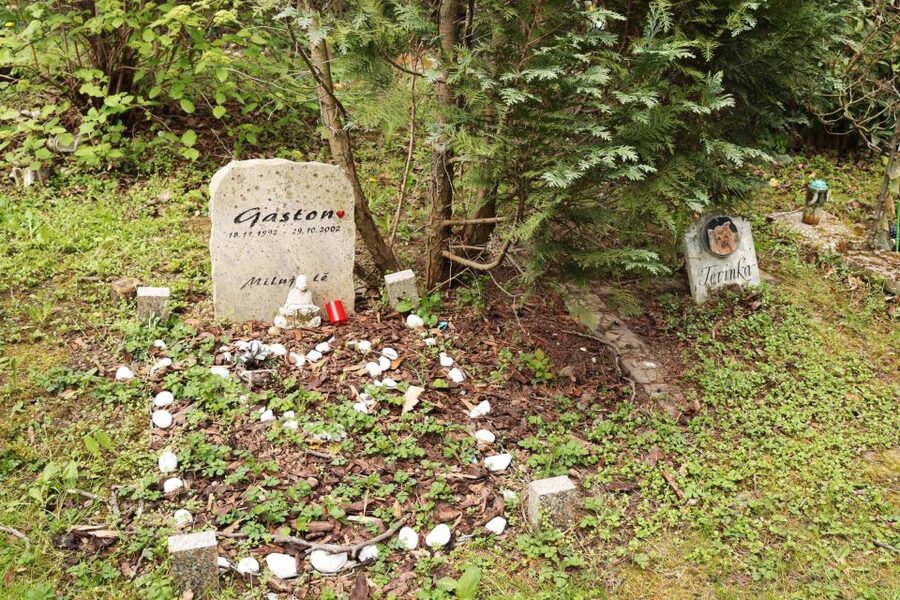
After the hospital portion, the group walks toward Bohnický ústavní hřbitov, the institution’s abandoned cemetery. The cemetery visit lasts about 30 minutes and is described as a promenade around a place where patients, criminals, and other lost souls were buried.
This is the part most likely to satisfy visitors who came for an eerie atmosphere. The setting is overgrown and neglected in character, and the idea of a cemetery tied to an asylum naturally carries a heavy mood. Still, the walk works best when you remember the people behind the label. These were not fictional characters created for a frightening tour.
The cemetery also gives the history a physical endpoint. Inside the hospital grounds, you hear about diagnosis and treatment. At the cemetery, the discussion turns toward what happened to people who lived and died outside the attention of ordinary Prague sightseeing.
Do not expect a long cemetery excursion. Thirty minutes is enough for a focused walk, but it is not a full afternoon exploring a large burial ground. The cemetery is one part of a longer experience, not the entire product.
Rain does not necessarily ruin the outing. One French-language departure took place in wet weather and was still considered worthwhile, but you should dress for exposed walking and uneven outdoor conditions. Comfortable shoes are specifically recommended, and a reusable water bottle is sensible for three hours on foot.
Getting there from central Prague
Public transport is straightforward once you know the sequence. Take metro line C to Kobylisy. At the station, use the exit marked in the direction of Katastrální úřad.
At street level, go to the bus station and take either bus 177 toward Poliklinika Mazurská or bus 200 toward Sídliště Bohnice. Get off at Katovická. From there, turn around and walk in the opposite direction from the bus until you reach the first crossroads. Turn left onto Ústavní Street and continue to the metal gate marked number 91.
This route is affordable, but it requires attention to the correct bus and walking direction. If you are already tired, carrying luggage, or visiting in poor weather, a taxi may be the easier choice. A Bolt or Uber ride from central Prague costs approximately 350 CZK, or 15 EUR, according to the supplied estimate.
The taxi option is especially useful for the meeting point because the hospital is outside the central sightseeing area. You will not be able to treat this as a walk-up attraction from Old Town Square. Build the transport time into your day and avoid arriving at the last minute.
Is the $32 price fair?
At $32 per person, this is priced as a specialist three-hour walking experience rather than a basic city stroll. The fee includes a local guide and the walking tour, with no separate attraction admission listed.
I think the price is reasonable if you care about the subject and want a guided explanation. You are paying for access to a hard-to-find setting, a sustained history of psychiatry, and a cemetery walk that would be difficult to interpret on your own. The value comes from the guide’s narrative and the unusual location, not from a large number of formal exhibits.
It is less convincing value if you only want a quick haunted stop. The cemetery portion lasts about 30 minutes, and the rest of the time concerns psychiatry, medicine, and institutional history. You should choose it for the full subject, not just the promise of an abandoned graveyard.
Free cancellation up to 24 hours before the start gives you some flexibility, and you can reserve now and pay later. Check the available start times because the exact schedule is not fixed in the supplied details.
Who will enjoy this, and who should skip it?

I would recommend the tour to adults interested in medical history, unusual Prague districts, social history, and serious ghost lore. It also suits people who have already seen the main Old Town sights and want an experience far removed from the usual castle, clock, and beer itinerary.
It is a good match for curious visitors who enjoy asking difficult questions. How did people explain mental illness before modern medicine? Why were certain procedures accepted? What happens when a diagnosis becomes a label? The tour gives you material to consider rather than only a memorable photograph.
I would not choose it for small children. The dark subject matter is explicit enough that a family looking for a playful outing should pick something else. It may also be uncomfortable for anyone with a personal connection to psychiatric hospitalization, institutional care, or medical trauma.
The active hospital is another important filter. If you want a controlled attraction with no current patients and no restrictions created by a working clinic, this is not the right choice. If the real setting is part of the appeal, behave quietly and let the guide set the boundaries.
What to bring and how to prepare
Wear comfortable shoes. The experience includes several hours of walking, outdoor grounds, and a cemetery promenade. Bring a reusable water bottle, and dress for the weather because the final section is outside.
You do not need to prepare by reading a book on psychiatry. A basic willingness to listen is enough. Still, knowing that the tour covers medieval rituals, lobotomies, and the Rosenhan experiment will help you judge if the content suits your group.
Keep your expectations grounded. This is not advertised as a visit into every ward, a paranormal investigation, or a theatrical performance. It is a guided walking tour around a functioning psychiatric hospital, followed by a cemetery visit, with dark historical material throughout.
Should you book the Bohnice tour?
Book it if you want serious, unusual history with an unsettling setting and you are comfortable visiting an active psychiatric institution. The guide-led discussion, the Rosenhan experiment, and the cemetery make this more thoughtful than a routine ghost walk.
Skip it if you are bringing small children, want a lighthearted scare, or feel uneasy about being near current patients. For the right audience, $32 buys a distinctive three-hour look at a side of Prague that most sightseeing routes ignore. Go prepared for difficult topics, comfortable walking, and a respectful attitude.
FAQ
Where does the tour start?
It starts in front of the gate to Psychiatric Hospital Bohnice at Ústavní 91, 181 00 Praha 8.
How long does the experience last?
The tour lasts three hours. About two and a half hours are spent on the guided hospital portion, followed by about 30 minutes passing through the abandoned cemetery.
Is the hospital still operating?
Yes. The tour takes place around a still functioning psychiatric clinic, and patients may be present.
What language is the tour offered in?
The listed tour language is English. Private groups are available, and French-language guiding has been offered on some departures, so check the language for your selected date.
How do I reach Bohnice by public transport?
Take metro line C to Kobylisy, use the exit toward Katastrální úřad, then take bus 177 toward Poliklinika Mazurská or bus 200 toward Sídliště Bohnice. Get off at Katovická and walk to Ústavní 91.
Is the tour suitable for children?
The tour is not recommended for small children because it includes dark historical facts connected with psychiatry and mental illness.
What should I bring?
Bring comfortable shoes and a reusable water bottle. The experience is a walking tour lasting three hours.
Just added around Prague
- WWII and Communism History in Prague’s Old Town Private Tour★ 5.0 · 4 reviews
- World War II 4WD Tour from Prague with Lunch★ 4.4 · 3 reviews
- Prague: Historical Walking Tour with Focus on World War 2★ 4.3 · 12 reviews
- Unique salt cave in Prague★ 4.9 · 10 reviews
- Walking tour of Prague in French : Nové Město★ 4.9 · 16 reviews
- Walking tour of Prague in french: Old Town & Charles Bridge★ 4.9 · 62 reviews
- Prague: Market Tour and Traditional Czech Cooking Class★ 4.7 · 19 reviews
- Ultimate Unlimited Beer Pong with Czech Beer★ 4.6 · 5 reviews