
Reviewed · PRAGUE
Prague: Modern Architecture and Design Guided Tour
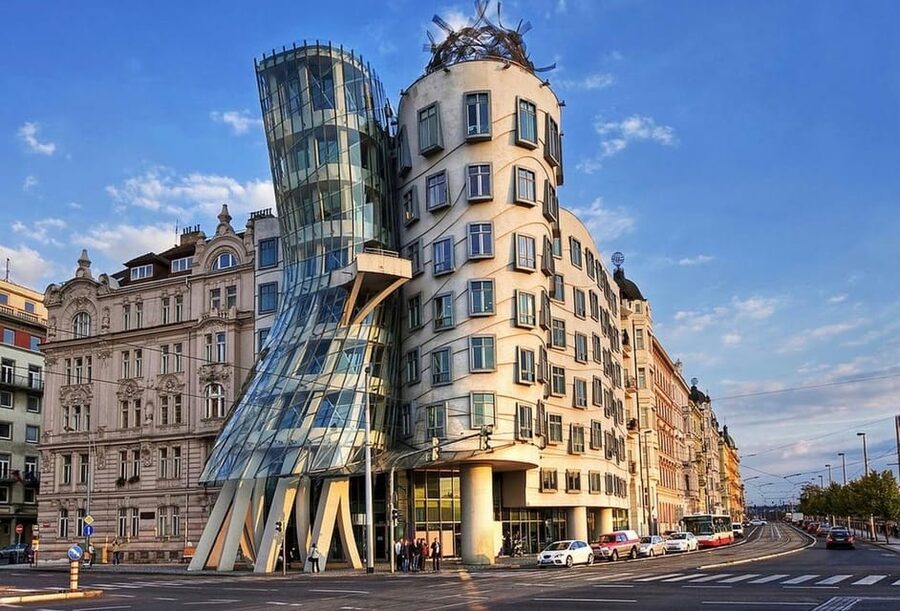
Prague’s modern side is easy to miss. This two-hour walking tour brings you to 10 places connected with 20th and 21st-century design, from socialist realism and brutalism to public art installations that most people pass without a second look. The city’s famous old buildings remain nearby, but the focus here is Prague as a place still changing.
I like the small-group feel and the attention to details you might otherwise miss. I also like the personal stories behind less celebrated buildings, especially when guide Michael is leading the walk. The main drawback is that this is not a neat, textbook survey of Prague’s architectural styles. Some stops may look plain at first, and the route is more story-led than systematic.
Key points at a glance
- Ten modern sites in two hours: The tour packs a good number of stops into a short city walk.
- A different Prague: You look beyond medieval lanes and grand historic façades to the city’s recent past.
- Socialist realism and brutalism: These often misunderstood styles receive practical cultural context.
- Public art and installations: The guide points out works you could easily walk past on your own.
- Small groups can make a difference: Previous departures have been intimate, including one with only Michael and two guests.
- $35 offers a focused introduction: It is a reasonable price if you want a compact orientation rather than a full architectural course.
Prague beyond the medieval postcard
Most first-time visitors come to Prague for Gothic towers, Baroque churches, cobbled streets, and Art Nouveau façades. That old center deserves its fame, but it can give you a lopsided idea of the city. Prague also spent much of the 20th century adapting to new politics, new materials, new ideas about housing, and new ways to use public space.
This tour puts that newer Prague in front of you. Instead of treating modern buildings as interruptions between historic sights, it explains how they became part of the city’s identity. You will hear about the design principles and cultural forces that shaped the city during the socialist period and after it.
The format is simple: a live English-speaking guide leads you to 10 points of interest over two hours. Food and drinks are not included, so this is best viewed as a compact walking experience rather than a half-day outing with planned breaks.
A few more Prague outings worth weighing up
- Prague: Castle Tour with Local Guide and Entry Ticket
★ 4.6 · 10,422 reviews - Prague: Klementinum Library & Astronomical Tower Guided Tour
★ 4.5 · 5,050 reviews - Prague Guided Walking Tour and Cruise with Authentic Czech Lunch
★ 5.0 · 3,627 reviews
Ten stops, ten ways to read the city
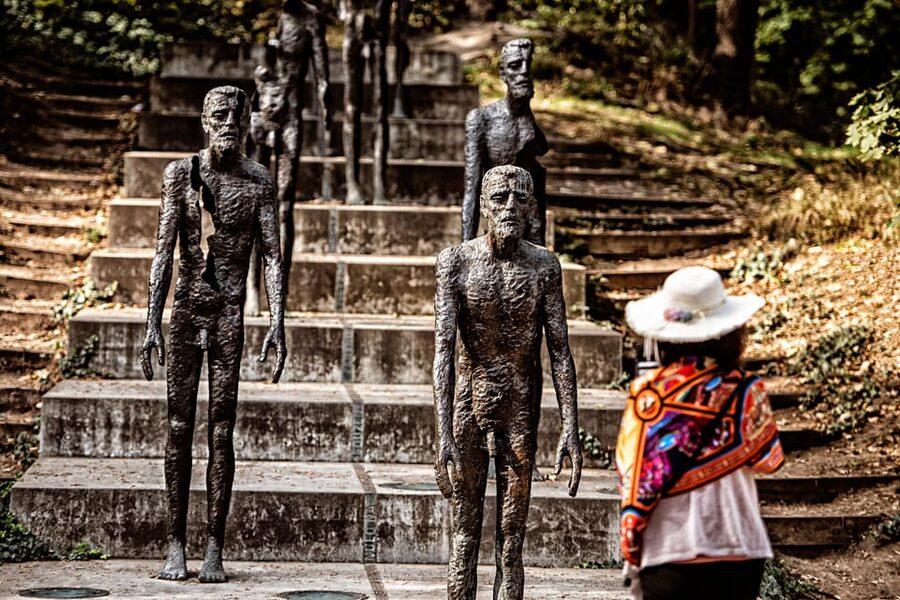
The tour’s promise is broad, but its structure is clear enough. You visit 10 locations, and each one gives you another way to think about modern Prague. The available information does not name every stop, so I cannot tell you to expect a particular tower, square, or interior. That is useful to know before booking: you are buying a guided look at selected places, not admission to a fixed list of famous monuments.
The first part of the walk sets up the contrast between Prague’s historic image and its modern development. This helps you notice changes in scale, materials, and purpose. A building may not have the decorative appeal of the old town, but its shape, public role, or political setting can tell you a great deal about the era that produced it.
You then move through examples linked to socialist realism and brutalism. These labels can sound academic, but a good guide makes them practical. You learn to look for the choices that define each style, such as how a structure relates to the street, how its materials are displayed, and how design reflects the values of its time.
The final part brings in experimental installations and newer ideas about public space. Here, the tour becomes less about buildings alone. Artworks, urban details, and unusual interventions show how Prague continues to test new ways of presenting itself.
Why the less beautiful stops can be the best ones
One of the useful features of this experience is that it does not promise a parade of pretty façades. Some buildings discussed during the walk are not conventionally beautiful. That is not a flaw if you are interested in how cities work.
A plain or imposing structure may have a strong story behind it. It might show how an earlier government imagined modern life, how public buildings were meant to serve society, or how a city tried to express progress through concrete and steel. You may come away remembering an awkward building more clearly than another ornate church.
I appreciate this approach because modern architecture often works better when you understand its purpose. Without context, brutalism can look heavy and socialist-era design can seem severe. With a guide explaining the ideas and political setting behind them, the same buildings become easier to read.
Still, set your expectations correctly. If you want Prague’s most beautiful views or a tour filled with famous landmarks, this may not be your best choice. The appeal lies in interpretation, not postcard scenery.
Socialist realism and brutalism in plain language
The tour gives particular attention to styles that are often misunderstood. Socialist realism developed within a political culture that wanted art and architecture to communicate public ideals. Buildings from this tradition can feel formal, monumental, or strongly shaped by their official purpose.
Brutalism takes a different visual path. It often makes concrete, structure, and mass part of the design rather than covering them with decoration. In Prague, examples connected with this period can feel imposing, stark, or inventive. You may like them immediately, or you may need time to see what the architect was trying to achieve.
A guide adds value here because the terms alone do not tell you much. Michael, who led at least some departures, has been described as friendly and willing to answer questions after the scheduled walk. That matters on a tour built around interpretation. You can ask why a building looks the way it does, what the designers were responding to, and how the public viewed it.
The experience is not presented as a complete academic history of Czech architecture. One past participant specifically found that it did not provide a systematic review of every style. I would treat that as a fair warning, not necessarily a criticism. This is a selective city walk with a personal angle.
Same city, a completely different afternoon:
- Prague: 50-Minute Sightseeing Evening Cruise
★ 4.2 · 33,780 reviews - Prague: Medieval Dinner with Unlimited Drinks
★ 4.4 · 19,847 reviews - Prague: Skip-the-line Castle Ticket and Optional AudioGuide
★ 4.3 · 11,121 reviews - Prague Castle 2.5-Hour Tour Including Admission Ticket
★ 4.7 · 8,927 reviews
Public art you could easily miss
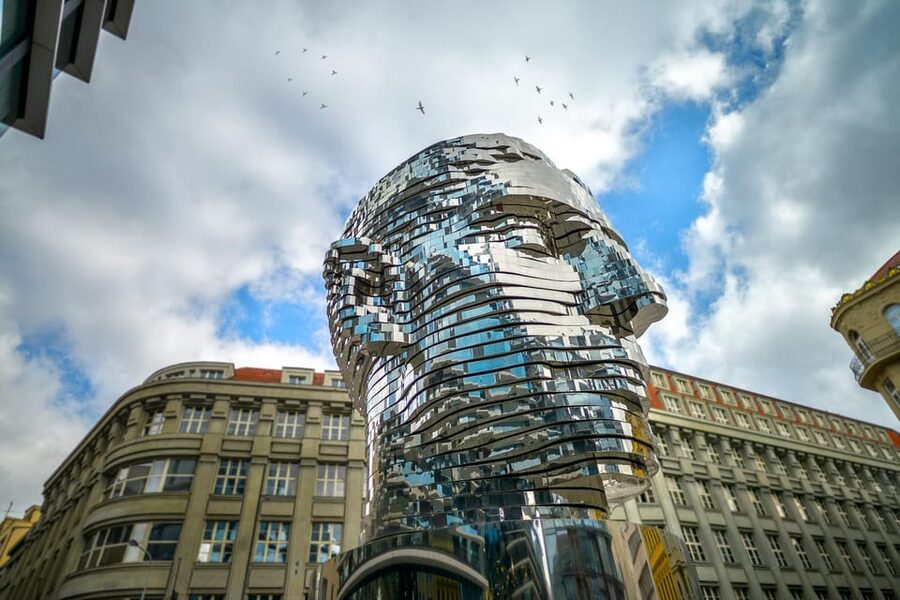
The tour’s treatment of art installations is one of its strongest features. Prague has plenty of public art, but much of it does not announce itself with a museum label or a crowd. You may walk past an installation several times before realizing it has an artistic purpose.
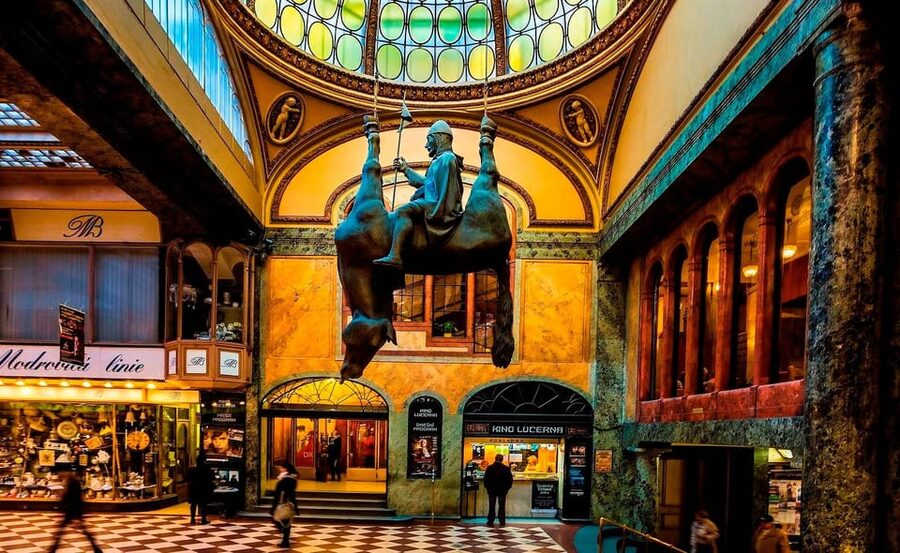
The guide draws attention to works connected with particular artists and explains the ideas behind them. That changes the way you see the street. A strange object, an unexpected figure, or an unusual arrangement can become a deliberate comment on the city rather than random decoration.
This part may be especially rewarding if you have already seen Prague’s major churches, bridges, and squares. After a few days, you may want something that feels less obvious. The art stops give you a fresh reason to look up, across, and around rather than simply following the main sightseeing route.
The tradeoff is that installations are not always easy to photograph or understand without explanation. You should come ready to listen, ask questions, and accept that some works will interest you more than others.
What a two-hour pace feels like
Two hours is a useful length for this subject. It is long enough to cover 10 points but short enough to fit before lunch, after a museum visit, or between other plans. You get a focused introduction without committing an entire day to architecture.
The pace may feel brisk because ten stops in two hours leaves limited time at each one. That is ideal if you enjoy moving through a city and collecting ideas. It is less suitable if you want long periods for sketching, photography, or close inspection.
I would avoid scheduling this immediately before something that requires you to cross the city at a precise time. The tour includes explanations and questions, and a small group can make the conversation more flexible. Give yourself a little breathing room afterward.
The intimate format can change the experience quite a bit. One departure had only two guests plus Michael, while another participant found herself alone with the guide. That is unusually personal for a city tour. It can mean more questions and tailored conversation, though group size is never guaranteed.
The guide makes the difference
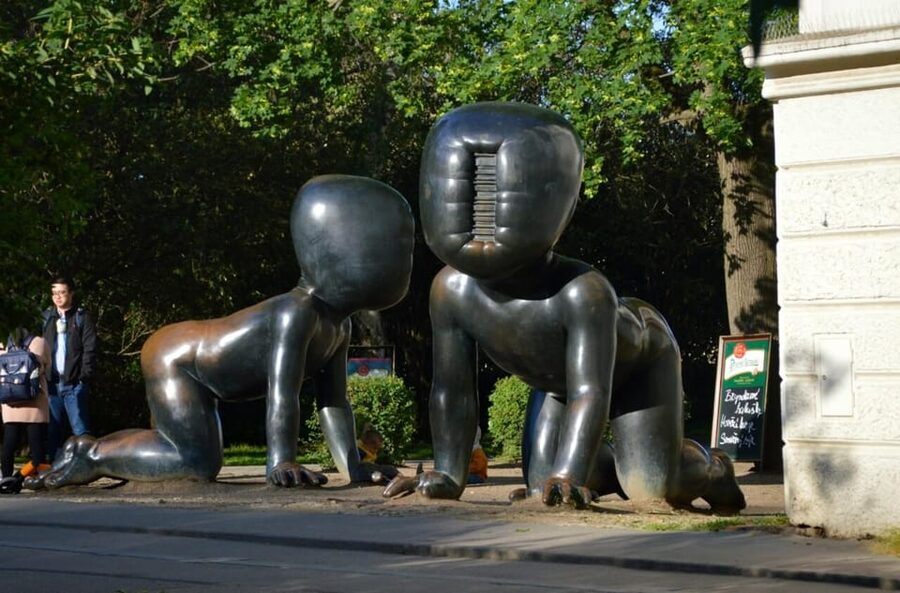
This experience depends heavily on the person leading it. A modern architecture tour cannot rely on famous sights alone. The guide has to connect a building’s appearance with its social and cultural setting, then explain those connections in a way that remains interesting on the street.
Michael has received particular praise for being friendly, informative, and available for questions after the walk. The information also suggests that he adds practical tips for seeing Prague beyond the tour itself. Those extra suggestions can be useful if this is one of your first days in the city.
The small-group setting gives the guide more room to adjust. If you are curious about public art, you can ask for more detail. If you are new to architectural terms, you can ask for a simpler explanation. That personal exchange is likely to be more valuable here than a memorized list of dates.
There is also a limit. Because the tour can feel personal and selective, you may not receive the orderly progression you expect from a formal architecture course. If you want a strict timeline from early modernism to the present, ask about the route and teaching approach before booking.
Is $35 a fair price?
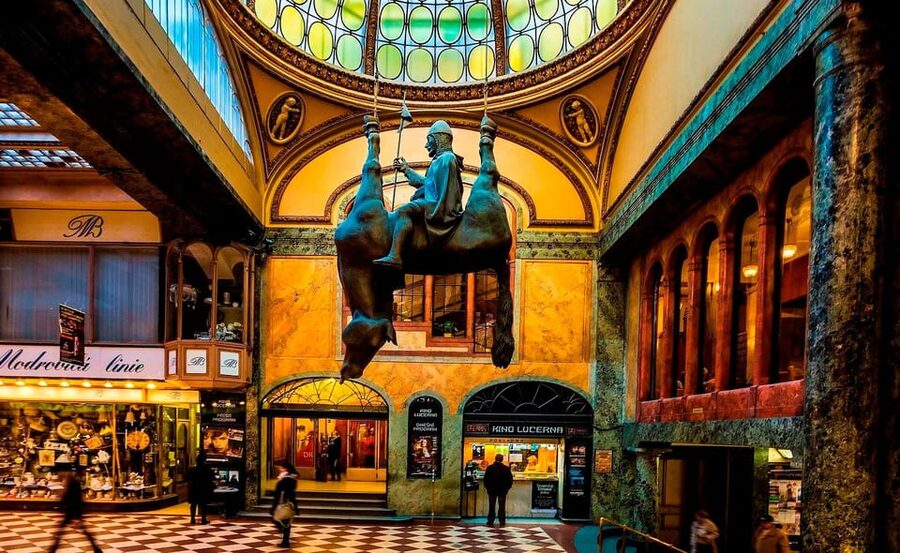
At $35 per person, the tour sits in a reasonable range for a two-hour guided city experience. You are paying for a live English-speaking guide, not food, drinks, entrance tickets, or a full-day program.
The value is strongest if you would otherwise overlook modern Prague. A guide can save you the work of researching unfamiliar buildings and help you notice public art that has no obvious sign. The cost also makes sense if you prefer a small, focused walk to a large group tour covering only standard sights.
The value is weaker if your main goal is to see Prague’s famous historic architecture. You can find plenty of that without this activity, and this tour does not appear designed to replace the classic old-town walk.
I would also consider how much you enjoy interpretation. If you like asking why a city looks the way it does, $35 is modest. If you mainly want attractive views and landmark photographs, spend the money elsewhere.
Accessibility and booking flexibility
The tour is listed as wheelchair accessible, which is important for anyone planning a city walk around modern sites. Since the specific route and street conditions are not provided, you should still confirm practical details before booking if you have particular mobility needs.
The activity is offered in English with a live guide. You can reserve now and pay later, and cancellation is allowed up to 24 hours in advance for a full refund. These terms reduce the risk of fitting the tour into a changing Prague schedule.
Food and drinks are not included. Plan to eat before or after the walk rather than expecting a café stop as part of the experience.
Who should book this Prague architecture walk?
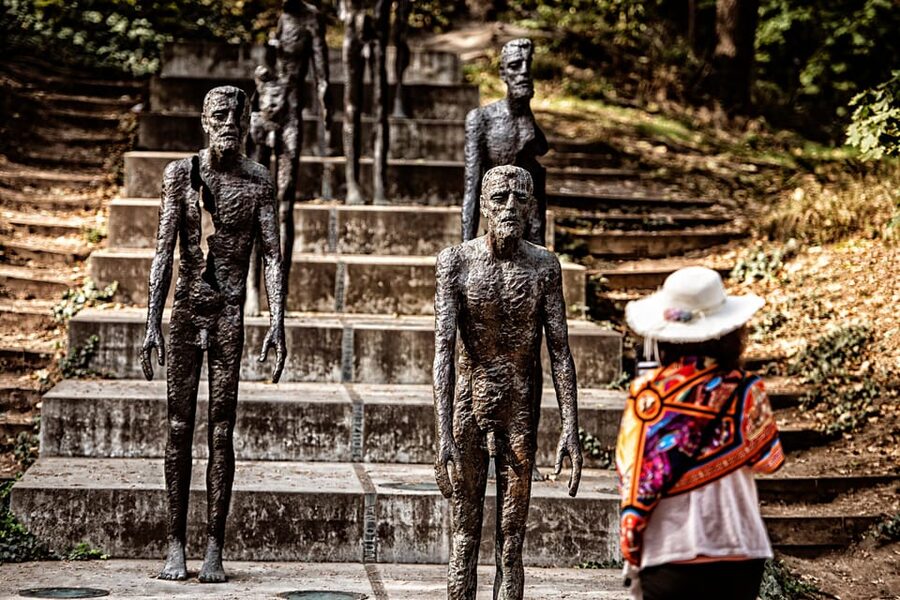
I would recommend it to you if you have already seen the main historic sights and want another way to understand the city. It also suits design students, architecture fans, photographers, and curious visitors who enjoy buildings that raise questions rather than offer instant beauty.
It is a good pick for a short stay because two hours is manageable. You can add it without giving up a full morning or afternoon. The tour may also work well early in your visit, since the guide’s city tips can help shape the rest of your sightseeing.
I would be more cautious if you want a precise survey of architectural history. The tour is selective, personal, and story-led. The buildings may not always be Prague’s most attractive, and the route may not explain every style in a tidy sequence.
The overall rating of 3.9 from 20 reviews suggests a solid but not perfect experience. That fits the details: the best departures seem to offer close conversation, unusual art, and strong explanations, while the main point of friction is that the tour may not match expectations of a formal architectural overview.
Should you book it?
Book this tour if you want to see the Prague most guidebooks skip. You will visit 10 modern points of interest, learn how socialist realism and brutalism shaped the city, and get help spotting public art that might otherwise disappear into the streetscape.
Skip it if your priority is a polished parade of famous buildings or a complete chronological lesson. For everyone in between, the $35 price and two-hour format make it a practical way to add a less familiar side of Prague to your trip. Go with an open mind, and expect stories and ideas rather than only beautiful views.
FAQ
How long is the Prague Modern Architecture and Design Guided Tour?
The tour lasts two hours and includes visits to 10 points of interest.
What language is the tour offered in?
The live guided tour is offered in English.
Who leads the tour?
A live guide leads the experience. Michael has led some departures and is described as friendly and willing to answer questions.
Is the tour wheelchair accessible?
Yes, the activity is listed as wheelchair accessible.
Are food and drinks included?
No. Food and drinks are not included in the tour price.
Can I cancel the booking for a refund?
Yes. You can cancel up to 24 hours in advance for a full refund. You can also reserve now and pay later.
Just added around Prague
- Prague: Historical Walking Tour with Focus on World War 2★ 4.3 · 12 reviews
- WWII and Communism History in Prague’s Old Town Private Tour★ 5.0 · 4 reviews
- World War II 4WD Tour from Prague with Lunch★ 4.4 · 3 reviews
- Unique salt cave in Prague★ 4.9 · 10 reviews
- Walking tour of Prague in French : Nové Město★ 4.9 · 16 reviews
- Walking tour of Prague in french: Old Town & Charles Bridge★ 4.9 · 62 reviews
- Prague: Market Tour and Traditional Czech Cooking Class★ 4.7 · 19 reviews
- Ultimate Unlimited Beer Pong with Czech Beer★ 4.6 · 5 reviews