
Reviewed · PRAGUE
Cook Authentic Czech with Grandma’s Recipes
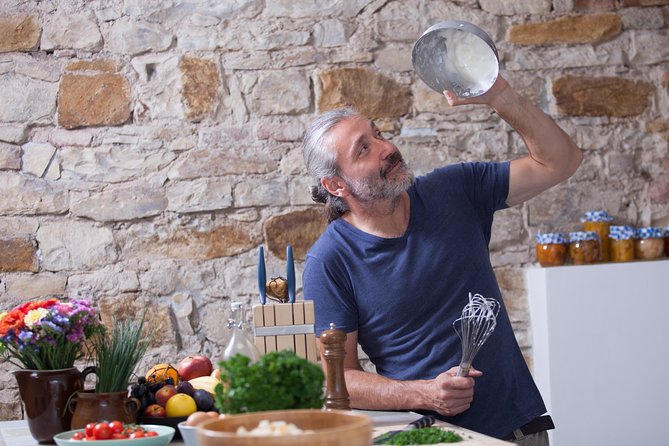
Czech cooking is at its best when it is shared, and this half-day class puts you right in the middle of it. You help prepare a full meal in a 400-year-old building, using the sort of simple kitchen tools you can actually find at home. Aida or Bret leads the session, mixing recipes with stories about Czech and Moravian food traditions.
I like the small group size, capped at eight, because you are not left watching someone else chop onions. I also like the practical menu: bread dumplings, potato pancakes, goulash, duck, rabbit, and cream rolls are dishes you can try again after Prague. The main drawback is the meeting spot, which can be tricky to find, especially because the entrance is beside a locked alleyway gate.
Key points to know
- Cook a complete Czech meal: Prepare a starter, main course, side dish, and dessert from start to finish.
- Learn with Aida or Bret: Each session is led by one of the two hosts, both of whom connect cooking with Czech customs and family traditions.
- Eat what you make: The four-and-a-half-hour session ends with a proper three-course meal, snacks, drinks, and wine.
- Expect a truly small class: The maximum is eight people, with some sessions becoming private or nearly private.
- Come hungry: Homemade pickles, marmalades, sausages, cheeses, bread, and other snacks may appear while the main dishes cook.
- Plan your arrival: The Karlín address is near public transportation, but the entrance can be easy to miss.
A Czech kitchen in Prague’s Karlín district
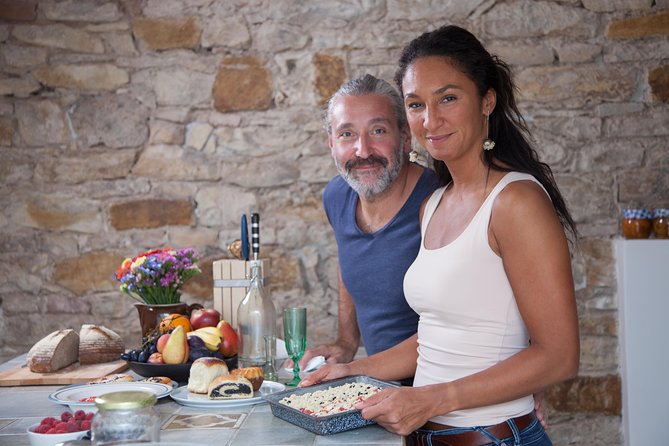
Good Mood Food is at Křižíkova 70/67 in Karlín, Prague 8, away from the most crowded Old Town streets. That location gives the afternoon a more local feel, though you should allow time to find the doorway.
The class takes place in a self-designed atelier inside a 400-year-old building. Descriptions of the room make it sound like an underground cooking space, but the kitchen itself is modern enough to work comfortably and plain enough to feel like a real home kitchen. That matters if you want to repeat the recipes later. You will not be learning a dish that depends on a chef’s costly equipment.
The address is close to public transportation. Still, pay attention when you arrive. The doorbell is on the right side of a locked alleyway car door, and one person had to call for help before being shown inside. I would arrive a little early and keep the provider’s contact details handy.
The scheduled start is 2:30 pm, and the class lasts about four hours and thirty minutes. It ends back at the same meeting point, usually around the early evening. This timing works well after a morning of sightseeing, but it does take up most of your afternoon and evening.
Other Prague days people book alongside this one:
- Prague: 50-Minute Sightseeing Evening Cruise
★ 4.2 · 33,780 reviews - Prague: Medieval Dinner with Unlimited Drinks
★ 4.4 · 19,847 reviews - Prague: Skip-the-line Castle Ticket and Optional AudioGuide
★ 4.3 · 11,121 reviews
What you cook during the four and a half hours
The exact menu can change, which is part of the appeal. You are not simply handed a fixed set of dishes. The class may begin with a traditional broth, which becomes soup with noodles and vegetables, or a soup with potatoes and mushrooms. Another possible starter is a potato and sauerkraut pancake.
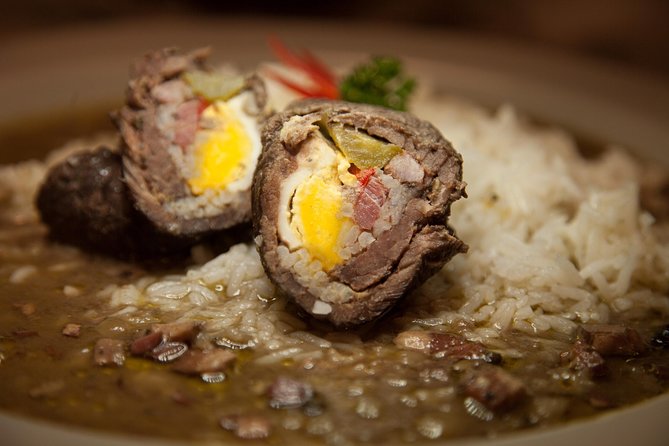
The main course comes from a set of Czech favorites. Possibilities include svíčková, beef goulash, roasted duck, rabbit with vegetables, beef with mushrooms, Spanish bird, or vegan prejt. These dishes give you a useful introduction to the range of Czech cooking, from rich meat-based meals to a meat-free option.
Bread dumplings are the expected side dish. In Czech cuisine, they are not a small extra tucked beside the main course. They are an important way to soak up sauces from dishes such as goulash and svíčková. Learning to make them gives you one of the most useful skills from the class.
Dessert may be a fruit cake, seasonal fruit dumplings with poppy seeds and quark, or kremrole, a delicate pastry filled with sweet meringue. The cream rolls require a little more patience than a simple cake, but they also make a memorable finish. If you enjoy pastry, this may be your favorite part of the afternoon.
Because the menu is not guaranteed in advance, you should book this for the cooking and cultural lesson rather than for one specific dish. If rabbit, duck, or another meat is not suitable for you, mention your needs when arranging the class. The hosts have accommodated vegetarians and food allergies, but it is sensible to raise the issue ahead of time.
From chopping and mixing to a proper Czech dinner
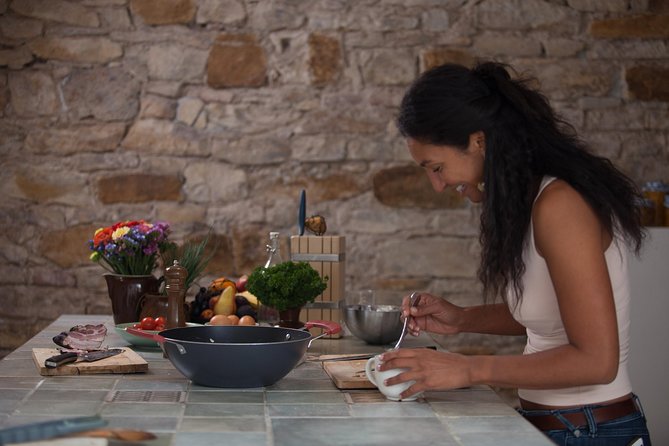
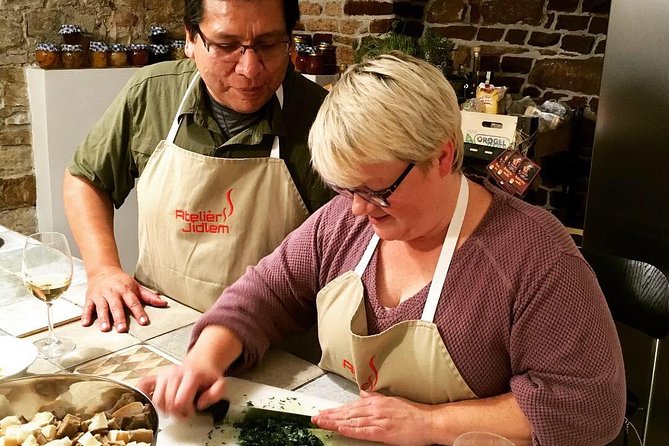
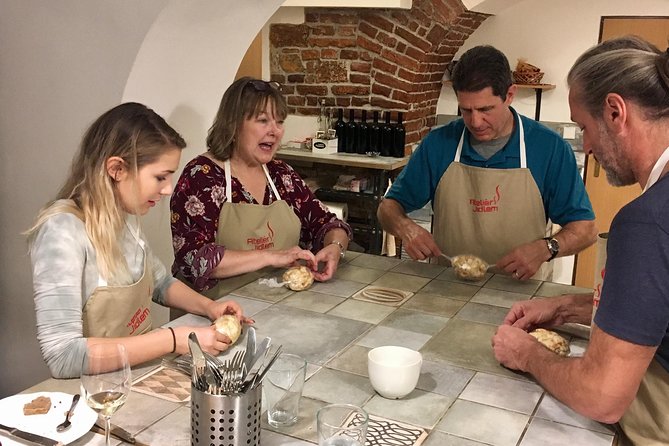
This is a hands-on class, not a demonstration where you sit at a counter and take notes. Bret, Aida, or both of them in the wider Good Mood Food setting keep the group moving through different tasks. You might chop vegetables, prepare dough, shape dumplings, work on a sauce, or learn how to flip a potato pancake.
The recipes are described as fairly simple, which is good news if you cook only occasionally. At the same time, simple does not mean dull. Czech food often gets its character from careful preparation, good timing, and the right balance of sauce, starch, vegetables, and seasoning.
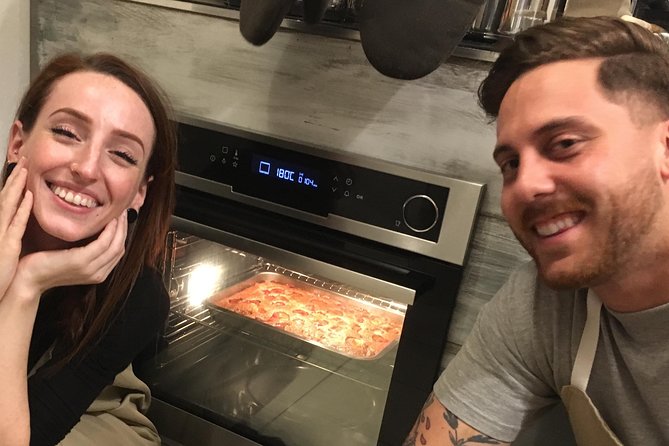
The hosts also use cooking pauses well. While a dish simmers or bakes, you may taste homemade pickled vegetables and marmalades, along with sausages, cheeses, bread, and other snacks. Water, tea, coffee, and wine are included. Some sessions also include a taste of local moonshine, though you should not count on a particular alcoholic drink being offered.
The group works together, then sits down to eat the finished menu. That shared meal is a key part of the experience. You are not just carrying home a recipe. You are seeing how a Czech meal fits together, from soup or appetizer through dumplings and a main dish to dessert.
Aida and Bret bring the food to life
Aida and Bret are the heart of this class. One of them leads each session, and the teaching style is friendly, informal, and social. They explain the recipes while also talking about rituals, family feasts, food customs, and Czech and Moravian traditions.
Bret is often described as funny, relaxed, and patient. He keeps everyone involved, including people who are not confident cooks. That makes a difference in a small group, where it is easy to feel self-conscious if your chopping is slow or your dumpling shape is not perfect.
He also brings in the stories behind the food. You may hear about the history of a dish, how recipes passed through generations, or what to look for when buying ingredients. One session included a stop at a specialty shop for practical shopping tips, though you should not assume that every class includes the same outing.
Aida receives similar praise for creating a warm, welcoming room and for explaining how Czech food is prepared. The tone is less like a formal culinary school and more like being invited into a friend’s kitchen. That is exactly what makes the class appealing, though it may not suit someone looking for strict technical training.
Same city, a completely different afternoon:
- Prague: Castle Tour with Local Guide and Entry Ticket
★ 4.6 · 10,422 reviews - Prague Castle 2.5-Hour Tour Including Admission Ticket
★ 4.7 · 8,927 reviews - Prague: Oldtown, Medieval Underground & Dungeon History Tour
★ 4.2 · 8,244 reviews - Prague: Vltava River Night Cruise with Buffet
★ 4.3 · 7,338 reviews
Why the small group matters
The advertised maximum is eight people, and that limit shapes the whole afternoon. You have a better chance to handle the food yourself, ask questions, and get help with unfamiliar techniques. A larger class could offer the same menu, but it would be easier to spend the afternoon watching from the edge.
Some sessions have had only one or two people. That can create a very personal lesson, with the host able to adjust the pace and give more individual attention. Other groups include families, couples, and several pairs cooking together. The small format leaves room for conversation without turning the class into a crowded production line.
Families should find plenty to like here, especially if everyone is willing to take part. Younger adults have enjoyed the relaxed setting, while experienced home cooks have still found useful techniques and new ideas. You do not need advanced cooking skills, but you should be comfortable standing, chopping, mixing, and working with a group for several hours.
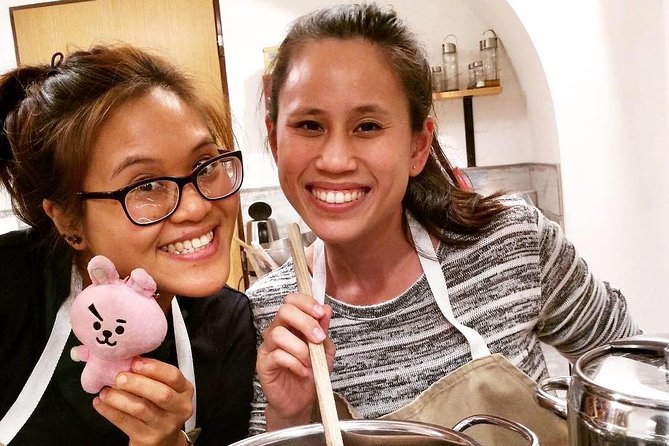
The social side is just as important as the food. You cook with people from different places, share wine and snacks, and sit down together at the end. If you prefer a quiet, private lesson with no conversation, this may feel too communal.
What the price includes at $167.74
At $167.74 per person, this is not a cheap meal. It is also more than a short demonstration or a standard restaurant dinner. The value comes from the amount of time and food included: about four and a half hours of instruction, a full three-course meal, snacks, drinks, and a small-group setting.
You are paying for more than eating svíčková or goulash once. You take part in preparing the soup, main dish, dumplings, and dessert. You also get context about Czech food and a chance to learn techniques that can be used at home.
The price makes the most sense if you want an activity as well as dinner. If you simply want to sample Czech dishes, a restaurant will cost less. If you want a relaxed cultural afternoon, practical recipes, and plenty of food, the class offers stronger value.
It is also worth noting that the class can still run with a very small number of people. That can make the cost feel more reasonable if you value personal instruction, though it also means you should not book expecting a large group social event.
Food needs, timing, and practical planning
Tell Good Mood Food about allergies, dietary restrictions, or vegetarian requirements before the class. The menu includes several meat dishes, but vegetarian adjustments have been made. The vegan prejt option shows that the cooking is not limited to one style of Czech food.
Wear something comfortable for a long cooking session. The supplied information does not specify a dress code or special equipment, so you do not need to plan around professional chef clothing. The class uses a simple home-style kitchen, which is part of its appeal.
The 2:30 pm start is fixed, and the activity ends at the same address. Since the session may run close to the full four-and-a-half hours, avoid booking another timed activity immediately afterward. You will want a little breathing room for the meal, conversation, and the trip back into central Prague.
The activity is offered in English and includes a mobile ticket. It is available near public transportation, but do not rely on finding the entrance at the last second. The address is specific, yet the doorway has caused confusion.
Free cancellation is available if you cancel at least 24 hours before the local start time. Cancellations or changes inside that window are not refunded or accepted. The experience also requires a minimum number of participants, so a cancellation by the provider would result in another date or experience, or a full refund.
Who should book this cooking class?
I would recommend it most strongly to people who want to meet Czech food through action rather than simply order it from a menu. It suits curious cooks, couples, families, and anyone who enjoys a long meal with conversation.
It is especially useful early in a Prague visit. Once you understand the role of dumplings, sauces, pickled vegetables, poppy seeds, and quark, restaurant menus become easier to read. You may also recognize dishes you cooked yourself later in the trip.
This is not the best choice if you need a guaranteed menu, dislike group activities, or have a very tight afternoon schedule. The menu changes, the class is social, and the location takes a little care to find.
Should you book Good Mood Food?
Yes, if you want a personal and food-focused afternoon that connects Czech cooking with family customs. The strongest reasons are the small class size, the chance to prepare every course, the simple kitchen setup, and Aida or Bret’s warm teaching style.
Book well ahead if your dates are fixed. The experience is often reserved several weeks in advance, with an average booking lead time of about 53 days. When choosing between this and a standard Prague food tour, pick this one if you want to chop, stir, shape, taste, and sit down to dinner with the people you met along the way.
FAQ
Where does the cooking class take place?
It takes place at Good Mood Food, Křižíkova 70/67 in Karlín, Prague 8, Czechia. The activity begins and ends at this meeting point.
What time does the class start?
The scheduled start time is 2:30 pm. The activity lasts about four hours and thirty minutes.
How many people can join the class?
The maximum is eight participants. Some sessions may have fewer people, including only one or two participants.
What food will we prepare?
The menu includes a starter or soup, a traditional Czech main course, bread dumplings, and dessert. Possible dishes include goulash, svíčková, duck, rabbit, potato pancakes, fruit dumplings, and kremrole, but the exact menu may vary.
Are drinks included?
Yes. Water, tea, coffee, and wine are included. Homemade pickled vegetables and marmalades are also part of the food experience.
Can I cancel for a full refund?
Yes, if you cancel at least 24 hours before the experience starts. Cancellations or changes made less than 24 hours before the start time are not accepted or refunded.
Just added around Prague
- Prague: Historical Walking Tour with Focus on World War 2★ 4.3 · 12 reviews
- WWII and Communism History in Prague’s Old Town Private Tour★ 5.0 · 4 reviews
- World War II 4WD Tour from Prague with Lunch★ 4.4 · 3 reviews
- Unique salt cave in Prague★ 4.9 · 10 reviews
- Walking tour of Prague in French : Nové Město★ 4.9 · 16 reviews
- Walking tour of Prague in french: Old Town & Charles Bridge★ 4.9 · 62 reviews
- Prague: Market Tour and Traditional Czech Cooking Class★ 4.7 · 19 reviews
- Ultimate Unlimited Beer Pong with Czech Beer★ 4.6 · 5 reviews