
Reviewed · PRAGUE
Prague Tour in Spanish
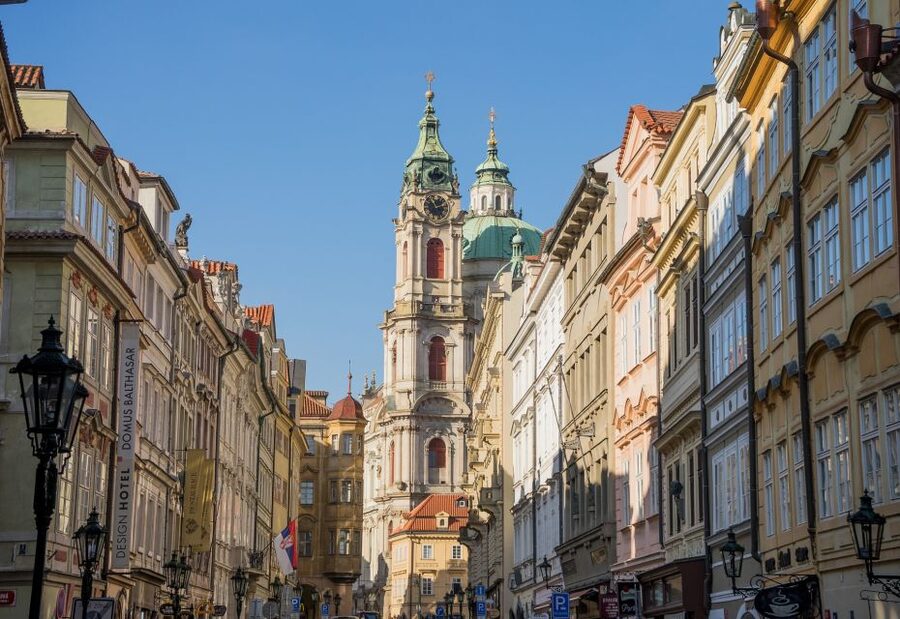
Prague’s streets carry more than pretty façades. On this 150-minute Spanish-language walk, you’ll follow the city’s story from Austro-Hungarian rule through two world wars, communism, and the Velvet Revolution. I like the mix of major political events and local legends, and I like that a certified guide such as María can give the past a human voice. The main consideration is that this is a walking tour in all weather, with transport and entrance fees left out.
I also appreciate the clear price of $24 per person, which is reasonable for two and a half hours with a professional guide. The route is wheelchair accessible, but you should still wear comfortable shoes and be ready for Prague’s streets, rain or shine.
Key points to know before you book
- A Spanish-speaking local perspective: Hear Prague’s story in Spanish from a live, certified guide rather than through an audio recording.
- A history-led walking route: The tour connects Austro-Hungarian rule, Czech nationalism, the world wars, communism, and the Velvet Revolution.
- Legends alongside politics: You’ll hear stories tied to Czech culture, not only a list of dates and rulers.
- Two and a half hours on foot: The length gives the guide time to explain the city without turning the outing into a full-day commitment.
- An accessible format: The activity is listed as wheelchair accessible, with comfortable shoes recommended for everyone.
- Simple meeting-point clue: Look for a guide carrying a navy blue umbrella or a sign with the Turistico logo.
Prague’s story begins on the street
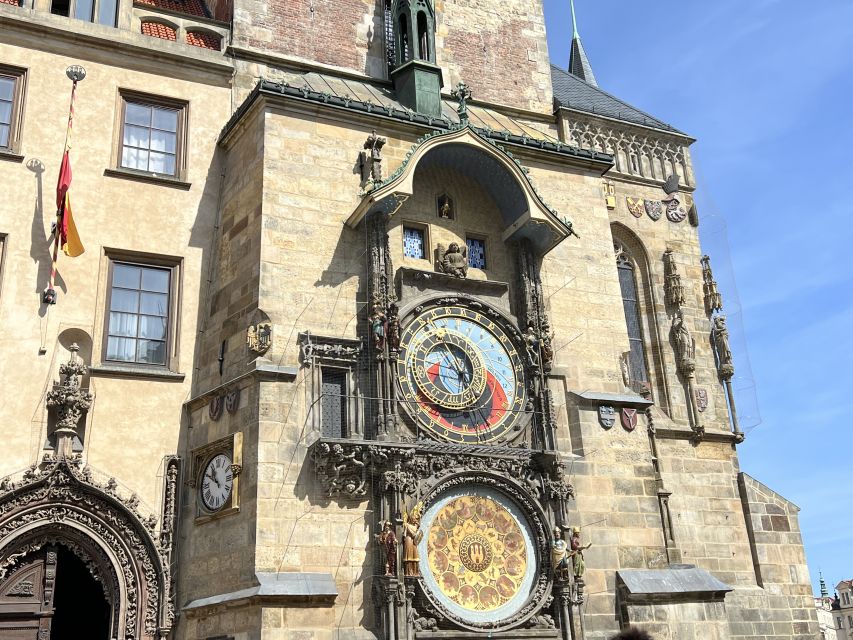
I like tours that explain why a city looks and feels the way it does. This one treats Prague as a living capital, not just a collection of old buildings. The city sits along the Vltava River, and its historic center has World Heritage status because of its beauty and importance.
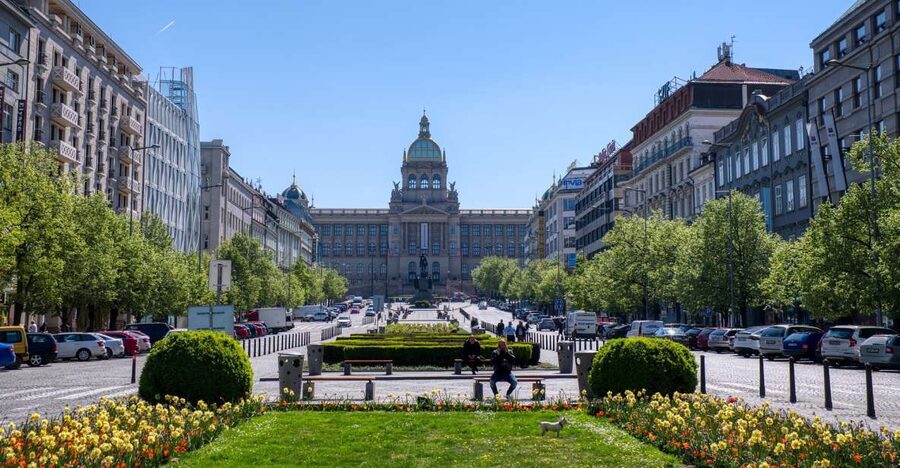
That setting matters. Prague’s old streets, towers, and public spaces make it easy to picture the city as a center of power, culture, and argument. As you walk, the guide can connect what you see with the forces that shaped it: imperial control, national identity, political upheaval, and cultural life.
The tour also brings in legends and stories about Czech culture. I find that useful because local tales often explain how people see their own city. You may not remember every date from the Austro-Hungarian period, but a good legend can make the past easier to picture and discuss.
This is not presented as a museum visit. It is a walking introduction to Prague itself. That means the city’s streets do much of the work, while the guide supplies the context.
Other Prague days people book alongside this one:
- Prague: 50-Minute Sightseeing Evening Cruise
★ 4.2 · 33,780 reviews - Prague: Medieval Dinner with Unlimited Drinks
★ 4.4 · 19,847 reviews - Prague: Skip-the-line Castle Ticket and Optional AudioGuide
★ 4.3 · 11,121 reviews
Austro-Hungarian Prague and the rise of Czech identity
One of the most useful parts of the tour is the explanation of Prague under Austro-Hungarian rule. The experience does not treat the empire as a remote chapter in a textbook. Instead, it shows how imperial domination affected Prague and helped shape the city’s political and cultural direction.
You’ll learn how Prague became a center of Czech nationalism. That is an important distinction. Prague was not only an administrative city within a large empire. It also became a place where Czech cultural and intellectual activity gathered strength.
I like this theme because it gives the city a stronger sense of purpose. Grand architecture can tell you that a place was important, but political history explains why people fought to define its language, culture, and future.
The guide also discusses the cultural and intellectual activity that grew around this period. The supplied details do not promise specific buildings, museums, or monuments, so I would not book this expecting inside visits or a fixed list of named sights. Instead, expect the guide to use Prague’s public spaces and streets to explain how the capital became a center of Czech life.
Legends, culture, and the city of a hundred spires
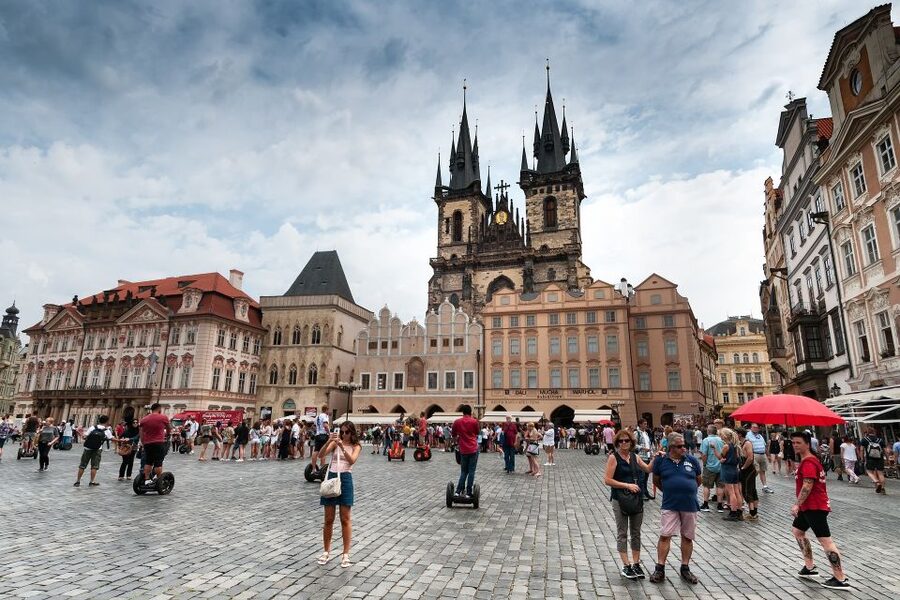
Prague is often called the city of a hundred spires, and this walk uses that familiar image as more than a postcard slogan. The pointed roofs, towers, and historic views help create a city that feels full of stories.
The legends are an important part of the experience. You’ll hear about Czech culture through fascinating tales, alongside the more serious account of government, war, and revolution. I like that balance. A tour made only of political history can feel heavy, while a tour made only of legends can leave you unsure how Prague became the city it is today.
Here, the two subjects should support each other. A legend gives you a sense of how Prague is remembered, while the historical discussion explains the pressures that changed it.
The city is also described as constantly evolving, with events and a strong modern life. That helps keep the walk from becoming a backward glance. You’ll get an introduction to Prague as a capital that continues to change, not a preserved set of streets sealed in the past.
War, communism, and the Velvet Revolution
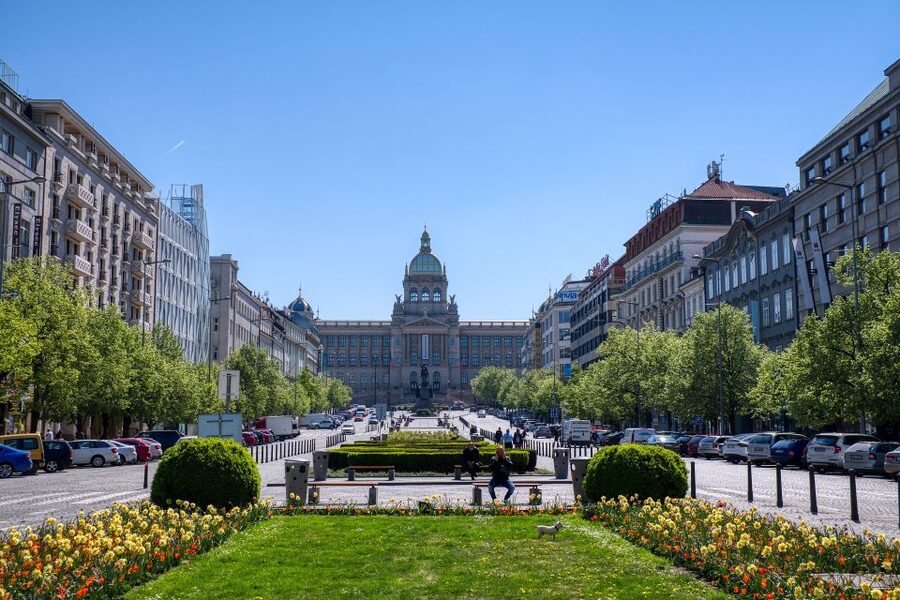
The twentieth century receives a large share of the tour’s attention. You’ll learn how the world wars affected Prague, then follow the city through the communist period and the Velvet Revolution.
That sequence is valuable because it shows how quickly the meaning of a city can change. Prague’s streets and public places were shaped not only by medieval and imperial history, but also by modern political conflict. The tour aims to explain how the city emerged from communism and how the Velvet Revolution marked a major turn in its story.
I especially like this part for first-time visitors who know Prague mainly for its historic center. The old buildings can make the city seem untouched by the twentieth century. This discussion corrects that impression and gives you a clearer view of the forces that shaped modern Czech society.
The information provided does not identify a specific monument where each event will be discussed. For that reason, you should see this as a broad historical walk rather than a specialist political tour. You’ll gain a clear framework for Prague’s modern past, but you should not expect an archive-based lecture or a museum program.
Same city, a completely different afternoon:
- Prague: Castle Tour with Local Guide and Entry Ticket
★ 4.6 · 10,422 reviews - Prague Castle 2.5-Hour Tour Including Admission Ticket
★ 4.7 · 8,927 reviews - Prague: Oldtown, Medieval Underground & Dungeon History Tour
★ 4.2 · 8,244 reviews - Prague: Vltava River Night Cruise with Buffet
★ 4.3 · 7,338 reviews
What the 150 minutes feel like
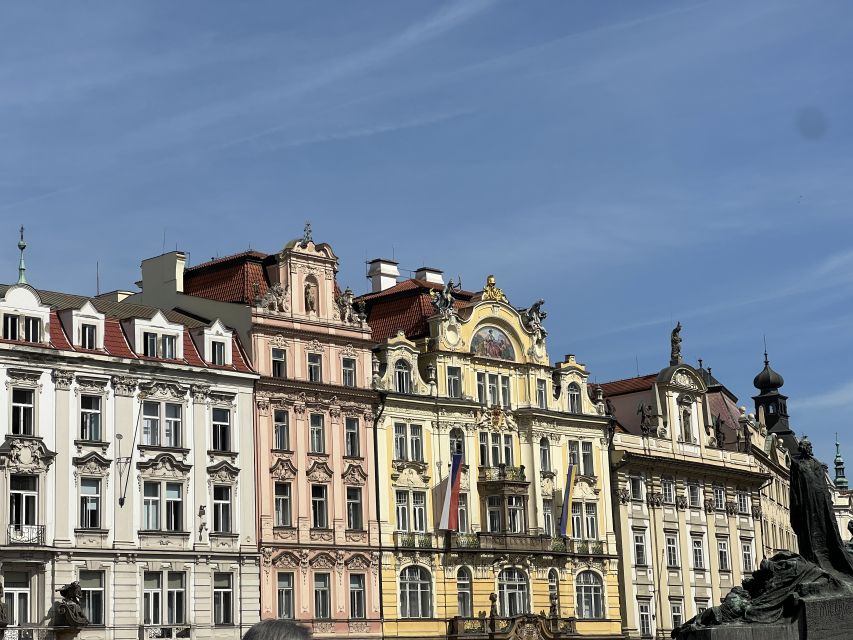
Two and a half hours is a useful length for a first look at Prague. It is long enough to move beyond quick facts, yet short enough to fit around meals, independent sightseeing, or another activity.
I would use this tour early in a Prague visit. The guide’s overview of the city’s political and cultural past can help you understand what you see afterward. You may also come away with a better sense of which parts of the city you want to explore at a slower pace.
The pace will depend on the group and the guide, but the format is clearly built around walking and conversation. There is no included transport, so you should plan to remain on foot for the experience. Entrance fees are not included either, which suggests that the value lies in the guide’s explanation and the outdoor route rather than in paid attractions.
The tour takes place rain or shine. Pack or wear suitable clothing for the forecast, and choose shoes you can walk in comfortably. This is ordinary advice, but it matters more on a 150-minute route than it does on a short photo stop.
Spanish guidance and the human touch
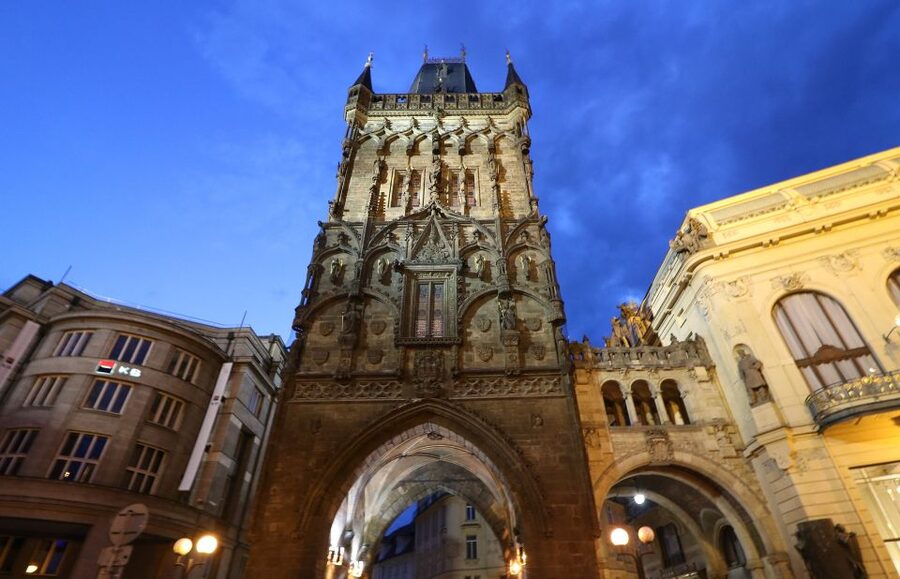
The live tour guide speaks Spanish, making this a strong choice for Spanish-speaking visitors who want more than a translated leaflet. A guide can adjust explanations, answer questions, and connect the city’s stories in a natural way.
María is specifically praised for her quick, attentive service. That does not guarantee that María will lead every departure, but it does give you a useful name to look for if she is assigned to your time. The listed rating is 5 out of 5 from three reviews, including a five-star booking from Alejandra in Mexico that singled out María’s attention and quick service. Viviane from the Czech Republic also gave the experience five stars and described it as wonderful.
The small number of reviews means I would keep the praise in proportion. Still, the comments point to the area that matters most on this kind of activity: the guide’s care and communication. A Spanish-speaking guide who keeps the group engaged can make a large difference when the subject covers several centuries.
What the price includes, and what it does not
At $24 per person, the tour offers a fairly direct value proposition. You are paying for 150 minutes with a professional, certified guide in Spanish. For a visitor who wants an organized introduction to Prague’s past, that is a sensible price.
The cost does not include transport or entrance fees. This keeps the base price clear, but you should remember that any paid attraction you visit separately will add to your day’s budget. The supplied details do not list admission stops, so I would not assume that a ticket to a castle, museum, church, or other site is part of the walk.
What you are buying is interpretation. The guide links Prague’s appearance and public life with the Austro-Hungarian period, Czech nationalism, the world wars, communism, and the Velvet Revolution. If you prefer independent wandering and do not need historical context, you may find the fee less useful. If you want the city explained in Spanish, the cost is easier to justify.
You can also reserve now and pay later, which helps if your schedule is still changing. Cancellation is free up to 24 hours before the activity for a full refund. Those terms reduce the risk of booking, especially when weather or a shifting itinerary may affect your plans.
Meeting the guide and preparing for the walk
The meeting point uses a simple visual clue: look for a person carrying a navy blue umbrella or a sign with the Turistico logo. That is more practical than relying only on a street address, especially in a busy central area.
I would arrive with enough time to find the guide without rushing. Keep your phone charged and have the booking details available, but the key thing is spotting the umbrella or logo.
Comfortable shoes are the most important preparation. The tour runs in all weather, so check the forecast and bring suitable rain protection if needed. Since transport is not included, you should also plan on walking between the places discussed.
The activity is listed as wheelchair accessible. That is useful information, but street conditions and the exact route can still affect comfort. If you use a wheelchair, it is sensible to confirm the day’s meeting details and route with the provider before setting out.
Who will get the most from this tour?
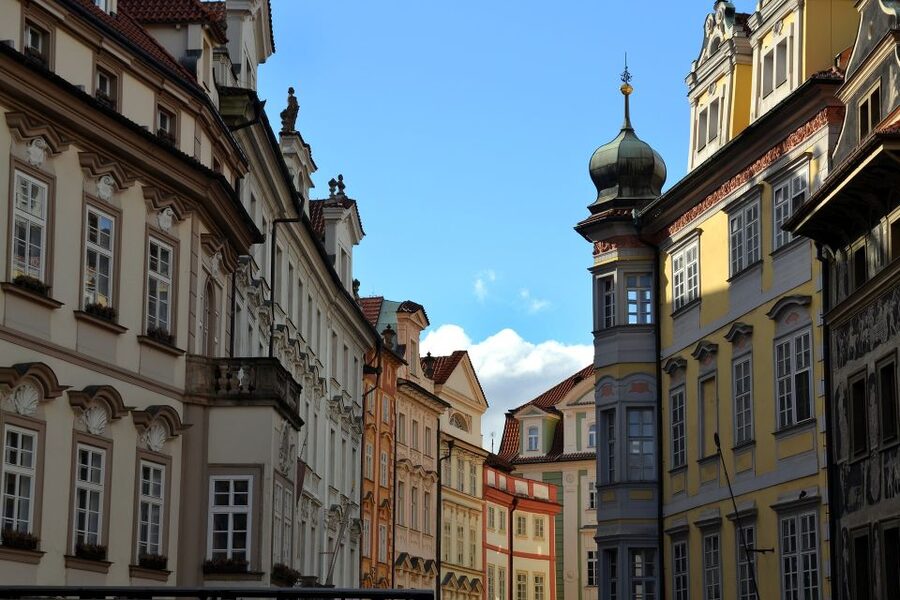
I would recommend this walk to Spanish-speaking visitors who want a broad introduction to Prague’s identity. It suits first-time visitors especially well because it covers the city’s imperial past, national awakening, modern conflicts, and current life in one sitting.
It also works for travelers who enjoy stories. The legends and cultural material keep the tour from becoming a string of political explanations. You’ll get both the formal account of Prague and the kind of local storytelling that makes a place easier to remember.
The experience may be less suitable if you want detailed access to interiors, a tightly specified list of monuments, or a specialist tour focused on one era. No transport or entrance fees are included, and the available description emphasizes the overall story of Prague rather than a set of admission-based attractions.
Families and mixed-age groups may appreciate the range of subjects, though the 150-minute walking length should be considered. Anyone who dislikes walking in uncertain weather should also think carefully before booking.
Should you book the Prague Tour in Spanish?
Book it if you want Prague explained in Spanish through a mix of history, legends, and modern political change. The strongest reasons are the 150-minute length, the certified guide, the focus on Czech identity, and the chance to understand how the city moved from imperial rule through communism to the Velvet Revolution.
The $24 price is fair for a guided city introduction, especially if you place it near the start of your visit. Just remember that transport and entrance fees are extra, the walk continues in rain or shine, and the itinerary is thematic rather than a guaranteed list of specific indoor sights.
If those conditions suit you, this is a practical way to get your bearings in Prague while hearing the city’s past in Spanish. Look for the navy blue umbrella, wear good shoes, and let the streets provide the setting.
FAQ
How long does the Prague Tour in Spanish last?
The tour lasts 150 minutes, or two and a half hours.
What language is the tour conducted in?
The live tour guide speaks Spanish.
How much does the tour cost?
The listed price is $24 per person.
Is transportation included?
No. Transportation is not included in the tour price.
Are entrance fees included?
No. Entrance fees are not included.
Where do I find the guide?
Look for a person carrying a navy blue umbrella or a sign with the Turistico logo.
Can I cancel the booking for a refund?
Yes. You can cancel up to 24 hours in advance for a full refund.
Just added around Prague
- Prague: Historical Walking Tour with Focus on World War 2★ 4.3 · 12 reviews
- WWII and Communism History in Prague’s Old Town Private Tour★ 5.0 · 4 reviews
- World War II 4WD Tour from Prague with Lunch★ 4.4 · 3 reviews
- Unique salt cave in Prague★ 4.9 · 10 reviews
- Walking tour of Prague in French : Nové Město★ 4.9 · 16 reviews
- Walking tour of Prague in french: Old Town & Charles Bridge★ 4.9 · 62 reviews
- Prague: Market Tour and Traditional Czech Cooking Class★ 4.7 · 19 reviews
- Ultimate Unlimited Beer Pong with Czech Beer★ 4.6 · 5 reviews