
Reviewed · MUSEUMS
Prague: Tickets for the Franz Kafka Museum
Kafka’s Prague comes into focus through original letters, diaries, manuscripts, and photographs, then takes a stranger turn with 3-D displays, audiovisual work, and a purpose-built soundtrack. The museum connects the writer’s life to the city where he was born and lived from 1883 to 1924.
I like the short English briefing because it gives you a starting point without trapping you in a long guided tour. I also like the freedom to set your own pace among the first editions and personal papers. The catch is size: the museum is quite small, and crowded rooms can make it hard to study every display calmly.
Key points to know before you go
- Meet under the yellow umbrella: Find the English-speaking host outside the museum, receive your ticket, and get a 20-minute introduction.
- Explore independently afterward: The guide does not accompany you through the museum.
- See Kafka’s personal world: Displays include letters, diaries, manuscripts, drawings, photographs, and first editions.
- Expect an unusual presentation: 3-D installations, audiovisual pieces, and a specially created soundtrack give the visit a moody edge.
- Allow for a small, crowded museum: Some photographs may have limited explanation, so the experience rewards visitors who already know a little about Kafka.
- The price is $28 per person: That is fair if you value the briefing and multimedia presentation, but less attractive if you want a long, fully guided museum visit.
Starting with Kafka in the city where he lived
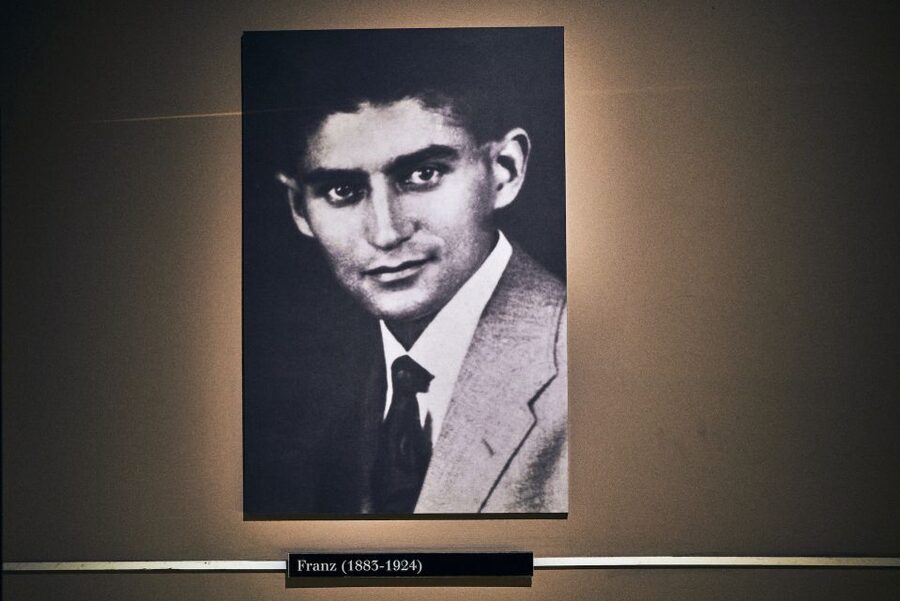
Franz Kafka was born in Prague, and this museum places his writing inside that setting rather than treating him as a name floating in a literature textbook. You begin with the man, his working life, and the materials he left behind.
That matters because Kafka’s writing can feel sealed off from ordinary life. His stories are strange, anxious, and often hard to pin down. Seeing his handwriting, photographs, letters, and drawings gives you a more direct connection to the person behind the famous books.
The visit covers Kafka’s lifetime from 1883 to 1924. You are not simply looking at framed text. The displays bring together first editions of his works with personal documents, giving you a chance to compare the public writer with the private individual.
If you know little about Kafka, the opening introduction is especially useful. The host gives you context before you enter, so you are not left to guess why certain objects matter. Since the guide leaves after the briefing, listen closely and ask any questions you have at the meeting point.
More museums and galleries in Prague:
- Prague: Museum of Fantastic Illusions Entry Ticket
★ 4.3 · 4,337 reviews - IAM Illusion Art Museum Entry Ticket
★ 4.2 · 1,664 reviews - Prague: Museum of Senses Admission Ticket
★ 4.0 · 1,445 reviews
The 20-minute introduction outside the museum
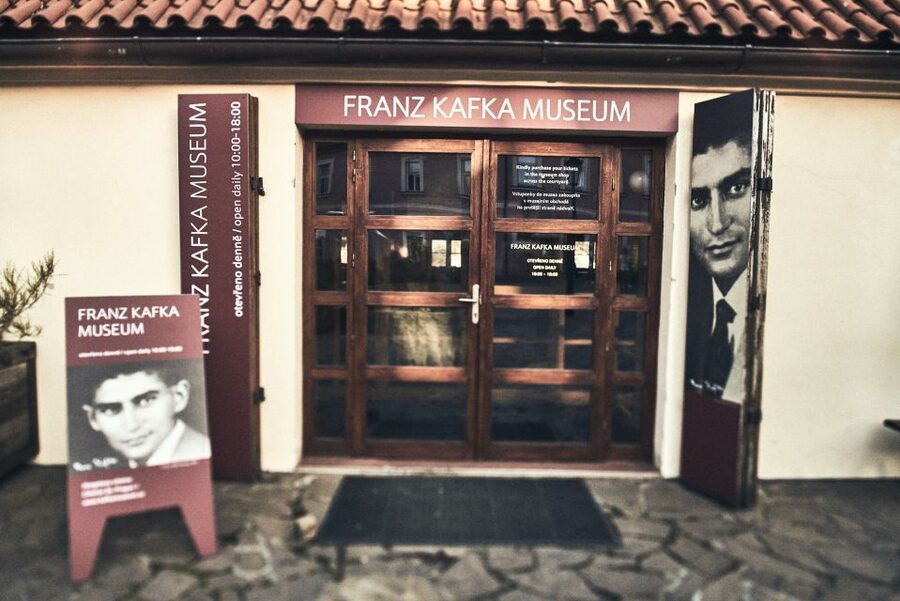
The practical design of this experience is simple. You meet an English-speaking host outside the Franz Kafka Museum, identify the person holding a yellow umbrella, receive your museum ticket, and listen to a 20-minute explanation.
This is not a guided tour through every room. Think of it as a quick orientation. You get the basic story, learn what the museum focuses on, and then continue alone.
I like this arrangement for visitors who dislike being hurried from display to display. You can pause over a manuscript, move quickly past a photograph, or return to an installation without waiting for a group. It also keeps the visit flexible within the day.
The tradeoff is just as clear. You will not have a guide beside you to explain an unclear photograph or answer a question that comes to mind halfway through the exhibition. The quality of your visit depends partly on how much attention you give the initial briefing.
There is no guide name provided for this experience, so look for the yellow umbrella rather than a specific person. English is the stated language for the host and introduction.
Original papers, first editions, and the private Kafka
The museum’s strongest material is its collection of Kafka’s own work and personal records. You can see first editions, letters, diaries, manuscripts, photographs, and drawings.
For me, manuscripts are often the most revealing part of a literary museum. A printed book can feel finished and distant. A handwritten page shows the work in progress, with all its human uncertainty. Here, the papers help you think about Kafka as a working writer rather than only as the author of The Metamorphosis and other famous texts.
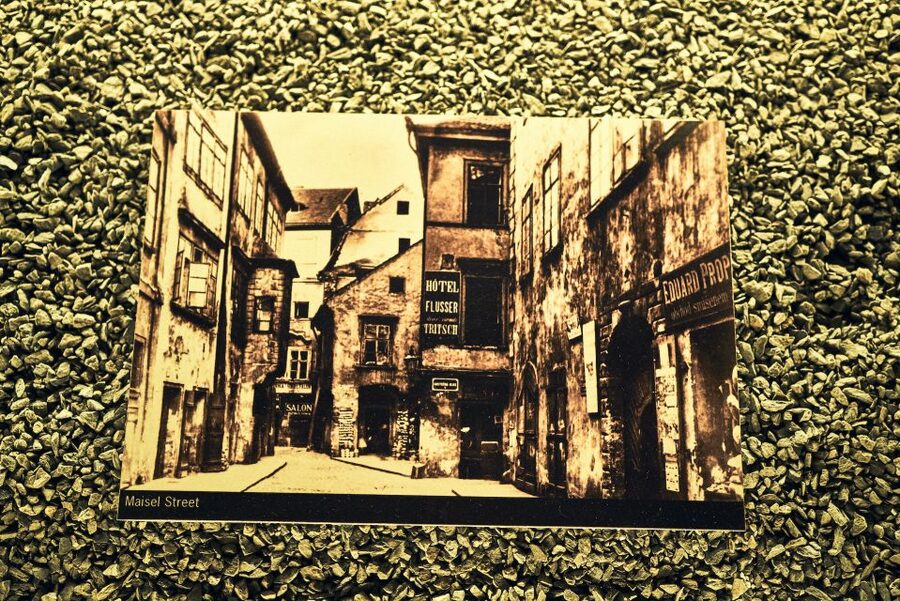
Letters and diaries add another layer. They can help you picture the writer’s concerns and daily life, although the museum does not turn every object into a long explanatory lesson. Some photographs have little information explaining how they connect to Kafka, which can leave you doing more of the detective work yourself.
That limited explanation is worth considering before you book. If you want every object clearly identified and tied to a detailed story, you may find parts of the exhibition frustrating. If you enjoy looking closely and forming your own impressions, the lack of heavy labeling can give the room a quieter, less scripted quality.
The first editions are particularly useful for readers who already know Kafka’s work. You can see how his writing was presented in its original form, then compare that physical object with the drafts and personal documents nearby.
3-D displays and the museum’s darker mood
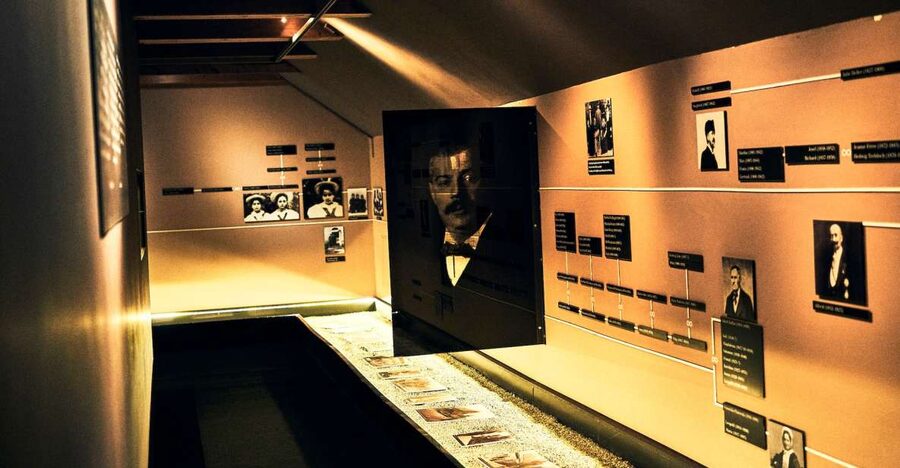
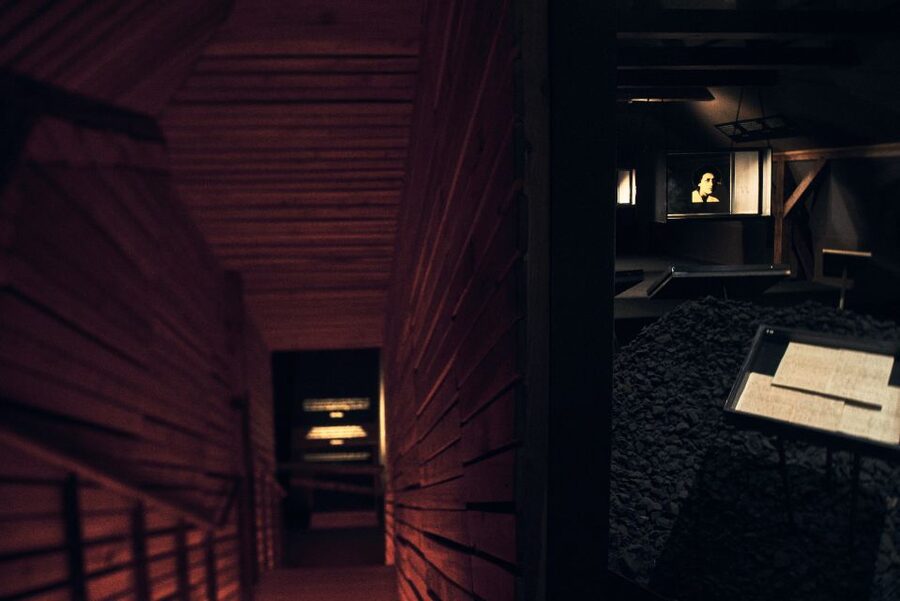
This is not a plain archive with glass cases and white walls. The exhibition uses 3-D installations, audiovisual pieces, and a custom soundtrack to create an atmosphere around Kafka’s work.
The multimedia approach suits the author’s uneasy reputation. Kafka’s stories are often associated with confusion, isolation, and strange systems that ordinary people cannot control. Visual and sound elements can make those ideas feel present in the room instead of leaving them on the page.
You should not expect a full theatrical production. The museum remains a compact literary exhibition, and the displays support the documents rather than replacing them. Still, the installations give the visit a stronger sensory character than a standard collection of framed pages.
This can be a plus if you want something more immediate than a traditional author museum. It can also be a drawback if you prefer quiet concentration. Sound and visual effects may compete with the papers you came to see, especially when the museum is crowded.
The best approach is to treat the multimedia pieces as a frame for Kafka’s world. Look at the documents first, then consider what the installations are trying to suggest. That keeps the experience grounded in the actual materials rather than in atmosphere alone.
More Prague tickets worth booking ahead:
- Prague: Skip-the-line Castle Ticket and Optional AudioGuide
★ 4.3 · 11,121 reviews - Prague: Castle Tour with Local Guide and Entry Ticket
★ 4.6 · 10,422 reviews - Prague Castle 2.5-Hour Tour Including Admission Ticket
★ 4.7 · 8,927 reviews - Prague: Old Town Hall Tower Entry Ticket
★ 4.5 · 6,749 reviews
A small museum with limited time and space
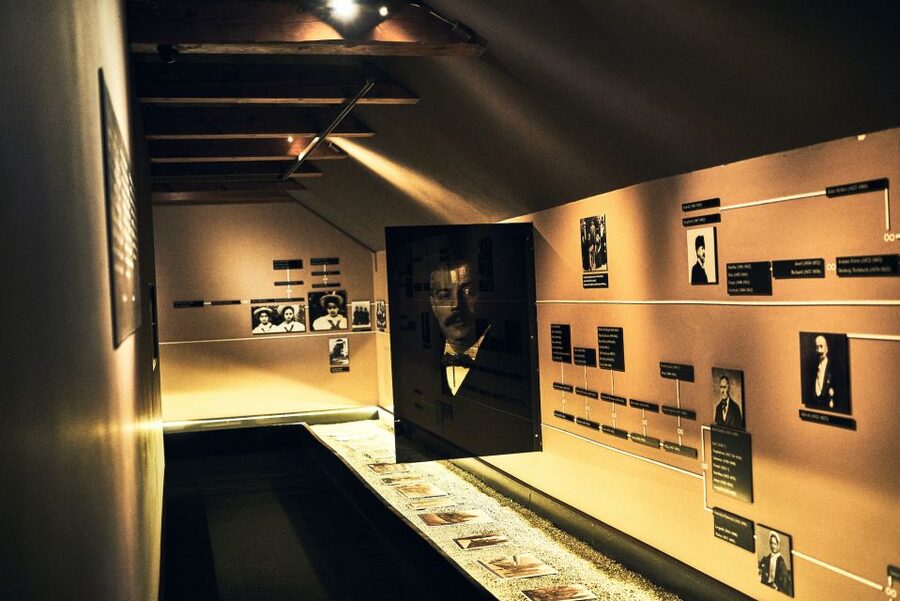
The museum is small. That fact shapes the whole visit.
You can cover it in a day, but the ticket does not mean you need an all-day program inside the building. A compact exhibition can be a good fit between other Prague sights, especially if you want a focused literary stop rather than a major museum complex.
Crowding is the main practical concern. When several people gather around photographs, manuscripts, or interactive displays, you may need to wait for a clear view. A crowded room also makes it harder to read material carefully and enjoy the soundtrack without distraction.
I would plan for patience rather than speed. Do not assume that a small museum will always be a quick museum. The space may be easy to walk through, yet the documents reward close attention.
The compact size also means you should set realistic expectations. You are not getting a vast biography of Kafka or a complete survey of every stage of his career. You are getting a concentrated presentation with a mix of objects, context, and mood.
Is $28 a fair price?
At $28 per person, this experience sits in the reasonable range if you want a ticket plus a short introduction in English. The fee pays for admission and the 20-minute briefing, not for a guide inside the exhibition.
The value depends on what kind of museum visit you prefer. If you are unfamiliar with Kafka, the briefing can make the material easier to follow. If you already know his life and work, you may place less value on the introduction and judge the ticket mainly by the collection and multimedia displays.
I would compare the price with your plan for the day. A short, focused museum stop can be worth $28 when you want a literary experience with little planning. It is less convincing if you expect a long guided tour, a large collection, or detailed explanations beside every object.
The reserve-now-and-pay-later option also helps if your Prague schedule is still taking shape. You can hold a place without paying immediately, and cancellation is available up to 24 hours in advance for a full refund. Check the available starting times before you commit, since the ticket is valid for one day rather than tied to a long multi-day program.
Who will get the most from this visit?
I would recommend this museum experience to:
- Readers who want to see Kafka’s original papers rather than only visit a general Prague attraction
- Visitors who like to explore alone after receiving a short orientation
- First-time Kafka readers who want basic context before seeing the exhibition
- People drawn to sound, visual work, and unusual museum presentation
- Anyone with a flexible day who can wait patiently if the rooms are crowded
I would be more cautious if you need a fully guided tour. The host leaves after the introduction, and you will not have a museum guide explaining every object.
I would also think twice if your main goal is a large collection. The exhibition is compact, and some photographs may not have enough explanation to satisfy visitors seeking a detailed biography.
Practical tips for a better visit
Find the yellow umbrella first. The meeting point is at the museum, but the identifying detail matters because the activity does not provide a named guide.
Arrive ready to listen for the full 20-minute introduction. Since the guide will not join you inside, this is your main chance to get background and ask for useful direction.
If you already know a Kafka story, keep it in mind as you walk through the displays. His writing gives you a lens for the objects, while the photographs, letters, and manuscripts can add a human side to work that often feels abstract.
Do not rush past the personal papers simply because the multimedia displays catch your eye. The strongest reason to visit is the combination of Kafka’s actual documents and the museum’s modern presentation.
If the rooms are crowded, take your time rather than trying to see everything at once. You may get more from a careful look at a few manuscripts and first editions than from a fast circuit of every object.
Finally, remember what you are buying: entrance and orientation, not a private guide. That simple distinction will prevent disappointment and help you judge the $28 price fairly.
Should you book the Franz Kafka Museum ticket?
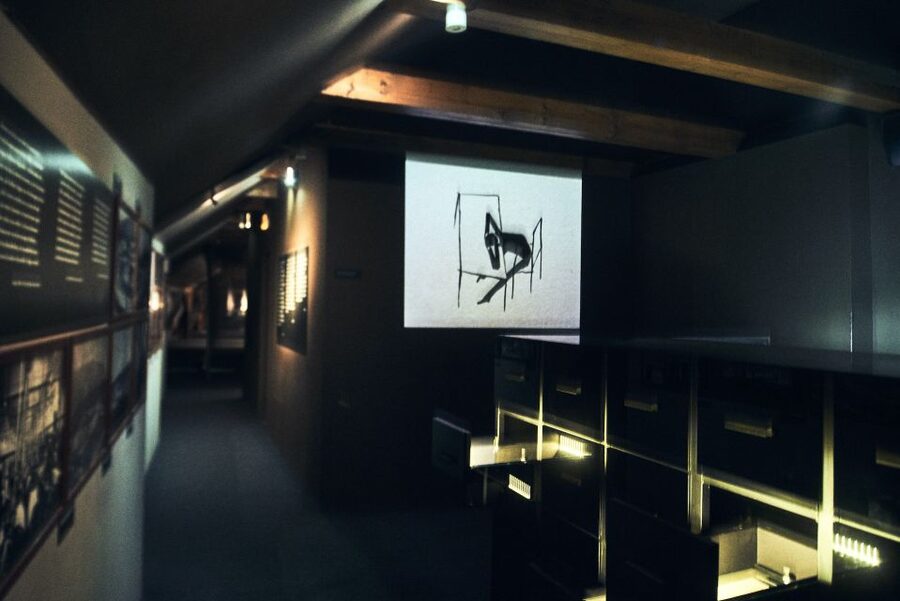
Book it if Kafka interests you, you value original literary material, and you prefer independent museum visits. The short English briefing gives you a useful starting point, while the letters, manuscripts, first editions, photographs, drawings, and audiovisual work offer several ways into Kafka’s life.
Skip it if you want a large museum, a long guided explanation, or detailed labels for every photograph. The small rooms can feel crowded, and some displays may require you to bring your own knowledge.
For the right visitor, this is a thoughtful Prague stop with a clear focus. Go for the personal papers and the link to Kafka’s life in the city. Enjoy the strange sound and visual work, but keep your expectations grounded: this is a compact, self-guided museum visit with a 20-minute introduction, not a full literary seminar.
FAQ
How long does the experience last?
The ticket is valid for one day. The included introduction lasts 20 minutes, and you then explore the museum independently at your own pace.
Is a guide included inside the museum?
No. The English-speaking host provides a 20-minute introduction outside the museum, then you enter and visit the exhibition on your own.
How do I find the host?
Look for the guide holding a yellow umbrella at the museum meeting point.
What language is the introduction in?
The host or greeter provides information in English.
What does the museum ticket include?
It includes entrance to the Franz Kafka Museum and the 20-minute guided introduction outside the museum.
Can I cancel the booking?
Yes. You can cancel up to 24 hours in advance for a full refund. You can also reserve now and pay later.
Just added around Prague
- Prague: Historical Walking Tour with Focus on World War 2★ 4.3 · 12 reviews
- WWII and Communism History in Prague’s Old Town Private Tour★ 5.0 · 4 reviews
- World War II 4WD Tour from Prague with Lunch★ 4.4 · 3 reviews
- Walking tour of Prague in French : Nové Město★ 4.9 · 16 reviews
- Walking tour of Prague in french: Old Town & Charles Bridge★ 4.9 · 62 reviews
- Unique salt cave in Prague★ 4.9 · 10 reviews
- Prague: Market Tour and Traditional Czech Cooking Class★ 4.7 · 19 reviews
- Ultimate Unlimited Beer Pong with Czech Beer★ 4.6 · 5 reviews
Museums, compared.
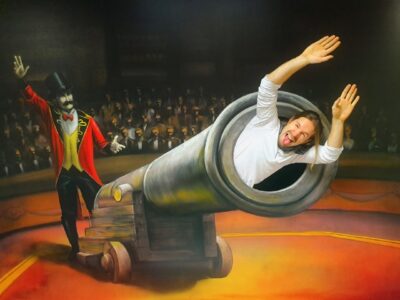
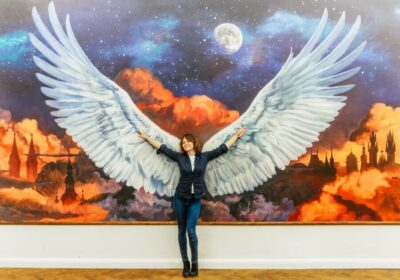

IAM Illusion Art Museum Prague Fast Pass Ticket
Read our review →
Ticket to Audiovisual Light Art at Lumia Gallery
Read our review →
Browse the lists this tour appears in