
Reviewed · PRAGUE CLASSICAL CONCERTS
Prague: Klementinum Mirror Chapel Classical Music Concert
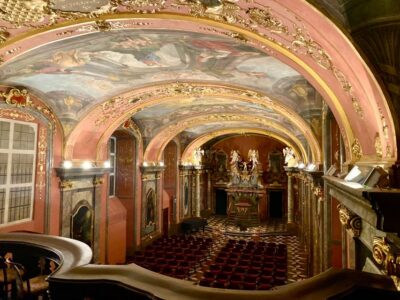
The best part of this concert is the setting. Prague’s Mirror Chapel is a Baroque showpiece of mirrors, marble, frescoes, gilded stucco, and paintings. You enter for music, but the room itself may be the evening’s main event. The chapel was built between 1722 and 1726 and is accessible through concerts or paid guided tours.
I like the one-hour format, which fits neatly into a busy Prague day, and I like the program’s broad reach: Smetana and Dvořák sit beside Vivaldi, Mozart, Bach, Bizet, Brahms, and Pachelbel. The main caution is temperature. The chapel is heated, yet one concertgoer found it extremely cold, so bring a warm layer even if the forecast looks mild.
Key points to know before booking
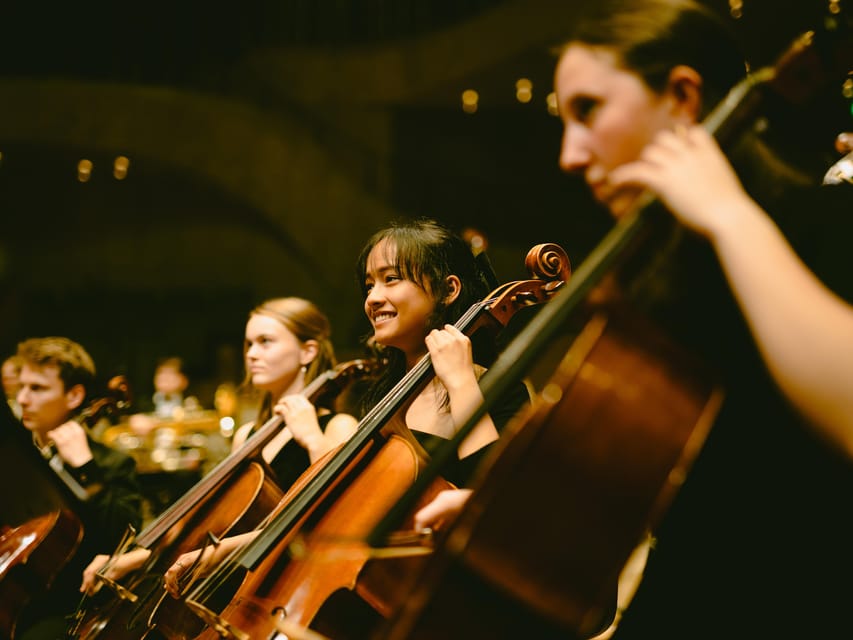
- Baroque setting: The Mirror Chapel’s marble, mirrors, frescoes, and gilded decoration frame the performance.
- Czech favorites included: Smetana’s Moldau, Dvořák’s Humoresque, and Slavonic Dance No. 8 are part of the program.
- One hour, no intermission: This is an easy concert to fit before dinner or after sightseeing.
- Open seating by category: VIP covers rows 1 to 6, Category A rows 7 to 11, and Category B rows 12 to 17.
- Warm clothing is wise: The venue is heated, but the room can still feel chilly.
- Central Old Town location: Meet at the front entrance of the Mirror Chapel, with the activity ending at the same place.
Why the Mirror Chapel matters more than the music list
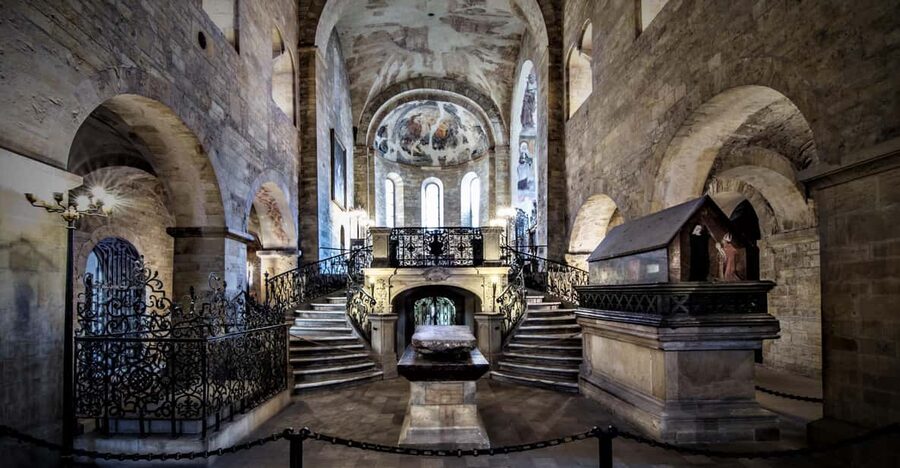
The Klementinum is one of Prague’s major historic complexes, but this concert focuses on one particular room. The Mirror Chapel was built in the early 18th century, from 1722 to 1726, during Prague’s Baroque period. František Maxmilián Kaňka and Kiliám Ignác Dietzenhofer are both considered possible architects.
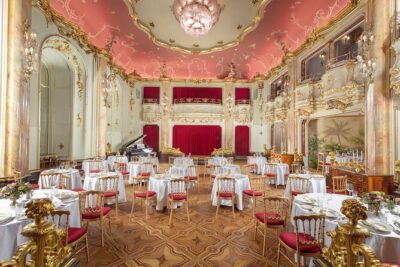
You do not need to know the difference between Baroque and Rococo to appreciate the room. The effect is immediate. Mirrors catch the light, gilded stucco fills the edges of the walls, and painted decoration competes for your attention with the musicians. Marble adds weight and formality, while the ceiling frescoes and paintings make the chapel feel far more elaborate than an ordinary concert hall.
I would arrive ready to look around before the music begins. This is not a plain room with a decorative backdrop. The interior is the reason this concert can feel special even to someone who is only mildly interested in classical music.
The chapel is available through concerts or paid guided tours, so the ticket gives you access to a part of the Klementinum that is not simply open for casual wandering. That matters if you want a short cultural experience with a clear focus instead of a longer museum visit.
More classical concerts in Prague:
- Prague: Entry Ticket Classical Concert at the Mirror Chapel
★ 4.7 · 4,636 reviews - Prague Castle: Midday Classical Concert at Lobkowicz Palace
★ 4.6 · 1,106 reviews - Prague: Classical Concert in the Spanish Synagogue
★ 4.7 · 1,104 reviews
A one-hour program built for variety
The program is a greatest-hits selection from Czech and international classical music. It does not follow one composer, one era, or one musical style. That variety is useful if you want recognizable melodies and a lively change of mood rather than a demanding, single-composer recital.
The Czech center of the program is Bedřich Smetana’s Moldau, the best-known movement from Má vlast. Antonín Dvořák appears with the Humoresque and Slavonic Dance No. 8. These pieces give the concert a clear local identity, which is especially fitting in Prague.
The rest of the selection moves widely:
- Bizet, with the Intermezzo and overture from Carmen
- Pachelbel, with Canon in D
- Bach, with Air
- Vivaldi, with the second movement from Winter and the complete Spring
- Mozart, with Divertimento in F
- Albinoni, with Adagio
- Brahms, with Hungarian Dances Nos. 6 and 5
You get familiar melodies rather than obscure material. Pachelbel’s Canon, Vivaldi’s Four Seasons, and music from Carmen should be easy to recognize, even if you do not normally attend concerts. The arrangement also gives you contrast: gentle slow movements, dance pieces, operatic drama, and brighter orchestral passages.
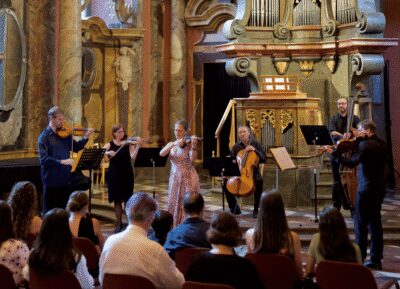
The listing calls the event a classical music concert, while a concertgoer described a string quintet and said a singer joined the players several times. That vocal element may not appear in every exact performance, so I would treat it as a possible addition rather than a guaranteed part of the program. Still, it can add useful visual and musical variety, especially from the rear rows.
There is no intermission. For some people, that is a plus. You can settle in, listen for an hour, and continue with your evening without giving up a large block of time. If you prefer a full-length concert with a pause, a longer program, or detailed introductions between pieces, this experience may feel brief.
What the acoustics and room do for the performance
The Mirror Chapel was not designed as a modern concert hall, and that is part of its appeal. The ornate interior gives the music a formal setting and helps create a sense of occasion. One concertgoer specifically found the acoustics excellent, even while criticizing the cold conditions.
That comment points to an important trade-off. The chapel’s sound can be appealing, but the room may not offer the same clear sightlines or comfort as a purpose-built auditorium. From the last row, you may have difficulty seeing the musicians clearly. If watching the players is important to you, seating category matters.
The music itself may carry the experience from the rear, but a singer or other performer on stage can provide something more to watch. That is one reason I would not choose the cheapest area automatically if you care about seeing the details of the performance.
The program’s familiar pieces also work well in a historic room. You can pay attention to the melody, the acoustics, and the decoration at the same time. A highly technical or unfamiliar program might demand more concentration, but this selection is designed for broad appeal.
Choosing between VIP, A, and B seating
Seating is open within each ticket category. The listed rows are:
- VIP: rows 1 to 6
- Category A: rows 7 to 11
- Category B: rows 12 to 17
This is not assigned-seat booking in the usual sense. Your category places you within a section, but the exact chair is open seating. If you want the best chance of sitting near the front within your category, arrive with enough time to find the entrance and get settled.
VIP is the sensible choice if you want to see the musicians clearly and care about the visual side of the performance. Category A should offer a middle position between proximity and price. Category B is the value option, but the rear rows may limit your view.
At $31 per person, the ticket is not just payment for an hour of music. You are also paying for entry to an ornate chapel that is otherwise available through concerts or paid tours. I think the price makes the most sense if you care about architecture and want a short evening activity in central Prague.
If you are judging the ticket only by the length of the music, you may find it expensive compared with a free church performance or a longer concert elsewhere. If the setting is part of the product for you, the calculation looks better. The room gives this event its character.
Same city, a completely different afternoon:
- Prague: 50-Minute Sightseeing Evening Cruise
★ 4.2 · 33,780 reviews - Prague: Medieval Dinner with Unlimited Drinks
★ 4.4 · 19,847 reviews - Prague: Skip-the-line Castle Ticket and Optional AudioGuide
★ 4.3 · 11,121 reviews - Prague: Castle Tour with Local Guide and Entry Ticket
★ 4.6 · 10,422 reviews
Finding the entrance in Old Town
The meeting point is at the front entrance of the Mirror Chapel. The supplied location identifies Marian Square 5 in Prague 1, Old Town. The meeting-point details also list Křižovnické náměstí 1040/4, so I would check the exact address shown with your booking before setting out.
This is a central location, but large historic complexes can be confusing when you are trying to find one particular door. Give yourself a little time rather than arriving at the final minute. Look for the Mirror Chapel entrance, not simply the largest entrance to the Klementinum complex.
The activity ends back at the meeting point. There is no transportation included, and food and drinks are not part of the ticket. Plan this as a compact stop within your own Old Town schedule.
Because the concert lasts one hour, it can work before an evening meal, between sightseeing stops, or as a calm break from Prague’s crowded streets. I would not build a tight connection around the exact end time, since entering a historic venue and getting seated can take a little patience.
Warm clothing is practical, even in a heated chapel
The venue is described as heated, but you are still advised to bring warm clothing. That advice deserves attention. One person found the chapel so cold that the musicians appeared to be performing in conditions near 25 degrees Fahrenheit, or minus 3.9 degrees Celsius.
That is an unusually strong complaint, and it may reflect a particular winter performance or room condition. Still, a sweater, scarf, or light coat costs little to carry and can save the evening. You can remove a layer if the room feels comfortable, but you cannot fix being cold once the music begins.
The cold is more than a comfort issue. String instruments can be sensitive to temperature, and the same concertgoer wondered how the players managed the conditions without harm to their instruments. The performance was still described as festive and expertly played, but you should know that comfort may vary.
The chapel is wheelchair accessible according to the activity information. Children under three are not suitable for the experience. Flash photography and video recording are not allowed, so plan to watch and listen rather than document the concert.
How the atmosphere feels during the concert
The atmosphere depends on the balance between the room, the music, and the audience. In the best case, you sit beneath the painted ceiling, the mirrors catch the warm interior light, and familiar music fills a small historic space. That combination gives the hour a ceremonial feel without requiring a formal evening out.
The program also helps keep the mood approachable. Vivaldi’s Spring and Winter, Mozart’s Divertimento in F, and Brahms’s Hungarian Dances provide recognizable changes in pace. Smetana and Dvořák add a strong Czech connection, while Bizet’s Carmen brings opera into the mix.
Do not expect a lecture about the composers or a guided tour of the entire Klementinum. The host or greeter speaks Czech or English, but the main purpose is the performance. If you want detailed architectural explanation, you would need to look at a paid guided tour instead.
I like this division of roles. You can read about the Klementinum separately and let the concert remain a simple sensory experience. The risk is that anyone expecting a full historical presentation may feel that the event offers too little information.
Who will get the most from this experience
I would recommend this concert to you if you want three things at once: a central Prague location, a short classical program, and access to a striking historic interior. It suits first-time visitors who want a cultural evening without committing to a full opera or a long symphony concert.
It is also a good choice for people traveling with mixed interests. One person can enjoy Smetana, Dvořák, and Vivaldi, while another can focus on the chapel’s mirrors, paintings, and gilded decoration. The broad program avoids the problem of a concert that appeals only to specialists.
The event may be less suitable if you need guaranteed close-up views, dislike open seating, or are very sensitive to cold. A Category B ticket may save money, but it can place you in the rear rows, where the musicians may be harder to see.
Families should note the age restriction. Children under three are not suitable, and the one-hour no-intermission format may work better for older children who can sit quietly. The setting is formal, so this is not a casual drop-in attraction.
The small-group option is worth considering if available. A smaller audience can make a historic room feel more intimate, though the information does not promise a small group for every departure. Check the available option when you choose a time.
Booking flexibility and useful planning details
You can cancel up to 24 hours in advance for a full refund. There is also a reserve-now-and-pay-later option, which helps if your Prague schedule is still changing.
Starting times vary, so check availability for the date you want. The duration is one hour, without an intermission. The concert is offered with Czech and English support.
The ticket includes admission to the classical concert. Transportation, food, and drinks are not included. Since the event is in central Old Town, you can arrange the rest of the evening yourself rather than relying on a tour transfer.
Remember the photography rules. Flash photography and video recording are prohibited. You can take in the room before and after the performance, but during the music you should keep your phone and camera put away.
Should you book the Mirror Chapel concert?
Book it if you value the combination of music and architecture more than a long concert program. The Mirror Chapel gives the hour a sense of place, and the selection covers Czech composers and familiar European classics. At $31, I consider it fair value when the historic setting is part of what you want to see.
Choose VIP or Category A if seeing the musicians matters to you. Category B can work if you mainly want the sound and the room, but rear-row visibility may be limited. Bring a warm layer, verify the entrance address, and allow a few minutes to find the chapel.
Skip it if you want a full concert hall experience, assigned seating, a detailed guide to the Klementinum, or guaranteed warm conditions. For everyone else, this is a compact and attractive way to pair Prague’s Baroque decoration with an hour of familiar classical music.
FAQ
Where does the concert take place?
The concert takes place in the Mirror Chapel of the Klementinum in Prague’s Old Town. The stated meeting point is at the front entrance of the chapel on Marian Square 5, Prague 1.
How long does the concert last?
The concert lasts one hour and has no intermission.
Which composers are included in the program?
The program includes Smetana, Dvořák, Bizet, Pachelbel, Bach, Vivaldi, Mozart, Albinoni, and Brahms.
Is the music limited to Czech composers?
No. The program combines Czech music, including Smetana and Dvořák, with works by composers from other European traditions.
What are the seating categories?
VIP includes open seating in rows 1 to 6. Category A includes rows 7 to 11, and Category B includes rows 12 to 17.
Is the Mirror Chapel heated?
The venue is described as heated, but you are still advised to bring warm clothing. One concertgoer found the chapel very cold, so an extra layer is sensible.
Is the concert wheelchair accessible?
Yes. The activity information states that the venue is wheelchair accessible.
Can I cancel the booking?
Yes. You can cancel up to 24 hours in advance for a full refund. A reserve-now-and-pay-later option is also available.
Just added around Prague
- Prague: Historical Walking Tour with Focus on World War 2★ 4.3 · 12 reviews
- WWII and Communism History in Prague’s Old Town Private Tour★ 5.0 · 4 reviews
- World War II 4WD Tour from Prague with Lunch★ 4.4 · 3 reviews
- Unique salt cave in Prague★ 4.9 · 10 reviews
- Walking tour of Prague in French : Nové Město★ 4.9 · 16 reviews
- Walking tour of Prague in french: Old Town & Charles Bridge★ 4.9 · 62 reviews
- Prague: Market Tour and Traditional Czech Cooking Class★ 4.7 · 19 reviews
- Ultimate Unlimited Beer Pong with Czech Beer★ 4.6 · 5 reviews
Prague Classical Concerts, compared.
Entry Ticket Classical Concert at the Mirror Chapel
Read our review →
Organ Concert in St Francis Church Admission Ticket
Read our review →Browse the lists this tour appears in